
The sweet, gentle aroma of basil leaves always brings a sense of relaxation and vitality to any space. When grown outdoors, basil blends into the natural rhythm of life, absorbing sunlight and wind, creating a lasting vitality and a richer flavor than ever.
Besides its lush green beauty, basil is a treasure trove of valuable nutrients, supporting health from within. Growing plants outdoors is a gardening process and a journey of deep connection with nature and yourself.
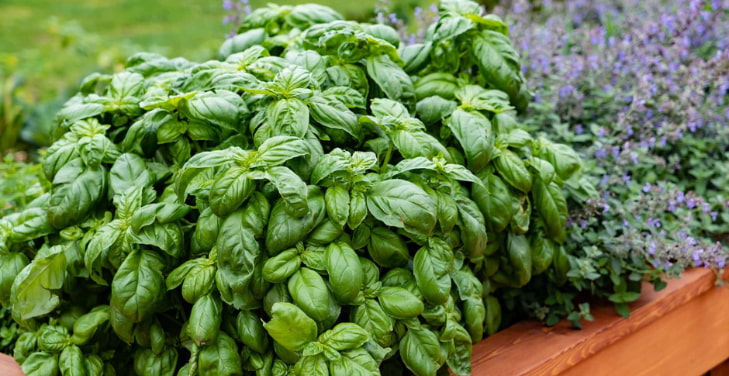
Regularly pinch off the top leaves to encourage bushy growth.
Why Grow Basil Outdoors?
Growing basil outdoors is more than just a convenience — it's the choice of those who understand the relationship between soil, sun, and flavor. When you plant your first seeds in the ground, you're giving your plant a special privilege: access to vital energy that can't be replicated artificially anywhere else.
More Intense Flavor
Under unobstructed sunlight, the essential oils in basil leaves reach a higher concentration, creating a rich, sharp aroma. The leaves are greener and richer in flavor and life — a sensory experience that indoor basil rarely achieves.
Wide canopy, thriving plant
Outdoors, basil has room to flourish. Air circulation and abundant light help the plant grow into a dense bush, not a limp one like when confined to a pot.
Fewer Pests When the Environment is Balanced
The natural outdoor ecosystem provides natural enemies to control pests. When the soil lives, the plants live — a biological cycle that protects each other.
Choosing the Right Basil Variety for Outdoor Growing
Choosing the right basil variety for outdoor growing is more than just picking a name from a list. Each variety has unique biological characteristics — fragrance, vigor, adaptability to soil, climate, and light — and choosing the wrong one can make or break an entire crop. However, choosing the right one matches soil and plant nature.
Genovese
A popular choice thanks to its large leaves, strong flavor, and distinctive Italian aroma. Suitable for temperate climates, the plant grows quickly and spreads widely.
Thai basil
With its light purple stems and strong herbal scent, this variety is especially suitable for places with long summers, warm soil, and high humidity.
Lemon basil
This variety has a faint lemon scent, creating a sense of purity. It is often less susceptible to insect damage, making it a great choice for organic gardens.
Purple basil
It is both beautiful and nutritious. Although it needs full sun to maintain its color, when grown properly, it makes a brilliant focal point in the garden.
When to Plant Basil Outdoors
When to plant basil outdoors is a delicate decision involving a blend of biological science and sensitivity to nature's rhythms. Basil, a tropical plant, must be planted when environmental conditions are warm and stable enough to trigger optimal growth and protect against cold shocks that can weaken or kill the plant.
Ideal Planting Season
Early spring to early summer, when soil and air temperatures gradually rise, is the ideal time to sow seeds or transplant seedlings outdoors. For effective root development, soil temperatures should generally be maintained above 10–15°C.
Avoid the Risk of Frost
Late spring frosts are a silent enemy that can kill young plants if planted too early. Determining the last frost date in your area will help growers avoid this unfortunate mistake.
Use a Climate Map and Planting Calendar
Consulting a climate map or a USDA zone-specific planting calendar will help you plan accurately, helping your basil grow sustainably and produce high yields.
Preparing the Outdoor Planting Area
Preparing the outdoor basil planting area is a fundamental step in determining the success or failure of the growth process. It is not simply a matter of tilling the soil or choosing a space but a harmonious combination of the plant's biological characteristics, soil structure, light source, and supporting microorganisms underground. A carefully prepared area is a solid launching pad for basil's vitality and outstanding development.
Choose a location with full light
Basil grows strongly when it receives 6 to 8 hours of direct sunlight each day, which helps the leaves synthesize maximum chlorophyll and characteristic aromatic essential oils.
Improving the soil
The soil must be loose, rich in nutrients, and well-drained but retain the necessary moisture. Adding organic fertilizer or composted manure will promote root development, creating a healthy biological environment.
Choosing between raised beds and direct planting
Raised beds help avoid waterlogging and effectively control weeds, while direct planting is suitable for large areas, making the most of ventilation and natural soil area.
This meticulous preparation is the foundation for basil's growth to be strong, healthy, and steady in the changing outdoor environment.
How to Plant Basil Outdoors
Growing basil outdoors requires meticulousness, patience, and a deep understanding of plant growth patterns to create a favorable environment. This helps the plant develop comprehensively from root to tip. Each step in this process is a key link, connecting the small sprout to the lush, green basil bush full of vitality in the vast nature.
Direct sowing
The technique of sowing seeds at the right depth, usually about 0.5–1 cm, along with a wide enough distance so that the plants do not compete for nutrients and light, is a decisive factor in allowing the seeds to germinate quickly and evenly. After sowing, cover the area with a thin layer of soil and keep it moist continuously to maintain a stable temperature and humidity for the seeds to grow.
Transferring seedlings to the garden
The "hardening off" stage is an important preparation step to help seedlings gradually adapt to the fluctuating outdoor environment, reducing the risk of heat shock or dehydration. Planting at a moderate depth, ensuring that the roots are covered with soil, with a distance of 15 to 20 cm between plants, creates conditions for a wide and airy canopy.
Intercropping techniques
Basil cooperates well with plants such as tomatoes, peppers, or marigolds, helping to limit pests and diseases and stimulate healthy growth while improving the efficiency of garden space use.
Care in each step of growing basil is the secret to the plant's achieving strong vitality and resilience. It also exudes a fragrant aroma, captivating nature and culinary lovers.
Caring for Basil Outdoors
Caring for basil outdoors is a delicate art, requiring a harmonious blend of agricultural science and a sense of the rhythms of nature. Every step, from watering to pruning, has a profound impact on the health and productivity of the plant — making the difference between a lush, green basil bush and a stunted, weak patch in the middle of a large garden.
Watering Properly
Basil prefers moist soil but avoids waterlogging; deep, intermittent watering promotes healthy root development while minimizing the risk of root rot and fungal diseases.
Fertilize Naturally
Using organic fertilizer or compost tea will provide a balanced source of nutrients, stimulating leaf growth and the distinctive aroma the plant craves.
Mulching and Weeding
Organic mulch retains moisture, reduces weeds, and regulates soil temperature — a key factor in keeping basil roots productive year-round.
Pruning and Harvesting
Regular pruning encourages branching and increases leaf density, delays flowering, extends harvest time, and maintains delicate flavor qualities.
Proper care is the key to keeping basil vibrant and green in changing outdoor climates.
Common Outdoor Basil Problems & Solutions
Growing and caring for basil outdoors is rarely smooth, as challenges from pests, the environment, and natural conditions are always waiting to cause difficulties. Understanding common problems and corresponding solutions will help growers proactively protect plants, maintain vitality, and achieve optimal productivity.
Common Pests
Insects such as aphids, caterpillars, and Japanese beetles often attack tender young leaves, reducing the plant's ability to photosynthesize and grow. Applying biological measures such as using Neem oil or garlic spray is an environmentally friendly choice while protecting the garden ecosystem.
Fungal and bacterial diseases
Downy mildew and fusarium wilt are dangerous diseases that cause leaf wilt and root rot, especially when humidity and temperature are not controlled. Effective preventive measures include crop rotation, improving drainage, and maintaining reasonable planting distances.
Coping with Environmental Stress
Too much sunlight or strong winds can cause wilting and reduce the plant's ability to absorb water. Using shade cloth or windbreaks will create favorable conditions for the plant to grow sustainably and healthily.
Smart care methods and deep knowledge are the keys to keeping your outdoor basil vibrant and fragrant all year round.
Harvesting and Maintaining Basil Plants
Harvesting and maintaining basil plants is a delicate balancing act between enjoying the fruits and protecting the plant's long-term vigor. A skillful harvest will allow you to enjoy the sweet aroma and encourage the plant to grow vigorously and persistently through many seasons, bringing the garden to life with its lush green color.
When and how to harvest
Pick leaves when the plant is mature and green before flowering to preserve the rich flavor. Cut just above the leaf node using sharp scissors to encourage branching and a wider canopy.
Pruning and preventing flowering
Regular pruning helps the plant concentrate its nutrients on the leaves, delaying flowering - a stage that reduces the quality and aroma of the leaves. This is the secret to maintaining a healthy, productive basil bush.
End-of-season storage
When the season is over, saving seeds or moving plants indoors to overwinter is a strategy to preserve the precious biological value of this herb, ensuring you always have a source of fresh material for the next crop.
Careful care and harvesting processes create the longevity of basil, both a source of natural inspiration and a gift of health for users.
Conclusion
Growing basil outdoors is an exciting journey that combines the science and art of plant care. The natural environment with sunlight, fresh air, and rich soil creates ideal conditions for basil to maximize its aroma and nutritional value.
Understanding the growth characteristics, choosing the right variety, and taking good care of it are the keys to achieving a bountiful harvest and healthy plants. Outdoor basil beautifies the garden and improves health through the valuable ingredients in the leaves.
Perseverance and dedication in each step will bring complete joy from harvesting fresh, fragrant basil leaves - a wonderful source of ingredients for a healthy and colorful life.
Frequently Asked Questions (FAQs)
- Can Basil Survive Outdoors All Year Round? – Basil is a tropical plant that is very sensitive to frost and deep cold. In temperate climates, it should be grown in the warm season and protected or brought indoors during winter.
- How often should basil be watered outdoors? – Water deeply and regularly, about 2–3 times a week, avoiding waterlogging. Sufficient moisture helps the roots grow healthy, and the leaves stay fresh, limiting diseases caused by excess water.
- How many hours of sunlight does basil need each day? – At least 6 hours of direct sunlight daily is necessary for the plant to photosynthesize effectively, synthesize essential oils, and develop a lush, delicious green canopy.
- Can basil be grown outdoors in pots? – It is possible if the pot is large enough, well-drained, and placed in a place with adequate light. Pay attention to watering and fertilizing so that the plant is not limited in nutrients.
- How can basil be prevented from blooming early? – Regularly prune the tops and young leaves so that the plant can concentrate its nutrients on the leaves. This prolongs the harvest time and helps the plant retain its delicious flavor for longer.
