
The common cold has always appeared as a biological paradox—simple in its cause, yet complex in how the body responds. Though a common virus, it can undermine overall health and disrupt daily life.
In the search for a solution, apple cider vinegar has emerged as a mysterious folk icon. From the kitchen to the herbal medicine cabinet, it promises to soothe, cleanse, and restore depleted bioenergy.
Its antibacterial, pH-regulating, and immune-supporting properties make it a go-to choice in countless healing lore.
→Explore natural strategies in our complete guide to fighting cold symptoms effectively.
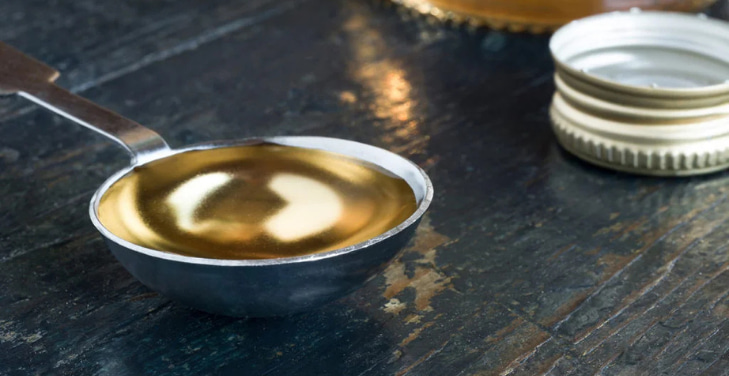
Apple cider vinegar is a popular natural remedy sometimes used for cold relief.
What Is Apple Cider Vinegar?
Apple cider vinegar results from a double fermentation process—first from apple juice to apple cider, then converted into acetic acid by acetic acid bacteria. Combining natural ingredients and biological processes creates a solution with a sour, amber flavor and diverse potential applications in traditional and modern medicine. For a long time, apple cider vinegar has not only existed in the kitchen but also crept into traditional treatments as a symbol of nature speaking out in health care.
Outstanding active ingredients
Acetic acid is the main ingredient, accounting for about 5%, creating a strong antibacterial environment. In addition, apple cider vinegar contains enzymes, amino acids, and small amounts of minerals such as potassium and magnesium—factors that support metabolism and homeostasis.
Traditional and Modern Uses
Apple cider vinegar has been used in many traditional medicine traditions, from its use as a digestive tonic and mouthwash to its use in skin care and cold relief. Today, it is being studied for its role in helping to lower blood sugar, control weight, and improve gut microbiota.
How Colds Affect the Body
A cold is a systemic response to the invasion of respiratory viruses, most commonly rhinoviruses. After penetrating through the nasal or throat mucosa, the virus activates the innate immune system, triggering a chain reaction of inflammation. The body initiates a high-intensity defense mechanism, creating a series of physiological and immunological manifestations to limit the pathogen's spread.
Causes due to viruses
Rhinoviruses account for a high proportion of common colds. They bind to the ICAM-1 receptor on nasal epithelial cells, multiply rapidly, and spread through secretions. The immune system recognizes viral proteins and releases cytokines, leading to characteristic symptoms.
Symptoms and progression
Nasal congestion, runny nose, cough, sore throat, and fatigue appear within 24–72 hours of infection. Body temperature increases slightly, and mucus secretion increases to trap and eliminate the virus. Mucosal inflammation causes pain and irritation.
Treatment is based on symptom control
There is no effective treatment to kill the cold virus; the main method is to reduce symptoms: rest, hydration, and immune support. Lifestyle modifications contribute to shortening recovery time.
Claimed Benefits of Apple Cider Vinegar for Colds
Apple cider vinegar has long been touted in folk medicine as a natural remedy for cold symptoms. Positive user feedback and some underlying biological theories have generated widespread interest in its potential role in modulating the immune response and clearing the respiratory tract. When the body fights a virus, apple cider vinegar's microbiological and chemical factors may help lighten the physiological burden.
Antibacterial Properties of Acetic Acid
The acetic acid in apple cider vinegar can inhibit the growth of bacteria that cause secondary infections in the throat and oral cavity. The acidic environment can reduce the pH of the mucosa, creating unfavorable conditions for bacterial growth.
Natural Immune Support
The beneficial probiotics (if unfiltered fermented apple cider vinegar) can positively impact the gut microbiome, indirectly improving overall immunity.
This mucus and soothes the throat
When diluted with warm water and honey, apple cider vinegar helps thin mucus, clear the throat, and relieve coughs or hoarseness.
What Science Says
Modern science approaches apple cider vinegar with a microscopic lens, aiming to separate each active ingredient and establish a connection between them and physiological responses. Although there is no clinical evidence to determine the direct therapeutic role of apple cider vinegar for colds, indirect data from many research fields have opened up reasonable biological hypotheses, creating a foundation for supporting applications.
Recognized antibacterial mechanism
In vitro studies have demonstrated that acetic acid can disrupt the cell membranes of many types of bacteria, including strains that cause pharyngitis. This mechanism reduces the risk of secondary infections during the cold stage, supporting maintaining a clean respiratory environment.
Effects on pH and mucosal environment
When diluted, apple cider vinegar creates a solution with a low pH, which contributes to changing the surface environment of the nasopharyngeal mucosa and thereby limiting the adhesion of bacteria and viruses.
Expert opinion considered
Medical experts rate apple cider vinegar as a supportive measure that can bring immediate comfort to patients, as long as it is used properly and in reasonable doses.
How to Use Apple Cider Vinegar for Cold Relief
Apple cider vinegar can be part of a cold relief strategy if used correctly, in the right dose and at the right time. The application does not stop at drinking but extends to mucosal contact methods to increase local effectiveness. Based on the principles of pH adjustment, antibacterial, and stimulating secretions, the forms of apple cider vinegar use have been maintained by the folk medicine community for many generations.
Drink diluted with warm water and honey
A tablespoon of apple cider vinegar mixed with 200 ml of warm water and a teaspoon of honey creates a solution that helps soothe the throat, reduce itching and burning sensations, and stimulate phlegm. This drink should be used after meals, 1-2 times daily.
Controlled gargling or gargling
Dilute apple cider vinegar in a 1:4 ratio with warm water, and gargle with it for 30 seconds to help clean the mucosa and limit bacterial accumulation.
Time of use and dosage limits
It should start when there are signs of a cold to have an early effect on the mucosal environment. It should be maintained for no more than two consecutive weeks to protect tooth enamel and throat mucosa.
Safety and Precautions
The use of apple cider vinegar in the treatment of colds should be accompanied by a correct understanding of its acidic properties and related biological effects. Although natural, apple cider vinegar is still a powerful active compound that can cause irritation or side effects if abused or misused. A full understanding of the safety limits is the foundation for taking advantage of the benefits without creating health risks.
Effects on tooth enamel and mucous membranes
Acetic acid can erode tooth enamel if used pure or regularly without rinsing the mouth afterwards. If directly exposed to the concentrated solution, the throat lining may be irritated, causing a burning sensation or prolonged hoarseness.
Subjects to consider carefully
Children under 12 years of age, people with stomach problems, esophageal ulcers, or those taking diuretics should consult a doctor before use.
Medical advice before long-term use
Long-term continuous use of apple cider vinegar should be under medical supervision to monitor systemic effects, especially on electrolytes, digestive enzymes, and liver and kidney function.
When to See a Doctor
The common cold is a self-limiting physiological response, but recovery is not always smooth. Some clinical manifestations may indicate serious progression or potential complications that require timely medical intervention. Recognizing the right time to see a doctor is a decisive action, contributing to protecting overall health and preventing unwanted consequences.
Unusually prolonged symptoms
A cold usually lasts 7–10 days. If symptoms such as a deep cough, sore throat, or nasal congestion persist after 2 weeks, evaluation is needed to rule out sinusitis, bronchitis, or secondary infection.
Systemic warning signs
A fever above 38.5°C lasting more than 3 days, chest pain, shortness of breath, rapid heartbeat, or blue lips are signs that require immediate medical attention. These may be signs of pneumonia, respiratory failure, or cardiovascular complications.
Risk for people with underlying medical conditions
People with diabetes, asthma, heart disease, or immunodeficiency should seek medical attention early if they develop any unusual symptoms during a cold.
Conclusion
Apple cider vinegar is a natural compound containing many bioactive substances that can help relieve cold symptoms. When used properly, it has a positive physiological effect on the respiratory, immune, and throat mucosa.
Incorporating apple cider vinegar into your home care regimen can be pleasant and make the recovery process easier. However, following safety principles and listening to your body's reaction during use is necessary.
→Discover how ginger supports your recovery in our Ginger Benefits for Cold and Flu guide.
Frequently Asked Questions About Apple Cider Vinegar and Colds
-
Does Apple Cider Vinegar Help with Colds?
Apple cider vinegar can help relieve cold symptoms thanks to its antibacterial properties, pH regulation, and mucus secretion stimulation. Still, it does not replace a specialist's diagnosis and treatment role. -
How many times a day can apple cider vinegar be used for colds?
Adults can use diluted apple cider vinegar 1 to 2 times a day, after main meals, to reduce stomach irritation and protect tooth enamel from the effects of acetic acid. -
When is the most effective time to drink apple cider vinegar for colds?
The ideal time is in the morning and afternoon, when the body needs immune support and soothes the throat lining. To limit the impact on the digestive system, avoid drinking on an empty stomach or right before bed. -
Does apple cider vinegar interact with cold medications?
Some cold medications contain ingredients that change the stomach environment or affect liver enzymes, which can interact indirectly with the acid from apple cider vinegar. Consult your doctor if you are taking prescription medications. -
Should children use apple cider vinegar for colds?
Children under 12 should not use apple cider vinegar due to the risk of irritation to mucous membranes and the difficulty in controlling safe dosages. Instead, prioritize appropriate treatments according to medical recommendations.
