
Have you ever wondered how a tiny flower bud could change the history of global cuisine and commerce? Cloves are living proof of nature's power when the right geographic and climatic conditions are met.
From distant tropical regions, cloves enter the modern kitchen with their warm aroma and distinct nutritional value. This spice connects the past, the present, and human health in each simple dried flower bud.
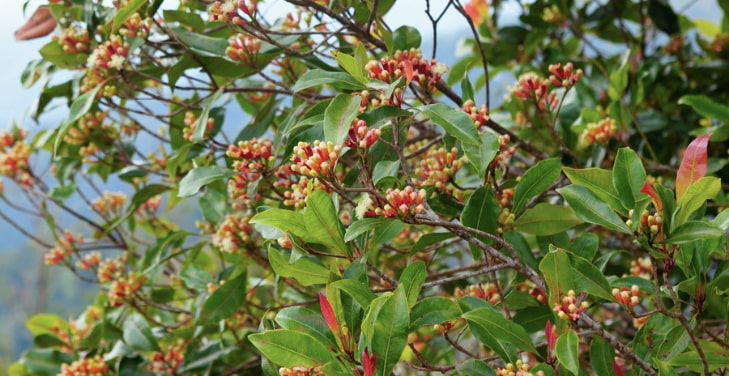
Where do cloves come from?
What Are Cloves?
Cloves are the dried flower buds of a tropical evergreen plant, harvested when young and processed using traditional drying methods. This spice possesses a warm, pungent aroma and a mild yet deep spiciness, leaving a distinct mark on cuisine and nutrition. Cloves are widely used in Asian and European culinary cultures and are considered a natural ingredient rich in biological value.
Botanical Nature
Botanically, cloves are unopened flower buds containing a high concentration of essential oils. Their compact structure helps preserve the aroma and active ingredients stably over time.
Nutritional Profile
Cloves provide powerful antioxidants, trace minerals, and natural phenolic compounds. These components support metabolism and maintain bodily balance.
Culinary and Health Value
In cooking, cloves enhance the depth of flavor in both savory and sweet dishes. In nutrition, this spice is used to aid digestion and improve overall health.
Where Do Cloves Come From Originally?
Cloves naturally originate in the Maluku Islands, also known as the "Spice Islands," located in what is now eastern Indonesia. This region boasts a stable humid tropical climate, abundant rainfall, and mineral-rich volcanic soil. These conditions create an ideal environment for cloves to grow and accumulate highly concentrated essential oils, giving them their characteristic warm, pungent aroma.
Native Region
The original homeland of cloves is linked to the Maluku Islands, where cloves have grown naturally for generations. Indigenous people used cloves in traditional rituals, cuisine, and healthcare.
Geographical Influence
The isolated location of Maluku helped cloves maintain their high value and consistent quality, fostering strong interest from ancient traders.
Cultural Roots
From Indonesia, cloves became an economic and cultural symbol, initiating their journey to spread throughout the world.
The Clove Tree: Syzygium aromaticum
Syzygium aromaticum is a tropical evergreen tree, the direct source of cloves, widely used in nutrition and cuisine. The tree grows slowly but steadily, reaching a height of 8–12 meters, with dense foliage and a characteristic dark green color. The value of the clove tree lies primarily in its flower buds, where essential oils and bioactive compounds accumulate.
Botanical Characteristics
The leaves are thick, glossy, and rich in oil glands. Flowers grow in clusters at the ends of branches, initially pale green and gradually turning pink before harvest.
Growth Lifecycle
Clove trees begin yielding fruit after a few years of growth. The regular flowering cycle helps maintain a stable supply of raw materials for spice production.
Nutritional Significance
From a nutritional perspective, Syzygium aromaticum flower buds contain high levels of natural antioxidants, contributing to the long-term health benefits of cloves.
How Cloves Are Grown and Harvested
Cloves are primarily grown in humid tropical regions, where the plant thrives for many years before yielding a stable harvest. Cultivation requires great patience, as clove plants need a long time to accumulate essential oils and nutrients in their flower buds. Each growth stage directly affects the quality of the finished spice.
Ideal Growing Conditions
Clove plants thrive in environments with stable temperatures, abundant rainfall, and mineral-rich soil. Natural sunlight helps activate the formation of aromatic compounds.
Cultivation Process
Farmers grow cloves from healthy seedlings and provide continuous care using traditional methods combined with local expertise.
Harvesting Timing
Flower buds are harvested when they are still tightly closed and have turned a pale pink color. This ensures a high essential oil content and a rich flavor.
Post-Harvest Handling
After harvesting, the flower buds are naturally air-dried, resulting in dark brown cloves with a distinctive aroma.
Countries That Produce Cloves Today
Cloves are now produced in many tropical countries where suitable natural conditions help maintain consistent quality and yield. Clove cultivation and export play a significant role in the agricultural economy and the global spice supply chain. Each production region has its own unique characteristics in terms of aroma and essential oil content.
Leading Producers
Indonesia holds the world's leading position in clove production, primarily serving both domestic consumption and export. This country maintains a long-standing cultivation tradition linked to its local climate.
African Powerhouses
Madagascar and Tanzania stand out in Africa for cloves with a strong aroma and uniform color, highly valued by the international market.
Other Notable Regions
Sri Lanka also contributes significantly to the global clove supply, thanks to its meticulous cultivation practices and nutrient-rich soil.
Global Market Role
The widespread distribution of production helps cloves maintain their position as one of the most valuable spices on the world market.
Historical Importance of Cloves
Throughout human history, cloves have held a special place due to their economic, medicinal, and ceremonial value. This spice was once considered a symbol of power and prosperity, appearing in ancient dynasties and major trade routes. Its strong aroma and wide range of applications quickly made cloves a sought-after commodity.
Ancient Medicine
In ancient China, cloves were used in court rituals and healthcare. According to traditional medicine, this spice helps freshen breath and aid digestion.
Spice Trade Era
During the spice trade, cloves were a highly valued commodity on trade routes between Asia and Europe. This movement fostered global cultural and economic exchange.
European Demand
In medieval Europe, cloves were used in cuisine, medicine, and food preservation, underscoring the strategic role of this precious spice.
Cultural Legacy
Throughout the centuries, cloves have maintained a lasting place in history and modern life.
How Cloves Spread Around the World
The spread of cloves is linked to ancient trade routes and the desire to control this rare spice. From its original origin, cloves quickly crossed the ocean, becoming a strategic commodity in international trade and profoundly influencing global cuisine and nutrition.
Maritime Trade Routes
Asian merchants brought cloves out of Indonesia via busy sea routes. This spice traveled by merchant ships to South Asia, the Middle East, and the African coast.
Regional Expansion
In India, cloves were integrated into traditional cuisine and medicine. In Tanzania, the clove plant quickly adapted to local conditions and became a major cultivation area.
European Arrival
When cloves arrived in Europe, this spice quickly became a symbol of luxury, spurring expeditions and expanding global trade.
Lasting Influence
This spread has helped cloves maintain a lasting presence in many culinary cultures today.
Why Cloves Thrive in Tropical Climates
Cloves thrive in tropical environments due to the natural compatibility between plant physiology and climatic conditions. Warm year-round temperatures, high humidity, and regular rainfall create an ideal environment for clove growth, allowing the accumulation of essential oils and bioactive compounds in the flower buds.
Stable Temperature
Stable temperatures help maintain continuous metabolic processes in cloves. This promotes the formation of a rich aroma and strong bud structure.
High Humidity
High air humidity supports foliage and root development. This environment allows the plant to absorb nutrients efficiently from the soil.
Rainfall Patterns
Evenly distributed rainfall throughout the year helps the soil retain moisture, nourishing the plant throughout its long growth cycle.
Soil Richness
Tropical soil rich in minerals enhances essential oil quality, giving cloves their distinctive value in nutrition and cuisine.
From Farm to Spice Rack: Processing Cloves
The journey of cloves from farm to spice rack involves many meticulous processing steps to preserve their aroma and nutritional value. Each step contributes to shaping the final quality of this familiar spice in our everyday kitchens.
Drying Process
After harvesting, the flower buds are dried in the sun for several days. This process reduces moisture, activates the concentration of essential oils, and creates the characteristic dark brown color.
Sorting and Grading
Dried cloves are sorted based on size, color, and integrity. Careful selection ensures uniformity in flavor and usability.
Storage and Packaging
The spice is stored in a cool, dry place to maintain its aroma for a long time. Airtight packaging helps cloves maintain their quality before distribution.
Consumer Use
Upon reaching the consumer, cloves are ready to serve as convenient and safe culinary and nutritional support.
Conclusion
Cloves have a long history of origin, nature, and nutritional value. From tiny tropical buds, this spice has become a familiar ingredient in global cuisine and healthcare.
The meticulous cultivation, harvesting, and processing methods help cloves retain their aroma, essential oils, and bioactive compounds. This explains why cloves are highly valued in modern nutrition.
To better understand the specific role of cloves in women's health, continue exploring the benefits of cloves for women.
Frequently Asked Questions (FAQs)
- Where do cloves come from? – Cloves originate from Indonesia’s Maluku Islands, where the tropical climate and fertile soil support clove cultivation and formed the foundation of the historic spice trade.
- What part of the plant are cloves? – Cloves are the unopened flower buds of the clove plant, harvested at the optimal stage to preserve their essential oils and aroma.
- Which country produces the most cloves today? – Indonesia leads global clove production, followed by Madagascar, Tanzania, and Sri Lanka.
- Why do cloves have such a strong aroma? – Their intense aroma comes from high levels of essential oils, especially phenolic compounds, which develop in tropical conditions and concentrate during drying.
- In what areas are cloves commonly used? – Cloves are widely used in cooking, beverages, and nutritional traditions, and they also appear in wellness applications that support digestion and physiological balance.
