
Turmeric and ginger tea have garnered widespread attention in modern health practices. Many nutrition experts acknowledge the enduring traditional value of the turmeric and ginger combination, associated with feelings of warmth and balance in the body.
Recent studies on the plant compounds in turmeric and ginger continue to be published in international nutrition journals. These data reinforce the role of herbal beverages in daily life and reflect a trend toward returning to natural choices with a long history of use.
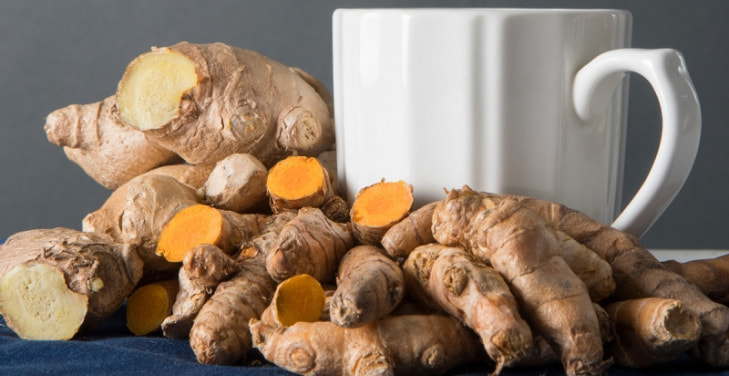
Turmeric and ginger tea combine two roots traditionally used for warmth and wellness.
What Is Turmeric and Ginger Tea
Turmeric and ginger tea is an herbal drink made from two familiar roots in Asian kitchens. This tea is often included in daily health routines, similar to the homemade ginger and turmeric tea many families use to create a warm and pleasant feeling.
Core Ingredients Explained
The main ingredients are fresh or dried turmeric and ginger. Turmeric provides its characteristic yellow color, while ginger adds a distinctly warm and spicy flavor. When combined, these two roots release a strong aroma and a rich tea color.
Common Preparation Style
Users usually slice or lightly crush the ingredients, then boil them with hot water for a few minutes. This method helps extract the natural essence while preserving characteristic flavors.
Everyday Wellness Drink
Turmeric and ginger tea are considered an everyday drink. Many people choose this beverage in the morning or evening to establish a stable routine and promote relaxation.
Traditional Use of Turmeric and Ginger Together
The combination of turmeric and ginger has a long history in the traditional lives of many cultures. Ancient people viewed these two roots as symbols of warmth, balance, and harmonious rhythm, from daily meals to simple handcrafted drinks.
Ancient Herbal Practices
In traditional Asian medicine, turmeric and ginger are often used together in the form of decoctions or warm teas. This practice is closely linked to family life, especially during seasonal changes. The drink is ritualistic, reflecting natural and regular self-care.
Cultural Daily Rituals
In many countries, turmeric-ginger tea is enjoyed early in the morning or after dinner. People maintain this habit as part of their traditional way of life. The warm, spicy flavor and rich color create a sense of familiarity, evoking a connection between food, culture, and long-term health.
Key Compounds Found in Turmeric and Ginger
Turmeric and ginger tea stand out for their rich blend of plant compounds. These natural compounds give this familiar beverage its color, aroma, and traditional uses.
Curcumin in Turmeric
Curcumin is the compound that gives turmeric its deep yellow color. This substance possesses remarkable biological properties and is often mentioned in traditional nutritional literature. When brewed, curcumin dissolves in hot water, imparting a distinctly warming sensation.
Gingerol and Shogaol
Ginger contains gingerol and shogaol, two compounds that create its characteristic pungent flavor. These substances release a strong aroma when heated, giving the tea depth in both smell and taste.
Natural Essential Oils
Both turmeric and ginger provide natural essential oils. This group of compounds creates a readily recognizable aroma experience from the very first sip.
Plant-Based Antioxidants
In addition to its main active ingredients, turmeric ginger tea also contains many plant-based antioxidants. These compounds contribute to the beverage's long-term value in daily life.
Turmeric and Ginger Tea Benefits
Turmeric and ginger tea are popular choices for many as part of their daily wellness routine. Its benefits include promoting a feeling of comfort, warmth, and balance in daily life.
Digestive Comfort
Many people drink turmeric and ginger tea after meals to soothe their digestive system. The warm, spicy aroma of ginger combined with turmeric helps the body feel more fluid and stable from within.
Warmth and Daily Balance
Turmeric and ginger tea provide a noticeable warming sensation. This drink is often associated with moments of relaxation, especially in the early morning or late evening, helping to maintain a regular daily rhythm.
Everyday Wellness Ritual
Drinking turmeric and ginger tea has become a familiar personal ritual. Many see it as a moment to slow down, connect with their body, and lay the foundation for a long-term healthy lifestyle.
Flavor Profile and Drinking Experience
Turmeric and ginger tea offer a distinct taste experience from the very first sip. This beverage impresses with its warm, spreading sensation, rich aroma, and depth of flavor, evoking the handcrafted and natural elements of each brewing step.
Taste and Aroma Layers
The mild spiciness of ginger appears first, quickly awakening the palate. Turmeric follows with its warm, earthy undertones and distinctive aroma. When blended in hot water, these two layers of flavor unfold into a well-rounded, clear, and easily recognizable sensation. The rising steam carries a warm, herbal aroma, creating a relaxing feeling when enjoyed slowly.
Mouthfeel and Aftertaste
When drunk, the tea creates a smooth and warm sensation in the throat. The aftertaste lingers moderately, leaving a pleasant and stable feeling. Many people enjoy this moment as a personal ritual, where taste and breathing slow down with each sip of tea.
Popular Variations of Turmeric and Ginger Tea
Turmeric and ginger tea boasts a versatile flavor profile, easily adaptable to many familiar variations in daily life. In traditional recipes, users often add natural ingredients to add personal touches and enhance the enjoyment.
Lemon-Infused Blend
Fresh lemon provides a bright aroma and a refreshing sensation. When combined with turmeric and ginger, the tea becomes more balanced, with a warm spiciness blending with a light sourness to create an overall easy-to-drink and distinct flavor.
Honey-Enhanced Tea
Honey is often added while the tea is still warm. The gentle sweetness spreads quickly, rounding out the flavor and creating a soothing sensation in the throat. This variation is popular among evening tea drinkers.
Herbal Pairings
Some people add cinnamon, lemongrass, or mint. These herbs expand the layers of aroma, making the tea richer and more flavorful.
Iced and Light Versions
On warm days, ginger turmeric tea is either allowed to cool or iced. This way of enjoying it offers a light, refreshing feeling and suits the modern lifestyle.
When People Commonly Drink Turmeric and Ginger Tea
Turmeric and ginger tea are often associated with times when the body needs warmth and a stable rhythm of life. This drink appears flexibly throughout the day, reflecting the personal habits and familiar contexts of many people.
Morning Start Ritual
Many people choose to drink turmeric and ginger tea in the morning. The warmth spreads quickly, helping the body wake up and feel ready for the new day. This moment usually unfolds slowly, combined with deep breathing and a quiet space.
After Meals Comfort
After meals, turmeric and ginger tea are used as part of a relaxation routine. The warm spiciness and herbal aroma provide a soothing feeling, helping to maintain comfort and balance in daily life.
Evening Wind-Down
In the evening, many people enjoy turmeric and ginger tea as a ritual to mark the end of a long day. A warm cup of tea supports a relaxed state, creating a sense of stability and comfort before resting.
Conclusion
Turmeric and ginger tea represent the intersection of tradition and modern lifestyle. This beverage carries a cultural story, distinctive flavors, and a familiar, warm feeling in daily life.
Enjoying turmeric and ginger tea reflects a trend towards returning to natural choices. Each cup of tea creates a moment of slowness, helping the body maintain a stable rhythm and a relaxed mind.
Turmeric and ginger tea thus become a familiar part of the journey towards sustainable health care.
Frequently Asked Questions (FAQs)
- What is turmeric and ginger tea? – Turmeric and ginger tea is an herbal drink made from turmeric and ginger roots. Together, they create a warm, spicy flavor, rich color, and a tea experience closely tied to daily routines.
- Why do many people drink turmeric and ginger tea regularly? – Many people enjoy this tea for its warm, pleasant feeling. Drinking it often becomes a relaxing habit that helps regulate and stabilize daily life.
- What does turmeric and ginger tea taste like? – The tea has mild spiciness, a distinct herbal aroma, and a lasting warm aftertaste. Ginger provides the initial warmth, while turmeric adds an earthy depth.
- When is the best time to drink turmeric and ginger tea? – It can be enjoyed in the morning, after meals, or in the evening. Each time offers a different experience, from energizing the start of the day to winding down at night.
- How can you customize turmeric and ginger tea? – Honey, lemon, or familiar herbs can be added to enrich the flavor, personalize the tea, and make daily enjoyment more flexible.
