
Tofu represents a modern nutritional trend in which foods both provide energy and help regulate physiological functions. This plant protein source is increasingly present in preventive nutrition and long-term health care guidelines.
The value of tofu lies not in its popularity but in its compact nutritional profile, ease of digestion, and suitability for many population groups. From lifestyle medicine to clinical nutrition, tofu plays a fundamental role in a balanced diet.
Can a simple soy food simultaneously support the cardiovascular, musculoskeletal, and energy metabolism?
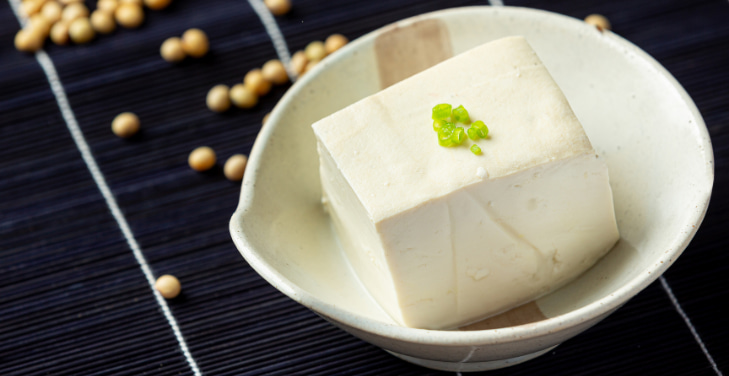
Tofu is a versatile plant-based protein offering valuable nutrients for everyday healthy eating.
What Is Tofu?
Tofu is a soybean-based food that is widely used in clinical nutrition and healthy diets. It provides high-quality plant protein, has a soft texture, is easy to digest, and is suitable for many population groups. In nutritional medicine, tofu is considered a foundation food for plant-based diets.
Definition
Tofu is a coagulated product of soybean milk, formed through protein precipitation. The coagulant usually contains calcium sulfate or magnesium chloride, which helps to create bulk and stabilize the structure.
Origin
Tofu originated in East Asia, first appearing in ancient Chinese cuisine. Over the centuries, this food has become a popular ingredient in Asian diets and has a strong presence in global nutrition.
Production Process
The tofu production process begins with soaking and grinding soybeans, then heating them to create soy milk. The coagulated protein forms a solid mass, which is pressed into cakes of varying firmness depending on the intended food use and desired nutritional value.
Nutritional Value of Tofu
Tofu has a high nutritional density and is suitable for the body's energy and metabolic needs. From a nutritional medicine perspective, this food supports nutrient balance, maintains muscle and bone function, and stabilizes the metabolic base thanks to its protein, healthy lipid, and essential micronutrient composition.
Macronutrients
Tofu is a complete protein, providing a full range of essential amino acids. The fat content is mainly unsaturated fatty acids, supporting lipid metabolism and cardiovascular function. The carbohydrates in tofu are low, facilitating better energy control in the diet.
Vitamins and Minerals
Tofu provides calcium, magnesium, phosphorus, and iron - important micronutrients for bone health and oxygen transport. B vitamins in tofu support the nervous system, energy production, and cellular metabolism.
Caloric Value
Each serving of tofu has a moderate energy level, suitable for weight control needs and maintaining daily physiological activities.
Health Benefits of Tofu
Tofu plays an important role in nutritional medicine due to its ability to support multiple organ systems simultaneously. This food has a positive impact on metabolism, body structure, and physiological function thanks to the harmonious combination of vegetable protein, micronutrients, and bioactive compounds.
Cardiovascular Health
Soy protein in tofu helps improve blood lipids and promotes stable circulation. Isoflavones contribute to the regulation of endothelial function and to the maintenance of vascular elasticity.
Bone Health
The calcium and magnesium content in tofu support bone density and mineralization. Regular intake helps maintain a strong bone structure and efficient mechanical function.
Weight Management
Tofu creates a feeling of fullness due to its high protein density. Protein digestion activates thermogenesis and supports daily energy intake control.
Metabolic Support
The essential amino acids and micronutrients in tofu support cellular metabolism, maintain muscle mass, and stabilize overall physiological function.
Tofu and Protein Quality
Tofu holds a special place in nutrition due to its high protein quality and ability to meet the body's physiological needs. In the context of modern medicine, tofu protein is highly valued for its role in tissue structure, maintenance of enzyme function, and support of overall metabolic balance.
Complete Protein Profile
Tofu provides a complete range of essential amino acids, including leucine, isoleucine, and valine, which play a key role in muscle protein synthesis and tissue repair. The soy protein structure supports stable bioavailability during digestion.
Biological Value
Tofu protein has high protein digestibility, facilitating effective absorption and cellular utilization. This contributes to the maintenance of muscle mass and long-term physiological function.
Metabolic Function
The amino acids in tofu help regulate energy metabolism, maintain nitrogen balance, and support the activity of hormones and neurotransmitters in the body.
Types of Tofu Explained
Tofu exists in a variety of textures, reflecting the degree of protein coagulation and water content during production. This diversity allows tofu to flexibly meet nutritional needs, improve digestibility, and be used in therapeutic diets and daily activities.
Silken Tofu
Silken tofu has a smooth texture, a high water content, and a fast rate of digestion. This form provides easily absorbed protein, suitable for sensitive digestive systems and liquid diets.
Soft and Firm Tofu
Soft tofu maintains a soft texture, aiding digestion, while firm and extra-firm tofu contain a higher protein density. These forms support muscle maintenance and increase physiological satiety.
Fermented Tofu
Fermented tofu undergoes fermentation, producing bioactive compounds and enzymes. This form of tofu supports digestive function, balances intestinal microflora, and increases micronutrient utilization.
How to Use Tofu in Everyday Meals
Tofu demonstrates great versatility in culinary medicine due to its ability to absorb flavor and adapt to many forms of preparation. Proper use of tofu helps optimize the biological value of protein, aids digestion, and maintains nutritional balance in daily meals.
Cooking Methods
Tofu is suitable for steaming, pan-frying, baking, and stewing. Moderate heating methods stabilize the protein structure and preserve essential micronutrients. Proper heat treatment increases digestibility and physiological palatability.
Preparation Tips
Cutting, juicing, and marinating tofu increases the nutrient density per serving. Combining tofu with green vegetables, healthy fats, and natural seasonings helps support the absorption of lipid-soluble vitamins.
Healthy Dishes
Tofu appears effectively in nutritious soups, light stir-fries, protein salads, and plant-based meals. These applications maintain dietary diversity and support whole-body metabolic function.
Potential Risks and Side Effects of Tofu
Tofu exerts a multifaceted effect on the body through its bioactive compounds. In nutritional medicine practice, identifying the associated physiological responses helps to personalize diets and optimize safe consumption. For a deeper look at the potential dangers of eating tofu, including health concerns and dietary considerations, a dedicated analysis provides further insight.
Soy Allergy
Soy protein in tofu can trigger an immune response in some individuals. This reaction involves IgE-mediated hypersensitivity, manifested through the skin, respiratory tract, and gastrointestinal tract upon food contact.
Isoflavones Activity
Tofu contains phytoestrogens belonging to the isoflavones group, which have biological activity on estrogen receptors. These compounds participate in endocrine regulation and influence physiological hormone balance.
Digestive Response
The oligosaccharide content in tofu stimulates the digestive system activity. The intestinal fermentation mechanism creates marked changes in intestinal motility and sensation in some individuals.
Dietary Moderation
Consuming tofu as part of a balanced diet helps maintain metabolic stability and meet individual nutritional needs.
Who Should and Should Not Eat Tofu
Tofu is suitable for many population groups due to its high nutritional value and wide physiological adaptability. In personalized medicine, identifying tofu users based on immune, endocrine, and digestive status helps to optimize nutritional efficiency and biosafety.
Suitable Groups
Tofu benefits adults on a plant-based diet, those who need to supplement easily digestible protein, and individuals aiming for cardiovascular health. Postmenopausal women and older adults benefit from calcium and isoflavones that support bone structure and metabolic balance.
Groups Requiring Caution
Individuals with soy protein sensitivities exhibit a pronounced immune response upon exposure to tofu. People with thyroid dysfunction or those adjusting to hormonal changes should use tofu under professional guidance to maintain endocrine stability.
Clinical Consideration
Assessing your personal health status helps you determine the right amount of tofu to include in your daily diet.
Conclusion
Tofu is a nutritious food with a high biological value and wide application in lifestyle medicine. Thanks to its complete protein profile, essential micronutrients, and bioactive compounds, tofu supports multiple organ systems simultaneously.
Reasonable consumption of tofu helps maintain cardiovascular function, a strong bone structure, and stable energy metabolism. The flexibility in processing helps tofu meet the diverse nutritional needs of many subjects.
When included in a balanced and individualized diet, tofu plays a sustainable role in a healthy diet, supporting quality of life and long-term health.
Frequently Asked Questions (FAQs)
- What is tofu? – Tofu is made from coagulated soy milk and offers complete plant protein plus essential micronutrients. It is easy to digest and supports tissue repair, energy metabolism, and dietary balance.
- Is tofu good for daily consumption? – Yes. When used as part of a balanced diet, tofu provides protein, calcium, and isoflavones that support muscle, bone, and cardiovascular functions, helping maintain stable metabolism.
- Does tofu contain complete protein? – Tofu contains all essential amino acids. Its soy protein is well absorbed and supports enzyme, hormone, and muscle synthesis, making it a high-quality protein choice.
- Is tofu considered a processed food? – Tofu is processed through a controlled method that stabilizes soy protein while preserving nutritional value. It remains a safe, nutrient-rich, and highly bioavailable food.
- Who benefits most from eating tofu? – Plant-based individuals, older adults, and people focused on heart health benefit most. Tofu’s digestible protein, calcium, and bioactive compounds support muscle mass, bone health, and overall well-being.
