
In a world where waistlines expand, and weight loss trends come and go, the secret to achieving and maintaining a healthy weight remains steadfast: a balanced diet. By embracing the power of nutrient-dense foods, portion control, and moderation, we unlock a realm of benefits, paving the way for sustainable weight management, improved metabolism, boundless energy, and reduced cravings. Prepare to embark on a culinary journey that will transform your waistline and your entire well-being.
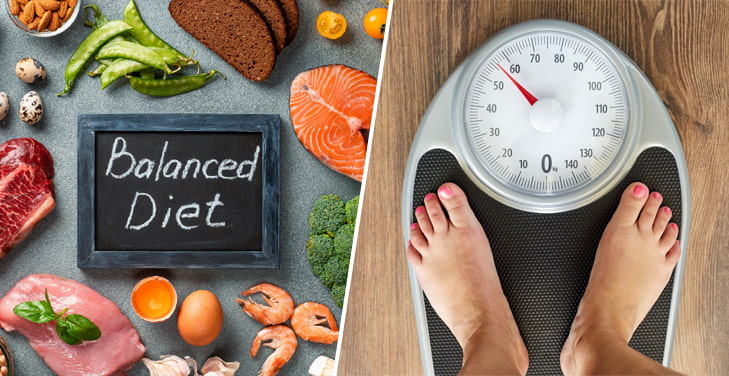
A balanced diet is the cornerstone of a healthy lifestyle, nourishing your body with a wide array of essential nutrients.
What is a Balanced Diet?
A balanced diet comprises the right proportions of minerals, vitamins, carbohydrates, fats, and proteins. It also includes a proper amount of water and dietary fiber. It reduces the risk of diseases, boosts immunity, and controls growth functions. It should be free of harmful elements such as excessive salt, added sugars, and unhealthy fats.
A healthy diet mixes fruits, vegetables, whole grains, dairy, meats, and fish. It should be low in sodium, added sugars, saturated and trans fats, and cholesterol. It is high in omega-3 fatty acids, fiber, and protein. It is also rich in various nutrients, particularly vitamins A, C, and E. It should also contain moderate amounts of calcium and iron.
It is recommended that people eat five portions of a variety of fruits and vegetables every day. These can be fresh, frozen, canned, or dried. A piece of apple, banana, pear, or three heaped tablespoons of any vegetable is a portion.
Avoid processed foods like frozen meals, fast food, and flavored yogurt. Instead, prepare most of your meals at home using unprocessed ingredients. Choose unrefined grains rather than refined white flour. Try adding whole grains to pasta, rice dishes, and soups. Replace frying with broiling or baking. Choose nonstick cookware to reduce the need for oil. Try to add a variety of colorful vegetables to your recipes. It will give your meals a lot of flavor and nutrition. Do not overeat fats, but don't shy away from them either. Healthy fats include olive oil, avocados, and certain nuts.
What is Weight Management?
"weight management" refers to techniques and behaviors that help people keep their weight healthy. It is preferred over "dieting," which conjures thoughts of short-term, unsustainable dietary restrictions or careless food intake. Most weight management techniques encompass long-term lifestyle strategies that promote healthy eating and regular physical activity.
A key component of most weight management programs is regular exercise, which can be done in many ways. Exercise burns calories and helps the body to replace fat with muscle. It also lowers emotional stress levels and enhances feelings of well-being. However, people should consult a doctor before beginning any new exercise program to ensure it is safe relative to any underlying health problems.
In addition to a healthy, reduced-calorie diet, most weight management programs include support systems to help patients stay motivated and on track. These systems can be as simple as joining a weight loss support group or more intensive, like an individual counseling session with a trained dietician. If lifestyle changes aren't enough, some doctors prescribe prescription medicines that work in different ways to help people lose weight. These medications may make you feel less hungry, reduce your appetite, or prevent fat absorption from food.
Benefits of a Balanced Diet For Weight Management
Weight Loss
A balanced diet is a critical component of weight loss. When paired with regular exercise, it can help you maintain a healthy weight and burn calories at the same time. When eating a balanced diet, avoid foods high in fat and sugar. Instead, choose low-fat dairy products and lean cuts of meat and fish. Also, choose unsaturated fats such as olive oil or nuts and limit fried foods and sugary drinks.
Reduced Cravings and Overeating
A balanced diet helps to reduce cravings for salty, sweet, or processed foods. This can be accomplished by replacing high-calorie, empty calories with foods rich in micronutrients and fiber.
Fill half your plate with veggies and fruits, preferably nonstarchy varieties like broccoli, carrots, tomatoes, mushrooms, squash, and leafy greens. Add a quarter plate of whole grains, such as brown rice, quinoa, and oats. Finally, add a lean source of protein and a small serving of dairy or plant oils.
Hunger and thirst can cause similar sensations, so drinking plenty of water may help to reduce your cravings. Food cravings can also be caused by stress or emotional eating, so reducing your stress and practicing mindful eating techniques can help.
Avoiding ultra-processed foods and preparing meals at home can also eliminate some of the spontaneity that leads to overeating and food cravings. Limit your added sugars, saturated fats, and sodium intake to prevent overeating.
Better Sleep
The foods you eat have a significant impact on how well you sleep. A healthful diet full of whole grains, lean protein, and fiber-rich fruits and vegetables can help you achieve a good night's sleep. Eating healthy fats like nuts, seeds, and low-fat dairy is also essential for better sleep. Avoid foods high in caffeine or sugar, making falling asleep harder and keeping you awake during the night.
Getting enough sleep is essential for your mental and physical health, including maintaining a healthy weight. Studies have shown that people who get less than seven hours of sleep per night tend to be heavier and have higher BMIs than those who get an average of eight hours each night.
Studies have also shown that poor sleep may increase appetite by stimulating hormones that regulate hunger and fullness. It is also thought that lack of sleep makes it harder to choose healthy foods and resist tempting snacks.
Aim for about seven to nine hours of sleep each night and eat a well-balanced diet consisting mainly of unrefined carbohydrates, lean proteins, and healthy fats. When you are hungry between meals, try to eat your meals earlier in the day and snack on fiber-rich, high-protein foods (such as an apple and a handful of unsalted nuts or low-fat yogurt with berries).
Better Mental Health
In addition to reducing risk factors for many health conditions, a balanced diet can help improve and maintain mental health. A healthy diet provides the energy to stay focused and cope with daily stressors. Choose nutrient-dense foods like fruits, vegetables, lean protein, whole grains, and nuts. Avoid processed snack foods, leading to sugar spikes and decreased energy levels. Ensure you're getting enough vitamins and minerals, such as folic acid, B vitamins, vitamin C, and omega-3 fats, which are crucial for good mental health.
Nutrition directly affects our mental and emotional well-being. Your gastrointestinal tract is home to billions of bacteria that influence the production of chemical substances that constantly carry messages from your gut to your brain. These chemicals, such as dopamine and serotonin, influence your mood. When these chemicals are produced properly, you will feel happier and calmer. Conversely, when the production goes awry, your mental state may reflect it.
While the connection between diet and mood is complex, some research suggests that a poor diet could contribute to depression and anxiety. For example, one study found that people who ate a typical Western diet high in fast food, salty snacks, desserts, and soft drinks became more depressed over time than those who followed a healthier Mediterranean-style diet.
Making simple food swaps is an excellent place to start improving your mood. For example, opt for a vegetable-filled salad with a side of hummus instead of eating a bag of chips. Another step is drinking water and limiting or eliminating processed beverages like soda and energy drinks. Lastly, try to eat mindfully, taking the time to enjoy each meal.
Better Energy
Eating well supports your energy levels, helping you get the kilojoules you need to carry out organized and incidental activities. Eat lower-energy-density foods (fruits, non-starchy vegetables, and broth-based soups) and less high-energy-density foods (crackers, chocolate, cookies, and butter). Eat mindfully – enjoy your food by noticing the colors, smells, and flavors, and stop eating when full. This helps prevent over-eating. Choose whole grains over refined carbohydrates for energy. Exercise regularly to burn additional energy.
Practical Tips For Incorporating a Balanced Diet
Eating a balanced diet helps maintain a healthy body weight, provides the energy you need for daily activities, and prevents diseases and health problems. A balanced diet includes the right proportions of carbohydrates, fats, proteins, and micronutrients like vitamins and minerals. It also contains water and liquids but avoids too much sugar or salty foods.
The exact composition of a healthy diet will vary according to personal needs, age, cultural context, and local foods. However, the basic principles are the same: eating various foods from the five groups.
Carbohydrates should make up about 50- 60% of the total diet. Eating various carbohydrate foods, including whole grains, bread, pasta and potatoes, fruits and vegetables, legumes (such as beans and lentils), nuts, and seeds, is essential.
Protein is essential for growth and development and should account for 10%-12% of the diet. It is recommended to include fish, poultry, eggs, milk, soy products, and other dairy and non-dairy protein sources.
The remaining 20% of the diet should be made up of fats. Eating a range of unsaturated fats, such as those found in vegetable oils, canola oil, nuts, and avocados, is essential. Eating some saturated fats, such as those found in red meat, full-fat dairy, and butter, is also beneficial.
A healthy, balanced diet can lower the risk of diabetes and heart disease. It can also lower blood pressure, reduce cholesterol levels and help manage weight. In addition, a balanced diet can help you feel more energetic and positively impact your mental health.
