
Red beans, also known as Phaseolus vulgaris, are those small kidney-shaped beans you've probably encountered in various dishes. They're a popular ingredient in many cuisines worldwide because they taste good and are good for you. Red beans offer protein, fiber, vitamins, and minerals. In this discussion, we will talk about what makes red beans nutritious, how they can benefit your health, any downsides you should know about, and some practical advice for cooking and enjoying them in your meals.
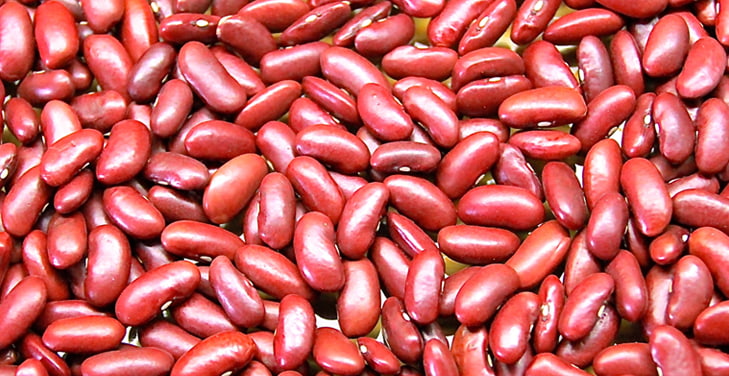
Red beans are a versatile legume often used in a variety of dishes, from soups and stews to salads and spreads.
What Are Red Beans?
Red beans and rice are one of the most iconic Creole dishes. They are traditionally made on Monday nights with leftovers from Sunday dinner. In some regions, meat is often added. The resulting dish is both nutritious and delicious. Here are some of the common meats used in red beans and rice.
Red beans contain high folate, which protects fetuses from congenital disabilities. These beans are also high in antioxidants, which don't appear in nutritional data but protect the body against the internal damage caused by free radicals. Free radicals are precursors to many chronic diseases. Some studies indicate that red beans contain 29 types of antioxidants.
Moreover, red beans are a popular staple of Caribbean and Creole cuisines. Their red skin and fleshy interior make them a versatile ingredient in various recipes. They are similar to kidney beans but have a much more nutty flavor. They are often combined with rice and chicken to create the classic Creole jambalaya.
Red beans can be stored for months or even years. To store them properly, soak them overnight before cooking. After cooking, you should store them in a dry place. Once dried, they will lose some of their flavor once dried, but they will go well.
Nutrition Facts of Red Beans
Red beans are only considered safe to consume after they have been cooked and are not recommended for consumption raw. Although the calorie content of red beans is not very high compared to other foods, they are high in protein and have significant nutritional value. As such, they form the basis of national cuisines across many cultures and are known for being rich in fiber, protein, vitamins, and minerals. Red beans also contain copper, zinc, potassium, iron, and amino acids.
Nutrition facts of 100 grams (3.5 ounces) of Red Beans:
- Calories: 333
- Fat: 0.8 g - 1% of the Daily Value (DV)
- Sodium: 24 mg - 1% of the DV
- Potassium: 1,406 mg - 40% of the DV
- Carbohydrates: 60 g - 20% of the DV
- Fiber: 25 g - 100% of the DV
- Sugar: 2.2 g
- Protein: 24 g - 48% of the DV
- Vitamin C: 7% of the DV
- Iron: 45% of the DV
- Vitamin B6: 20% of the DV
- Magnesium: 35% of the DV
- Calcium: 14% of the DV
Vitamins and Minerals
Red beans are a rich source of folate, an essential vitamin that promotes cell division and aids in DNA production. It also aids in energy production, so pregnant women are advised to eat extra folate. One cup of red beans contains 230 micrograms of folate, nearly half of women's recommended daily allowance (RDA).
In addition, red beans also contain a high level of fiber. This fiber content keeps you full for longer. They also contain a high amount of protein. Red beans also provide a steady level of energy. This allows you to feel full longer, which helps prevent fatigue. Red beans are an excellent choice for people with diabetes because they have a low GI, so they won't drastically affect blood sugar levels.
Red kidney beans are a great addition to any diet. Their firm texture and flavor make them a versatile ingredient for many dishes. They are also high in fiber, a healthy plant compound that can lower blood sugar levels. They are also high in antioxidants, which help protect your body against free radicals and prevent disease.
Moreover, red kidney beans are an excellent source of vitamins and minerals. They are also a great source of isoflavones, phytoestrogens similar to the female hormone estrogen. They are also a good source of anthocyanins, which give red kidney beans their color. Red kidney beans also contain phytohaemagglutin, which is present in high amounts in raw beans. Cooking the beans will help to eliminate the excess amounts of phytohaemagglutin.
Health Benefits of Red Beans
Red beans are a great source of fiber. According to the National Academy of Medicine, people should consume at least 25 grams of fiber daily. One cup of red beans contains 11.3 grams of fiber, providing about half your daily fiber needs. Red beans also contain iron, an essential mineral for the body. This mineral supports the body's metabolism and helps maintain normal hormone production and function.
Red beans are also a good source of folate, an essential nutrient for healthy cell division and DNA production. They are also crucial during pregnancy, especially for women, as folate helps the fetus develop and grow. A cup of red beans contains 230 micrograms of folate, 57 percent of pregnant women's recommended daily allowance (RDA).
Consuming red beans can also help to prevent heart disease. Its fiber content has been shown to lower cholesterol, which helps the heart stay healthy. Eating red beans can also reduce the risk of developing certain types of cancer, such as colorectal cancer. In addition, a research review found an association between a high intake of beans and a lower risk of developing breast cancer. Based on data from the San Francisco Bay Area Breast Cancer study, the study recommended that adults consume at least 3 cups of beans each week.
Red kidney beans are packed with protein, vitamins, and other nutrients. They are also rich in fiber, an indigestible plant compound with many health benefits. Furthermore, red kidney beans are a good source of antioxidants, neutralizing free radicals and protecting against disease and cell damage. They are also packed with anthocyanins, the antioxidants that give red kidney beans their signature red color.
Side Effects
Red beans, a well-liked legume enjoyed worldwide for their nutritional value, come with some considerations worth considering. Like any other food, overconsumption or specific dietary conditions can lead to drawbacks when incorporating red beans. Here are some possible issues associated with consuming red beans:
Gas and Bloating: Red beans contain carbohydrates that may not fully break down in your digestive system. When these carbohydrates reach your large intestine, they can create gas, causing discomfort and flatulence, especially if you eat large amounts of red beans.
Stomach Discomfort: For some individuals, consuming red beans can lead to digestive discomfort like stomach cramps or diarrhea. This often relates to the high fiber content in red beans, which may not sit well with those unaccustomed to a fiber-rich diet.
Nutrient Interference: Red beans contain compounds known as anti-nutrients, like lectins and phytates, which can hinder the absorption of minerals such as calcium, iron, and zinc. However, proper cooking methods can mitigate the effects of these anti-nutrients.
Allergies: Although rare, some people may be allergic to red beans. Allergic reactions can range from mild symptoms like skin hives and itching to more severe responses involving breathing difficulties and facial swelling. If you suspect a red bean allergy, seek immediate medical attention.
Gout Concerns: Red beans contain moderate levels of purines, which can be problematic for those with gout or a history of kidney stones. Purines can elevate uric acid levels, potentially worsening gout symptoms or contributing to kidney stone formation.
Potassium Levels: People with kidney issues should monitor their potassium intake. Red beans are rich in potassium, and excessive consumption may not be suitable for individuals with impaired kidney function.
Lectin Problems: In unusual cases, lectins found in red beans can lead to lectin toxicity, resulting in symptoms like nausea, vomiting, and diarrhea. This usually occurs when red beans are undercooked or consumed raw. Proper cooking methods, like boiling, can help neutralize lectins and lower the risk of lectin toxicity.
- Learn about the hidden dangers of red beans and how to prepare them safely.
Tips for Choosing Red Beans
When picking out red beans for your cooking, you must make good choices to get the best ones. Here are some tips to help you with that:
Look: Check the red beans' color. They should be a solid, deep red with no bad spots or mold. Avoid beans that look wrinkled or messed up.
Feel: Red beans should be firm when you touch them. Squeeze them gently to see if they're soft or mushy in places, which means they might be bad.
Packaging: Look at it carefully if you're buying red beans in a bag or a box. Ensure there aren't any holes, cuts, or damage to the packaging. Damaged packaging can let in bad stuff and make the beans go bad.
Canned Beans: If you're getting canned red beans, check the can for dents, bulges, or rust. This can mean the beans inside are wrong, or the can needs to be sealed right. Also, look at the can date to ensure it's not old.
Dried Beans: Look at the bag if you like dried red beans. Check for rips, holes, or signs of wetness. A good seal on the bag keeps the beans fresh. Also, see when they're supposed to be the best by checking the date on the bag.
Organic Choices: If you want organic red beans, find ones with a label that says they're organic. This means they were grown without fake pesticides or GMOs.
Buy a Lot: If you use red beans a lot, buying them in a big bag or box can be smart. But ensure the big bins are clean and taken care of so the beans stay neat.
Think About Cooking: Decide how to cook the red beans. If you're in a hurry, canned beans can be easier. But if you have time to soak and cook dried beans, they might taste better and have less salt.
Check the Label: Look at the label when you get canned red beans. See if they added stuff like salt or preservatives. If you want less salt, get beans that say "low-sodium" or "no-salt-added."
Keep Them Safe: After buying red beans, immediately dispose of them. Dried beans should go in a closed container in a cool, dry place. Canned beans can stay in a cool, dark pantry until they age. Once you open a can, move the leftovers to a closed container and keep them in the fridge.
Tips for Preparing Red Beans
When preparing red beans for your meals, there are some simple steps. These tips will help you make sure your beans are safe to eat and taste great:
Check and Clean: First, spread your beans out and look through them. Get rid of any bad beans or anything that's not a bean. Then, wash the beans well under cold water to remove dirt or dust.
Soak the Dried Beans: If you're using dried red beans, soaking them before cooking can be helpful. It makes them cook faster and can reduce gas. Put the beans in a big bowl and cover them with water. Leave them for at least 6-8 hours or overnight. After that, rinse and drain them before cooking.
Cooking the Beans: Put the beans in a big pot and cover them with fresh water. Bring the water to a boil, lower the heat, and let it simmer. The cooking time can be anywhere from 45 minutes to 2 hours, depending on the beans and if you soaked them. Taste a few beans to see if they're soft enough.
Add Flavor: You can make your beans taste better by adding things like garlic, onions, bay leaves, thyme, or cayenne pepper while they cook. These seasonings can give your beans a nice flavor.
Salt: It's usually best to add salt to your beans near the end of cooking. Putting it in too early can make the beans tough. Add salt to your taste once the beans are soft enough.
Never Cook Raw Beans: Don't try to cook dried red beans without soaking or boiling them first. Raw red beans have something called lectins that can be bad for you. Soaking or boiling the beans removes the lectins and makes the beans safe to eat.
Canned Beans: If you're using canned red beans, rinse them under cold water to remove extra salt and starch before using them in your recipes.
Cooking Time Varies: The time it takes to cook red beans can change depending on how old they are and how they are stored. Older beans might need more time and might get less soft. Taste them to make sure they're cooked the way you like.
Keep Some Firmness: If you want your red beans to be a bit firmer for salads or certain dishes, cook them less because they'll get softer after you take them off the heat.
Storing Cooked Beans: If you have leftover cooked red beans, put them in a closed container and keep them in the fridge for 3-5 days. You can also freeze them if you want to keep them for longer.
Tips on Including Red Beans in Meal
One of the easiest ways to add variety to a meal is to serve red beans and rice with another protein, such as chicken or pork. Traditionally, red beans and rice were served with leftover pork meats such as smoked turkey or homemade pork sausages. Adding any protein makes the dish a versatile and delicious addition to a meal. Various protein sources, such as beans and rice, can provide a varied and flavorful meal that satisfies any crowd.
If you want to add some flavor to your meal, add chopped green onions and Crystal's Hot Sauce to the dish. You can also cook a sausage in a large pot with 2 Tbsp cooking oil. Cook over medium heat until well browned. Remove the sausage from the pot and set aside while preparing the rest of the meal. If you want to reduce the fat content, drain most of the fat from the sausage, but remember that the fat is very flavorful.
Red beans and rice are usually served as a side dish, but you can also serve them as a main dish. They pair well with barbecued meats, cornbread, and collard greens. To keep them fresh, you can store them separately in an airtight container in the fridge or freezer for up to 3 months.
Frequently Asked Questions (FAQs)
- Are red beans good for your health? – Yes. Red beans contain high amounts of fiber, protein, and micronutrients, providing sustainable energy, supporting blood sugar balance, aiding digestion, and promoting natural recovery.
- How do red beans support digestion? – Their soluble fiber feeds beneficial gut bacteria, protects the intestinal lining, and regulates peristalsis, helping digestion run smoothly and keeping the stomach feeling light.
- Who should eat red beans regularly? – People managing blood sugar, improving digestion, or needing steady daily energy benefit greatly from red beans. Their nutrients support balanced metabolism and fit well with a busy lifestyle.
- Do red beans help with weight control? – Yes. The fiber and protein in red beans create fullness, reduce appetite, and support efficient energy burning, making weight control more stable and sustainable.
- Can red beans be eaten every day? – Absolutely. Red beans are easy to digest, nutrient-dense, and versatile in daily meals. They support heart health, digestion, and long-lasting energy.
