
There are more than 100 trillion microorganisms living in the human body, with the majority residing in the gut. This microbiome acts as a "hidden organ" that regulates digestion, immunity, and even mood.
When probiotics predominate, the body achieves biological homeostasis – a state where enzymes, hormones, and inflammation work together in harmony.
Probiotics are more than just beneficial bacteria; they are cellular partners that participate in nutrient synthesis, mucosal protection, and the strengthening of the body's biological barriers. Whole-body health begins with these microorganisms.
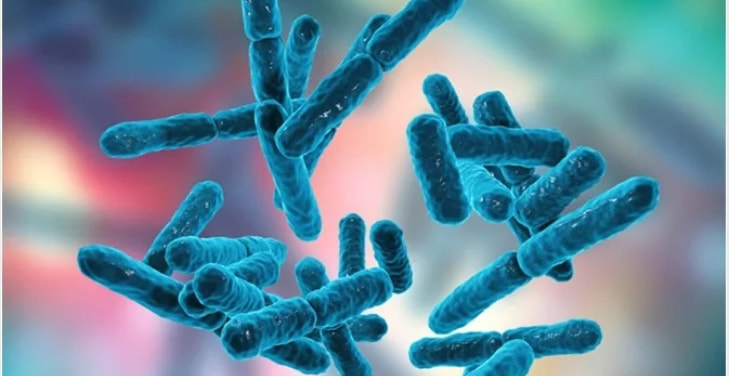
Probiotics are beneficial bacteria that help balance gut health and boost immunity.
What Are Probiotics?
In the world of microorganisms, a small but powerful group of organisms exists – probiotics. They live, grow, and maintain the delicate balance of the intestinal microflora, where health begins and immunity is nurtured.
Live Microorganisms with Purpose
Probiotics are live microorganisms, mainly from the genera Lactobacillus, Bifidobacterium, and Saccharomyces, that provide distinct physiological benefits when ingested in appropriate doses. They regulate the intestinal environment, maintain an ideal pH, and support the growth of beneficial endogenous bacteria.
A Microscopic Force for Health
Inside the digestive tract, probiotics activate digestive enzymes, produce lactic acid, and synthesize B vitamins and antimicrobial peptides. Their presence strengthens the intestinal mucosal barrier, helping the body maintain homeostasis—the foundation for optimal digestion, strong immunity, and overall sustainable health.
How Probiotics Work in the Body
Probiotics act on the body through a tightly interconnected network of molecular and physiological mechanisms, ranging from interactions at the mucosal surface to modulation of immune signaling. Each mechanism contributes to microbial stability and digestive function.
Colonization & Competitive Exclusion
Probiotics adhere to the intestinal epithelium, occupying attachment sites and consuming nutrients, creating competitive pressures that make it difficult for opportunistic bacteria to establish colonies.
Metabolites (SCFAs & Bacteriocins)
Strains produce short-chain fatty acids (SCFAs), such as acetate, propionate, and butyrate — fuels for epithelial cells — and antimicrobial peptides (bacteriocins) to control microbial populations.
Immune Modulation (TLRs, Cytokines, sIgA)
Interaction with toll-like receptors (TLRs) stimulates cytokine balance, increases the number of regulatory T cells, and enhances secretory IgA secretion, thereby reinforcing the targeted immune response.
Mucosal Barrier & Tight Junctions
Probiotics increase the expression of tight junction proteins (occludin, claudin, ZO-1) and stimulate mucus secretion, strengthening the mucosal barrier and reducing permeability.
Enzymatic Support & Nutrient Synthesis
Probiotics provide digestive enzymes (e.g., β-galactosidase), support nutrient absorption, and synthesize some B vitamins, contributing to maintaining intestinal homeostasis.
Health Benefits of Probiotics
Probiotics are the biological foundation for gut, immune, and neurological health. They form a complex link between the digestive system, the endocrine system, and the brain-gut axis, helping the body operate in optimal physiological balance.
Digestive Harmony
Probiotics support the breakdown of carbohydrates, lipids, and proteins through specific enzymes, reduce metabolite accumulation, and promote smooth intestinal motility. They contribute to maintaining the integrity of the intestinal mucosa and optimizing the absorption of micronutrients.
Immune Enhancement
Probiotics activate lymphocytes, increase the production of beneficial cytokines, and strengthen the protective IgA layer of the digestive tract, creating a biological shield against pathogens.
Anti-Inflammatory & Gut-Brain Axis
Some strains secrete short-chain fatty acids that help regulate the inflammatory response and balance the microbiota. Probiotics influence the gut-brain axis, regulate serotonin levels, and improve mood and sleep.
Metabolic & Nutrient Benefits
They support glucose metabolism, synthesis of B vitamins, and contribute to the stabilization of overall metabolic activity.
Common Types of Probiotic Strains
Each probiotic strain has its own biological properties, selectively interacting with the native microflora and regulating key physiological processes in the body. The diversity of strains determines the clinical efficacy and the range of effects on human health.
Lactobacillus Species
Strains Lactobacillus acidophilus, L. rhamnosus, and L. casei ferment sugars to lactic acid, maintain stable intestinal pH, and support mineral absorption. They activate mucosal immune responses and stimulate the synthesis of digestive enzymes.
Bifidobacterium Species
Bifidobacterium bifidum, B. longum, and B. breve reside mainly in the colon, produce short-chain fatty acids, nourish intestinal epithelial cells, and support lipid metabolism.
Saccharomyces boulardii
This is a probiotic yeast that secretes protease enzymes, inactivates bacterial toxins, and enhances the absorption of water and electrolytes.
Synergistic Effects
When combined, these strains form a mutually beneficial biological system, strengthening the microbiome balance and maintaining a sustainable immune system.
Natural Food Sources of Probiotics
Natural food sources of probiotics are the foundation of a probiotic diet, where live microorganisms are incorporated directly into the daily diet. They provide active probiotics, enzymes, and metabolites that benefit the gut and immune system.
Fermented Dairy Products
Yogurt and kefir contain active strains of Lactobacillus and Bifidobacterium, which aid in lactose breakdown, stimulate the secretion of digestive enzymes, and preserve intestinal mucosal structure.
Fermented Vegetables
Kimchi, sauerkraut, and sauerkraut provide natural lactic acid and plant enzymes, which help maintain a stable pH environment and enhance the biosynthesis of B vitamins.
Soy-Based Fermentation
Miso, tempeh, and natto contain sources of Bacillus subtilis and Lactobacillus plantarum, which aid in plant protein metabolism, provide bioactive isoflavones, and promote a balanced microbial environment.
Functional Integration
The regular inclusion of these fermented foods in the diet fosters a thriving nutritional ecosystem, nourishing the gut and supporting overall health.
Probiotic Supplements
Probiotic supplements are biological preparations containing live microorganisms that are standardized in species, density, and stability to deliver beneficial bacteria directly to the digestive system. They are developed based on microencapsulation technology to protect living cells from stomach acid and digestive enzymes.
Forms and Delivery Systems
Products are available in various forms, including capsules, dissolving powders, and chewable tablets, each designed to support the survival of bacteria in the small intestine and colon. Multi-strain formulations allow for a synergistic effect between microorganisms.
CFU Count and Viability
Colony-forming units (CFU) range from 1 to 100 billion per dose, depending on the treatment goal. This index reflects the density of live bacteria that can adhere and grow in the intestinal tract.
Quality and Clinical Relevance
GMP products are rigorously tested for purity, stability, and biological efficacy, which helps optimize immune function, digestion, and balance of the endogenous microflora.
When to Take Probiotics
The timing of probiotic use determines the survival of bacteria and the effectiveness of their interaction with the intestinal microflora. Each physiological stage of the body creates different absorption conditions, directly affecting the biological activity of beneficial bacteria.
Optimal Timing
Taking probiotics in the morning before meals helps bacteria overcome the acidic environment of the stomach and effectively adhere to the intestinal epithelium. The presence of a small amount of food helps to suddenly reduce pH and increase the ability to settle.
During Antibiotic Therapy
When taking antibiotics, supplementing probiotics after 2–3 hours helps to restore the microflora and reduce the risk of antibiotic-associated diarrhea. The strains Saccharomyces boulardii and Lactobacillus rhamnosus GG are active during this period.
Daily Maintenance
Daily use of probiotics maintains a stable CFU density, supports digestion, strengthens mucosal immunity, and maintains intestinal homeostasis.
Possible Side Effects of Probiotics
Probiotic supplementation induces temporary changes in the composition of the intestinal microbiota. This adaptation phase may be accompanied by mild physiological responses, reflecting the process of adjusting the digestive system's homeostasis.
Digestive Adaptation
In the first few days, probiotics stimulate the fermentation of undigested carbohydrates, producing biogases such as CO₂ and H₂, which can lead to a feeling of bloating or mild flatulence. This is a sign of the proliferation of beneficial bacteria in the intestinal lumen.
Metabolic Transition
The microbiome shift temporarily alters the pattern of nutrient absorption and bile acid metabolism. Some people may experience increased intestinal motility, characterized by increased frequency of bowel movements.
Immune Adjustment
Probiotics activate the mucosal immune system, promoting the production of secretory IgA and regulatory cytokines. The body responds with a transient, mild inflammatory reaction before reaching a stable immune equilibrium.
Prebiotics vs. Probiotics
The gut microbiome functions as a dynamic ecosystem, where prebiotics serve as selective nutrients and probiotics are active organisms that help maintain balance and support immune function. The combination of these two factors forms the foundation for sustainable digestive health.
Prebiotics: The Nourishing Substrates
Prebiotics are non-digestible fibers, mainly inulin, fructooligosaccharides (FOS), and galactooligosaccharides (GOS). They are fermented by beneficial bacteria, producing short-chain fatty acids such as butyrate, acetate, and propionate, which serve as energy sources for intestinal epithelial cells.
Probiotics: The Living Benefactors
Probiotics are live microorganisms such as Lactobacillus, Bifidobacterium, and Saccharomyces boulardii, which perform immunomodulatory functions, increase secretory IgA secretion, and protect the mucosal barrier.
Synbiotic Interaction
When prebiotics and probiotics are used together, they create a synbiotic system, where nutrients and microorganisms work together to maintain a healthy microbiome and balance the intestinal flora.
Conclusion
Probiotics are the biological foundation that shapes digestive, immune, and metabolic health. They establish a network of cell-microbe interactions that enable the body to maintain homeostasis and natural resilience.
Maintaining a healthy balance of beneficial bacteria not only protects the gut but also supports the nervous system, regulates inflammation, and enhances the absorption of essential nutrients. Each probiotic strain acts as a link in the chain of systemic biological balance.
→ Learn about the side effects of probiotics to understand the natural adaptive response and optimize probiotic supplementation for long-term health.
Frequently Asked Questions (FAQs)
- Are probiotics really necessary for healthy people? – Yes. Probiotics help maintain a balanced gut microbiome, support mucosal immunity, and reduce oxidative stress. Even healthy people benefit from stable intestinal microflora for optimal digestion and defense.
- How long does it take for probiotics to start working? – Usually within 5–10 days. During this time, beneficial bacteria attach to the gut lining, enhance enzyme and short-chain fatty acid production, and begin improving digestion and immune balance.
- Should probiotics be used with antibiotics? – Probiotics can be taken alongside antibiotics, but they should be spaced by at least two hours. This timing helps preserve live microorganisms, reduces gut imbalance, and supports intestinal recovery after antibiotic use.
- Do probiotics help improve mood? – Yes. Strains like Lactobacillus rhamnosus and Bifidobacterium longum modulate the gut–brain axis, increase serotonin levels, ease anxiety, and promote better sleep and mood stability.
- Should probiotics be obtained from food or pills? – Both sources are beneficial. Fermented foods such as yogurt, kimchi, and kefir deliver natural probiotics and enzymes, while supplements provide controlled CFU doses and targeted strains for specific health goals.
