
Pomegranate seeds, with their vibrant red color, evoke a sense of freshness and vitality at first glance. Each tiny seed contains the essence of nutrition, awakening a natural connection between food and health.
When enjoying pomegranate seeds, the body feels a refreshing coolness spreading, a gentle sweetness blending with pure energy. This eating habit nurtures positive emotions, fostering a desire for subtle and sustainable self-care.
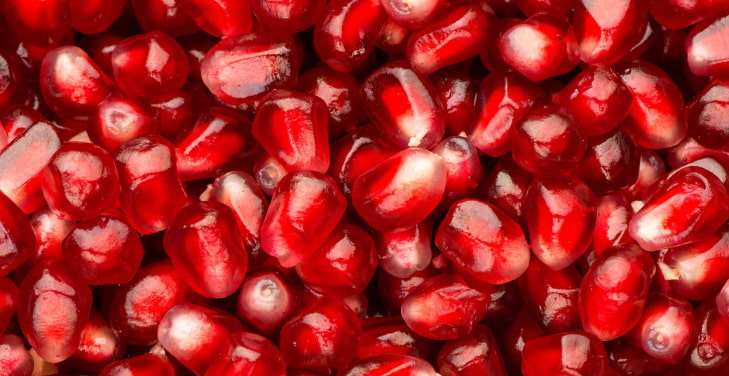
Pomegranate seeds provide antioxidants, fiber, and nutrients that support overall health and vitality.
What Are Pomegranate Seeds?
Pomegranate seeds are the edible part inside the pomegranate fruit, characterized by their ruby red color and sweet, slightly tart flavor. These seeds are densely packed within each segment, containing both natural juice and a crunchy core, providing a refreshing sensation when chewed. In modern nutrition, pomegranate seeds are considered a whole food rich in bioactive compounds, suitable for diets focused on long-term health.
Natural Structure and Composition
Each pomegranate seed consists of a juicy outer layer surrounding a small seed kernel. This structure helps retain many plant compounds and natural fibers within a single food unit.
Flavor and Culinary Appeal
The mild sweetness, mixed with a slight tartness, creates depth of flavor. Pomegranate seeds are easy to incorporate into savory and sweet dishes, as well as everyday drinks.
Role in Traditional Diets
From the Mediterranean to the Middle East, pomegranate seeds are a common ingredient in meals due to their high nutritional value and versatility in cooking.
Nutritional Profile of Pomegranate Seeds
Pomegranate seeds offer a high nutrient density in a small serving, aligning with the trend of prioritizing quality over quantity in eating. Each spoonful of pomegranate seeds contains a harmonious blend of vitamins, minerals, and active plant compounds, providing a solid foundation for many physiological functions.
Macronutrients and Energy
Pomegranate seeds provide natural carbohydrates from fruit sugars along with a significant amount of fiber. The energy released is stable, supporting physical and mental activity throughout the day.
Vitamin Content
Vitamin C, vitamin K, and folate are prominently present in pomegranate seeds. These micronutrients participate in blood formation, cell protection, and the maintenance of soft tissue health.
Essential Minerals
Potassium, copper, and manganese are present in balanced amounts. This group of minerals supports fluid regulation, enzyme function, and energy metabolism.
Dietary Fiber Density
Both soluble and insoluble fiber coexist in pomegranate seeds. This combination promotes smooth digestion and supports a healthy gut microbiome.
Antioxidants Found in Pomegranate Seeds
Pomegranate seeds are notable for their high antioxidant content, which contributes to the fruit's high biological value. These active compounds are concentrated in the seed's juicy outer layer, which retains its characteristic red color and strong cell-protective properties. In functional nutrition, this group of compounds plays a central role in maintaining homeostasis.
Polyphenols and Plant Compounds
Pomegranate seeds are a rich source of polyphenols, including punicalagins and anthocyanins. These compounds neutralize free radicals, support cell structure protection, and maintain tissue integrity. The deep color of pomegranate seeds directly reflects the density of plant-based active compounds within.
Cellular Protection Mechanisms
The antioxidants in pomegranate seeds promote the body's natural defense mechanisms. This process helps reduce oxidative stress, stabilize physiological inflammatory responses, and contribute to maintaining sustainable metabolic function over time.
Health Benefits of Eating Pomegranate Seeds
Pomegranate seeds offer numerous health benefits thanks to their combination of antioxidants, fiber, and essential micronutrients. When regularly incorporated into the diet, pomegranate seeds support the body's more stable functioning, from the cellular level to vital organ systems.
Immune System Support
The polyphenols and vitamin C in pomegranate seeds activate the body's natural defenses. The immune system responds more effectively to environmental factors and maintains physiological adaptability.
Metabolic Balance
The fiber and natural carbohydrates help regulate blood sugar and support efficient energy metabolism. The body uses nutrients more efficiently, reducing fluctuations in energy throughout the day.
Anti-Inflammatory Effects
The phytochemicals in pomegranate seeds promote a balanced physiological inflammatory response. This process contributes to tissue protection, supports joint flexibility, and maintains long-term health.
Do You Eat Pomegranate Seeds?
Many people wonder why they eat pomegranate seeds, and the answer lies in their natural nutritional value. Consuming pomegranate seeds with their juicy outer layer provides a complete, nutrient-rich eating experience. Eating the whole seed allows the body to simultaneously absorb fiber, micronutrients, and valuable plant compounds.
Edible Structure and Digestibility
The small kernel inside the crunchy red outer layer is easy to chew and digest. Natural fiber supports bowel movements and contributes to a smoothly functioning digestive system.
Nutritional Value When Consumed Whole
When eaten whole, the body absorbs polyphenols, vitamins, and minerals in a balanced way. This method of consumption supports cardiovascular health, energy metabolism, and long-term well-being.
Eating pomegranate seeds daily offers clear and tangible nutritional benefits.
How to Eat Pomegranate Seeds Daily
Pomegranate seeds are easy to incorporate into your daily diet thanks to their refreshing flavor and versatility. Regular consumption helps maintain a nutrient-rich, light, and natural eating habit. Just a small amount each day provides many positive physiological benefits.
As a Fresh Snack
Pomegranate seeds are eaten directly after peeling, offering a crisp, juicy texture. This method preserves vitamins, fiber, and plant compounds.
Added to Breakfast Bowls
Pomegranate seeds combined with yogurt, oatmeal, or fruit create a balanced breakfast. The sweet-and-sour flavor makes the dish more vibrant.
Mixed into Salads
Sprinkle pomegranate seeds on green salads or grain salads to add color and texture. The dish becomes more appealing and rich in antioxidants.
Blended in Drinks
Pomegranate seeds, when blended into smoothies or juices, provide easily absorbed nutrients, making them perfect for an active lifestyle.
Potential Side Effects and Safety Tips
Understanding the risks associated with pomegranate seeds helps optimize nutritional benefits and maintain a stable body state. Pomegranate seeds provide polyphenols, fiber, and bioactive minerals, and can elicit strong physiological responses at high doses. Identifying potential impacts helps develop safe and proactive usage strategies.
Digestive Sensitivity
The abundant fiber in pomegranate seeds stimulates bowel activity. Starting with small portions helps the digestive system regulate its circadian rhythm and creates a feeling of comfort after meals.
Interaction Awareness
The bioactive compounds in pomegranate seeds participate in metabolic processes. People taking supplements should prioritize monitoring their bodies' reactions when supplementing regularly.
Smart Consumption Tips
Rinse the seeds thoroughly before eating, and incorporate them into main meals or snacks. A balanced diet supports efficient nutrient absorption and maintains long-term health.
Conclusion
Pomegranate seeds offer comprehensive nutritional value thanks to the harmonious combination of antioxidants, fiber, and essential micronutrients. Regular consumption helps the body maintain physiological balance and supports many important organ systems.
The habit of eating pomegranate seeds daily contributes to a rich diet, enhances vitality, and lays the foundation for long-term health. Choosing the right way to use them optimizes benefits and improves quality of life.
Frequently Asked Questions (FAQs)
- Is eating pomegranate seeds every day good for you? – Eating pomegranate seeds daily supplies antioxidants, fiber, and essential micronutrients. This habit supports digestion, cardiovascular health, and long-term cellular nourishment.
- Do pomegranate seeds need to be chewed thoroughly? – Yes, chewing them well helps release nutrients from both the juice-filled arils and the seed itself, improving digestion and nutrient absorption.
- Can children eat pomegranate seeds? – In appropriate portions, children can enjoy pomegranate seeds. They provide vitamins, minerals, and natural energy while supporting healthy digestion.
- When is the best time of day to eat pomegranate seeds? – Pomegranate seeds are suitable for breakfast, snacks, or after light meals, helping maintain consistent nutrient intake and positive energy levels.
- Should pomegranate seeds be combined with other foods? – Yes, adding them to yogurt, salads, or smoothies enhances flavor and boosts nutritional diversity, supporting better micronutrient absorption.
