
What happens inside the hair follicle when hair thins day by day? This question piques curiosity about the sophisticated biological system that operates right on the scalp.
Hair reflects the state of hormones, nutrition, and tissue regeneration. Every small change in the body creates a signal wave that directly affects the anagen phase of the hair cycle.
Understanding the mechanism that causes hair to weaken, you hold the key to building a proactive and scientific care strategy. Each habit at home becomes a powerful force supporting thick, healthy, and vibrant hair.
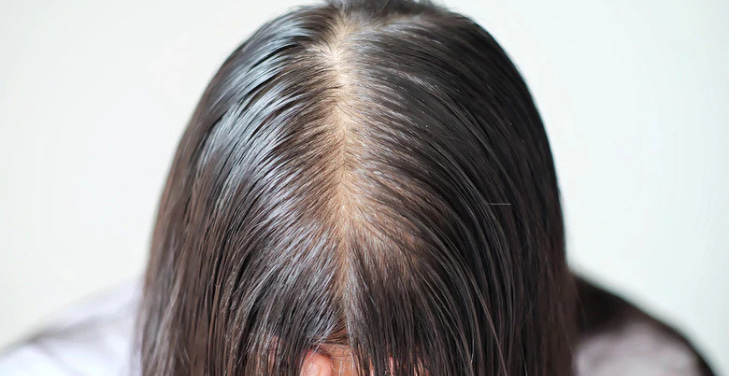
Natural home methods can enhance hair strength and encourage steady, healthy growth.
What Causes Hair Thinning?
Thin hair represents an important biological signal from the body. Hair reflects the state of hormones, nutrition, and microcirculation. When these factors fluctuate, the hair growth cycle is disrupted, leading to a weakened condition.
Hormonal Imbalance
Androgen imbalance, estrogen fluctuations, and thyroid disorders trigger a prolonged telogen phase. Hair follicles react strongly to hormonal changes and reduce their ability to create new hair.
Chronic Stress Load
Chronic stress increases cortisol and directly affects the germ cells of the hair follicle. Micro-inflammation strengthens and weakens the structural foundation of the hair root.
Nutritional Gaps
Deficiencies in protein, iron, zinc, and omega-3 reduce the ability to synthesize keratin. The follicular matrix requires a steady supply of energy to maintain hair growth.
Genetic Predisposition
Genetic factors create distinct hair loss patterns. Hair follicles change their sensitivity to hormones and gradually decrease in size over time.
Key Nutrients That Promote Healthy Hair Growth
Hair serves as a biomarker that reflects an individual's overall nutritional status. Hair follicles require a stable substrate rich in micronutrients and amino acids to maintain a long anagen cycle and produce healthy hair.
Essential Proteins
Proteins provide essential amino acid sequences for keratin synthesis. The follicular matrix uses proteins as a backbone for hair strength and diameter.
Iron and Zinc Support
Iron promotes oxygen transport to hair follicle cells. Zinc participates in enzyme regulation and enhances cell division in the bulb region.
Omega-3 Fatty Acids
Omega-3 improves cell membrane properties and enhances microcirculation. Hair follicles receive more nutrients and stabilize the growth rate.
Vitamins A, C, D, E & Biotin
Vitamins maintain epithelial health, support collagen production, and enhance follicular tissue immunity. Biotin promotes energy metabolism and strengthens hair fibers.
Scalp Care Rituals That Stimulate Follicles
The scalp forms a micro-ecosystem that determines the vitality of hair follicles. When the scalp surface is clear, oxygen-rich, and lipid-balanced, hair follicle germ cells are active, promoting a prolonged anagen cycle.
Scalp Massage
Massaging the scalp increases blood flow and enhances microcirculation around the hair roots. Gentle mechanical pressure activates the arrector pili muscle and creates biological signals that promote the activity of the follicular matrix.
Home Scalp Exfoliation
Exfoliating the scalp removes old keratinocytes and accumulated plaque. The clear cuticle allows the hair follicle to receive nutrients and stabilizes the ideal pH environment.
Gentle Cleansing Routine
Gentle cleansing maintains the lipid barrier and supports the protective function of the scalp. The sebaceous glands function in balance, creating a stable, nutrient-rich environment that supports hair root development.
Natural Oils That Support Hair Growth
Natural oils provide a biological foundation rich in phytochemicals, which support hair follicles in increasing metabolism and enhancing hair strength. Each oil provides a unique spectrum of nutrients that directly impact the structure and function of the hair root.
Rosemary Oil
Rosemary oil increases blood circulation and activates the activity of the dermal papilla. The active ingredient, carnosic acid, supports tissue regeneration and enhances growth signals in hair follicles.
Coconut & Castor Oil
Coconut oil provides medium-chain fatty acids that help improve the lipid barrier of the scalp. Castor oil is rich in ricinoleic acid and creates a biologically moist environment that promotes keratin production.
Pumpkin Seed Oil
Pumpkin seed oil provides phytosterols that support hormonal balance in the hair follicle. High levels of vitamin E increase hair strength and stabilize cell membranes.
Application Technique
Apply the oil with a light massage to optimize absorption and enhance microcirculation signals at the hair roots.
DIY Hair Masks for Strength and Thickness
Homemade hair masks offer a concentrated source of nutrients that provide comprehensive nourishment to hair follicles. Natural ingredients, including enzymes, amino acids, and antioxidants, support the keratin structure and promote increased hair density.
Aloe Vera Hydrating Mask
Aloe vera gel, rich in polysaccharides, creates a bio-moisturizing film. Acemannan helps soothe the scalp epidermis and enhance the resilience of the follicular matrix.
Egg & Yogurt Protein Blend
Eggs provide albumin and lysine for the synthesis of keratin. Yogurt contains lactic acid that helps soften the stratum corneum and facilitates the penetration of nutrients deep into the hair shaft.
Avocado & Banana Nourishing Mix
Avocado is rich in omega-9 and vitamin E, which strengthen the hair fiber cell membrane. Bananas contain silica, which helps increase elasticity and improve the natural thickness of hair.
Application Insight
Apply the mixture from root to tip to help distribute nutrients evenly and increase the effectiveness of restoring each layer of hair.
Lifestyle Habits That Prevent Further Thinning
Lifestyle plays a crucial role in creating the biological foundation that determines the growth rate and strength of hair fibers. When the body maintains a stable state, hair follicles receive clear growth signals and operate sustainably in the anagen cycle.
Stress-Reduction Strategies
Reducing stress lowers cortisol and improves HPA axis function. Practicing meditation, deep breathing, or yoga helps regulate the autonomic nervous system and increases circulation to the scalp.
Healthy Sleep Patterns
Deep sleep stimulates the secretion of growth hormone and promotes tissue regeneration. Each stable sleep cycle improves melatonin levels and supports follicular stem cell activity.
Limit Heat Exposure
Limiting high heat protects the cuticle and maintains the keratin structure. Hair receives less damage and retains its natural elasticity over time.
Gentle Hairstyling Choices
Gentle hairstyles reduce tension on the hair roots. Hair follicles maintain a strong grip and stabilize the growth ability of each strand.
Gentle At-Home Treatments Backed by Science
Bio-based home treatments that gently activate hair follicles while maintaining safety. These techniques utilize tissue regeneration and increased microcirculation to support hair density.
Red Light Therapy
Red light therapy stimulates mitochondria to increase ATP production. Hair follicles receive higher energy and improve dermal papilla activity.
Home Microneedling
Microneedling creates controlled micro-injuries, triggering collagen production. The scalp increases blood flow and improves absorption of hair-supporting actives.
Caffeine-Based Tonics
Caffeine penetrates the scalp quickly and supports accelerated cell division in the follicular matrix. Caffeine solutions enhance hair follicle vitality and stabilize the hair growth cycle.
Consistent Application
Regular practice increases effectiveness and creates the optimal biological environment for the growth of each hair strand.
When to Seek Professional Evaluation
A thorough examination is crucial in determining the nature of the thinning hair condition. The doctor evaluates the hair follicle structure, scalp tissue, and endocrine factors to develop an accurate treatment strategy.
Signs of Nutritional Deficiencies
Fatigue, pale skin, weak nails, and diffuse thinning hair suggest iron, zinc, or B vitamin deficiencies. Blood tests help determine micronutrient reserves and support the appropriate use of supplementation.
Persistent Hair Loss Patterns
Persistent hair loss in a specific area reflects strong genetic activity or hormonal fluctuations. Dermatologists use trichoscopy to observe hair density, diameter, and morphology.
Coordinating Medical Support
Treatment regimens include hormonal supplements, topical medications, and therapies that stimulate hair follicles. Close coordination helps optimize recovery speed and improve scalp health.
Conclusion
Hair reflects internal health and reacts strongly to every change in the body. When the scalp is properly nourished and the hair follicles receive stable biological signals, the hair growth rate increases significantly.
Home care practices that combine nutrition, scientific living habits, and supportive therapies create a comprehensive ecosystem for hair growth. Each factor affects the keratin structure, microcirculation, and tissue regeneration ability.
A consistent care regimen provides a sustainable foundation for thicker, stronger hair that maintains its vitality for a long time.
Frequently Asked Questions (FAQs)
- Can thinning hair be completely restored naturally? – Natural restoration is possible when follicles receive adequate nutrients and proper care. A prolonged anagen phase helps increase hair density over time.
- Are natural hair masks suitable for all hair types? – Yes. Aloe vera, avocado, eggs, and yogurt deliver enzymes and amino acids that support keratin repair for various hair textures.
- How long does it take to see results with rosemary oil? – Improvements typically become visible after a few growth cycles as microcirculation increases and follicles strengthen.
- Is microneedling at home safe? – When done properly, microneedling boosts collagen and enhances follicle regeneration signals, improving nutrient uptake and supporting hair growth.
- When should you see a doctor to evaluate thinning hair? – Seek medical advice if thinning becomes widespread, forms clear patches, or is associated with fatigue or hormonal symptoms.
