
Lion’s Mane Mushroom has been referred to as a “brain elixir” in traditional Asian medicine, drawing attention to its unusual white tendrils and potent neuroprotective effects.
This mushroom, scientifically known as Hericium erinaceus, stimulates the production of nerve growth factor (NGF), which promotes neurogenesis and strengthens connections between nerve cells.
Lion’s Mane improves memory, concentration, and mental clarity, while also supporting mood balance and boosting the immune system.
Regular use of this mushroom lays a solid foundation for brain health, improving cognition and protecting nerves from long-term oxidative stress.
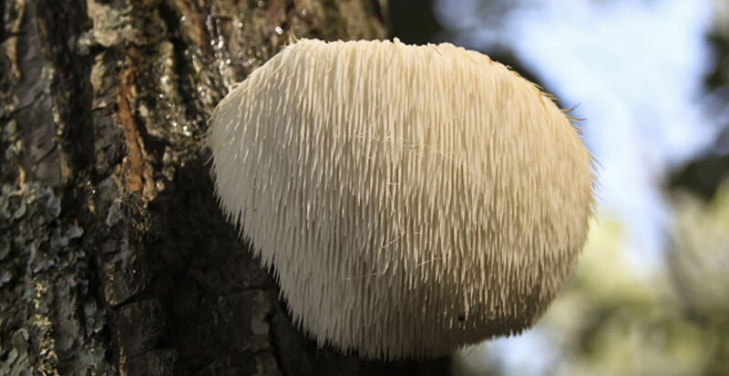
Lion’s Mane Mushroom is known for supporting brain health, focus, and immunity.
What Is Lion’s Mane Mushroom?
Lion’s Mane Mushroom is a unique medicinal herb that has been widely used in traditional Asian medicine for centuries. This mushroom is not only attractive due to its characteristic hair-like shape, but also highly valued by modern science for its ability to support nerve and brain health. Its scientific name is Hericium erinaceus, famously nicknamed “smart mushroom” for its memory and cognitive-enhancing effects.
Origin and Traditional Use
Lion’s Mane appears in traditional Chinese and Japanese medicine, used to increase vitality, improve mental acuity, and aid digestion.
Unique Morphology
The long, white, tendril-like shape creates a distinctive appearance that is easily recognizable in both natural and artificial cultivation.
Cognitive Reputation
Its ability to stimulate nerve growth factor (NGF) production makes it a top choice in studies of neuroprotection and improved brain function.
How Lion’s Mane Works in the Body
Lion’s Mane Mushroom exerts powerful effects on the body through sophisticated biological mechanisms, specifically focusing on the nervous and immune systems. Bioactive compounds in the mushroom stimulate the growth and protection of neurons, while also modulating inflammation and oxidative stress. This mechanism lays the foundation for cognitive, mood, and overall health benefits.
Stimulates Nerve Growth Factor (NGF)
Hericenones and erinacines in Lion’s Mane directly stimulate the production of NGF, a protein essential for the growth and maintenance of neurons.
Neuroprotection and Brain Cell Repair
Mushrooms support neuronal regeneration, reduce neuronal degeneration, and enhance learning and memory.
Regulation of Inflammation and Oxidative Stress
The polysaccharides and antioxidants in mushrooms regulate inflammatory responses and neutralize free radicals, protecting the body from tissue damage and impaired neurological function.
Key Health Benefits of Lion’s Mane Mushroom
Lion’s Mane Mushroom offers a comprehensive range of health benefits, with a particular focus on the brain, nervous system, and immune system. The bioactive compounds in the mushroom promote cognitive function, balance mood, and strengthen the body’s defenses. Regular use yields significant improvements in memory, concentration, and overall well-being.
Enhances Memory and Cognitive Performance
Hericenones and erinacines stimulate NGF production, enhancing memory, concentration, and learning.
Supports Mood Balance
Mushrooms regulate neurotransmitters, helping to reduce anxiety, improve mood, and support mental health.
Promotes Nerve Regeneration
Lion’s Mane promotes neuron regeneration and protects neurons from damage, maintaining long-term nerve function.
Strengthens Immune and Gut Health
Mushroom polysaccharides boost the immune system, support the gut microbiome, and improve anti-inflammatory properties.
Scientific Studies and Research Findings
Lion’s Mane Mushroom has been extensively studied by modern science, demonstrating positive effects on the brain, nerves, and overall health. Clinical studies and preclinical trials have confirmed its ability to improve cognition, support mental health, and have beneficial effects on the cardiovascular and gastrointestinal systems.
Evidence on Cognitive Improvement and Neurogenesis
Several studies have shown that the erinacines in mushrooms stimulate the production of nerve growth factor (NGF), promote neurogenesis, and improve memory and learning in adults.
Research on Mental Health
Lion’s Mane regulates neurotransmitters and reduces symptoms of anxiety and mild depression, contributing to balanced mood and mental health.
Potential Benefits for Gut and Heart Health
Polysaccharides and antioxidants in mushrooms support the gut microbiome, reduce inflammation, and improve cardiovascular function, extending the health benefits throughout the body.
Natural Sources and Forms of Lion’s Mane
Lion’s Mane Mushrooms exist in both wild and cultivated environments, offering a wide range of health supplement options. The variety of forms and formulations allows users to easily absorb bioactive compounds, optimizing neurological and immune benefits.
Wild and Cultivated Mushrooms
Mushrooms grow naturally on decaying tree trunks in temperate regions and are cultivated under controlled conditions, ensuring stable levels of active ingredients.
Powder, Capsules, Extracts, and Tea
Lion’s Mane is available as a powder, capsule, concentrated extract, or herbal tea, each offering different levels of absorption and convenience.
Fruiting Body vs. Mycelium Extracts
Fruiting body extracts contain high levels of erinacines, while mycelium is rich in polysaccharides, providing comprehensive support for brain, nerve, and immune health.
Recommended Dosage and Usage Tips
Lion’s Mane Mushroom is most effective when used in the correct dosage and method of absorption. Using standard doses, combined with a balanced diet and regular use, helps to enhance cognitive function, support the nervous system, and sustainably boost the immune system.
Typical Daily Dosage for Cognitive Support
Recommended doses typically range from 500–3000 mg per day for standard extracts, focusing on the fruiting body to optimize nerve growth factor (NGF) production.
Time to Noticeable Effects
Users typically notice improvements in memory, concentration, and mental clarity after 4–8 weeks of regular use, depending on the body and the preparation.
Tips for Consistent Supplementation
Take it in the morning or afternoon with food to increase absorption. Combining with other nootropics, such as Bacopa Monnieri or Ginkgo biloba, to enhance overall effectiveness.
Possible Side Effects and Safety Considerations
Lion’s Mane Mushroom is generally considered safe, but some mild physiological reactions may occur in some individuals. Understanding the potential side effects and precautions can help users maximize health benefits while ensuring long-term safety.
Mild Digestive Discomfort or Allergies
Some people may experience indigestion, gas, or mild allergic reactions when first starting to use mushrooms.
Who Should Avoid Lion’s Mane
Those with mushroom allergies or those taking medications for autoimmune diseases should be cautious and consult a healthcare professional before supplementing.
Interaction with Other Supplements or Medications
Lion’s Mane may interact slightly with blood sugar-regulating or anticoagulant medications. Combinations require medical supervision to ensure safety and effectiveness.
How to Choose a Quality Lion’s Mane Supplement
Choosing a quality Lion’s Mane Mushroom product is key to optimizing neurological, cognitive, and immune health benefits. Scientifically tested products ensure the active ingredient content is safe and easily absorbed, while providing lasting results for users.
Importance of Dual Extraction
Dual extraction products (alcohol and hot water) ensure the maximum extraction of erinacines and polysaccharides, providing a full spectrum of essential bioactive compounds for the brain and immune system.
Look for β-Glucan Content and Third-Party Testing
β-glucan content testing and certification from an independent laboratory confirm the quality, purity, and safety of the product.
Tips for Identifying Genuine Organic Sources
Choose organic mushrooms, grown under controlled conditions to avoid pesticides and heavy metals, ensuring a pure and safe source of raw materials for the long term.
Combining Lion’s Mane with Other Nootropics
Combining Lion’s Mane Mushroom with other nootropics creates a powerful synergistic effect, optimizing cognitive function, mental performance, and neurological health. The scientific combination helps increase NGF production, improve neurotransmission, and support mood balance, thereby enhancing the overall effectiveness of the supplement.
Synergistic Effects with Bacopa Monnieri or Ginkgo Biloba
Using Bacopa Monnieri or Ginkgo Biloba stimulates memory, concentration, and information processing speed while increasing cerebral blood flow.
Enhanced Focus and Clarity
Lion’s Mane combines with other nootropics to enhance focus, mental clarity, and quick decision-making.
Mood and Cognitive Support
A combination that balances neurotransmitters and reduces oxidative stress, resulting in improved mood, reduced anxiety, and long-term neuroprotection.
Conclusion
Lion’s Mane Mushroom is a neurotrophic superfood that provides comprehensive benefits for the brain, nervous system, and immune system. Regular use improves memory, enhances focus, and supports sustained mood balance.
The bioactive compounds in the mushroom stimulate the production of nerve growth factor (NGF), promote neurogenesis, and protect neurons from oxidative damage.
Combining Lion’s Mane with a healthy diet and other nootropics optimizes performance, enhancing cognitive function, clarity, and overall well-being. It is an ideal choice for those seeking a comprehensive upgrade to mental acuity and overall well-being.
Frequently Asked Questions (FAQs)
- Does Lion’s Mane Mushroom Really Improve Memory? – Scientific studies show that Lion’s Mane stimulates the production of nerve growth factor (NGF), promotes neurogenesis and improves memory and concentration, and protects neurons from degeneration.
- What is the safe dosage of Lion’s Mane? – The recommended dose ranges from 500–3000 mg per day of fruiting body extract, taken regularly for 4–8 weeks, to notice cognitive and mental improvements.
- Who Should Avoid Lion’s Mane? – People with mushroom allergies, autoimmune diseases, or those taking anticoagulants should consult a healthcare professional before supplementing to avoid unwanted side effects or interactions.
- Does Lion’s Mane Help Mood and Anxiety? – Lion’s Mane regulates neurotransmitters, reduces anxiety symptoms, improves mood, and supports mental health, providing a lasting sense of balance and clarity.
- Which Lion’s Mane product is best to consume? – A dual fruiting body extract with high β-glucan ensures maximum bioavailability, combined with powder, capsules, or tea for efficient absorption and enhanced neurological, immune, and systemic effects.
