
Lemon balm tea emerges as a herbal option with a slow, refined rhythm. The gentle lemon aroma, combined with the leaves' natural green color, creates a feeling of relaxation from the very first sip. This beverage is associated with sustainable health practices.
Amidst the hustle and bustle of daily life, have you ever wondered how a simple cup of herbal tea can change your body and mind? Lemon balm tea opens a space for enjoyment in which balance becomes central to the experience.
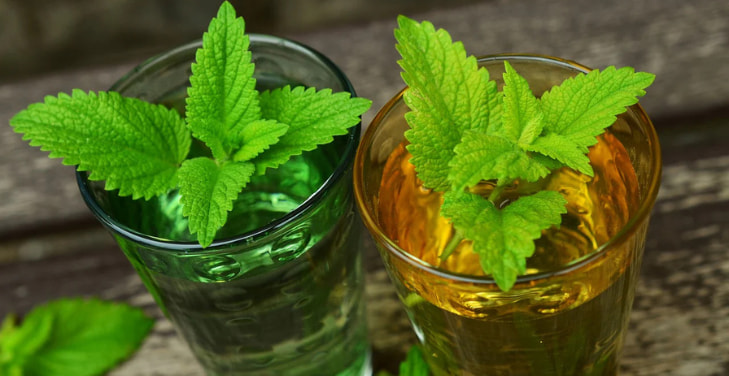
Lemon balm tea is a traditional herbal tea made from Melissa officinalis leaves.
What Is Lemon Balm Tea?
Lemon balm tea is a traditional herbal tea associated with a natural health-focused lifestyle. This beverage offers a gentle, accessible feel and fits seamlessly into daily routines.
Definition and Core Concept
Lemon balm tea is brewed from the leaves of Melissa officinalis, a herb belonging to the mint family. The leaves contain natural essential oils, polyphenols, and flavonoids, contributing to their long-standing value in herbal tea culture.
Herbal Identity
This tea is a caffeine-free herbal tea. Users often choose lemon balm tea as part of a relaxing routine, especially in the evening or after meals.
General Purpose in Nutrition
In nutrition, lemon balm tea represents a group of beverages that support body balance. It contributes to a lifestyle focused on mental stability, well-being, and a slower pace.
Botanical Background of Lemon Balm Plant
Lemon balm is a familiar herb in the botanical world, with clear, easily recognizable biological characteristics. It thrives in temperate natural conditions and is commonly found in traditional herbal gardens.
Scientific Classification
Lemon balm, scientifically known as Melissa officinalis, belongs to the Lamiaceae family. This plant family comprises many species rich in essential oils, widely used in culinary and herbal nutrition.
Morphological Characteristics
The plant has a soft stem and oval leaves with slightly serrated edges. The leaf surface contains oil glands that emit a mild lemon scent when gently crushed, creating a distinctive identifying feature.
Growth Cycle and Habitat
Lemon balm grows well in loose, nutrient-rich soil and moderate sunlight. The plant has a perennial growth cycle, allowing for multiple leaf harvests throughout the year.
Plant Parts Used for Tea
The leaves are the main ingredient used to make tea. Harvesting time usually coincides with the plant's stable growth phase, when the levels of natural compounds are balanced.
Origin and Traditional Use of Lemon Balm Tea
Lemon balm tea has a long history in human herbal practices. This type of tea is associated with cultures that value harmony between body and mind, where herbal drinks play an essential role in daily life.
Historical Roots
Lemon balm originates from the Mediterranean and West Asian regions. Ancient communities cultivated the plant in their family gardens and used the leaves as a familiar ingredient for herbal teas and natural preparations.
Traditional Applications in Daily Life
In traditional life, lemon balm tea is often drunk at the end of the day. It is present in relaxation rituals, family gatherings, and personal health care routines. Many cultures view this beverage as a symbol of calmness, stability, and a slow pace of life.
Thanks to its long history and versatile applications, lemon balm tea maintains a strong position in modern herbal tea culture.
Flavor Profile and Aroma Characteristics
Lemon balm tea offers a refined, pleasant taste from the very first sip. The tea's flavor and aroma create a relaxing sensation, perfect for moments that call for gentleness and balance.
Taste Experience
The tea possesses a mild, refreshing, and well-rounded herbal flavor. Upon tasting, a refreshing sensation spreads evenly throughout the mouth, allowing the drinker to clearly perceive the natural essence of the herbal leaves.
Aromatic Notes
The aroma of lemon balm tea evokes a light lemon scent mixed with the green hue of young leaves. The essential oils in the leaves release a soft fragrance when heated with hot water, creating a pleasant, relaxing impression.
Sensory Balance
The harmonious combination of taste and aroma makes lemon balm tea a popular choice for daily tea-drinking. This stable sensory experience contributes to the unique character of this traditional herbal tea.
Lemon Balm Tea Benefits
Lemon balm tea attracts attention for its benefits for a balanced lifestyle and natural body care. This herbal drink suits modern lifestyles where relaxation and inner stability are paramount.
Supports Mental Relaxation
The tea provides a pleasant feeling when consumed regularly. Its gentle aroma and natural compounds help calm the mind and ease thoughts.
Digestive Comfort
Lemon balm tea is often consumed after meals. This habit provides a sense of comfort in the stomach, supporting smooth, stable digestion.
Daily Wellness Ritual
Many people incorporate this tea into their daily routine as a self-care ritual. The moment of brewing and enjoying the tea helps regenerate mental energy.
Gentle Hydration Choice
This caffeine-free herbal tea is suitable for replenishing fluids throughout the day. This gentle approach helps maintain long-term balance in the body.
Forms of Lemon Balm Used for Tea
Lemon balm is used in tea in various forms, reflecting the herb's versatility in nutritional practices. Each form has its own characteristics, suited to different habits and purposes.
Fresh Lemon Balm Leaves
Fresh leaves are usually harvested directly from the plant and used immediately after cleaning. This form preserves the natural aroma and a distinctly fresh feel during tea brewing. Many people prefer fresh leaves for the experience of being close to the original herb.
Dried Lemon Balm Leaves
Dried leaves are the most common form in modern life. The drying process enables long-term preservation and convenient daily tea brewing. When exposed to hot water, the dried leaves quickly release their delicate aroma and create a stable tea color.
This diversity in form makes lemon balm tea easily adaptable to many different lifestyles.
How Lemon Balm Tea Is Prepared Traditionally
The traditional way of brewing lemon balm tea reflects an appreciation for herbs and a slow pace of life. The preparation process focuses on simplicity, preserving the leaves' natural properties.
Selecting the Leaves
Tea makers typically select clean, intact lemon balm leaves with a distinct aroma. The leaves are gently rinsed with clean water to retain the natural essential oils on the surface.
Infusion Method
The leaves are placed directly into a teapot or cup, then enough hot water is poured in. The steeping time is a few minutes, allowing the herbal aroma to spread evenly throughout the water.
Serving Ritual
The tea is usually enjoyed while still warm. Many families drink tea slowly, focusing on the aroma and the pleasant sensation. This ritual creates a moment of relaxation, connection, and natural self-care.
Lemon Balm Tea Recipe
Lemon balm tea offers a gentle, easy-to-make tea-making experience that fits into everyday life. With this recipe, tea makers can proactively create a refined herbal drink at home, preserving the natural flavor of the leaves.
Ingredient Selection
The main ingredients include fresh or dried lemon balm leaves and hot water. Leaves with a natural green color and a mild aroma indicate good quality and provide a well-rounded tea experience.
Brewing Process
The leaves are placed in a cup or teapot, then enough hot water is poured in. The steeping process takes a few minutes, allowing the essential oils and herbal aroma to spread evenly throughout the tea.
Optional Flavor Enhancements
Some people add honey or thin lemon slices to enhance the flavor depth. This variation creates a personal touch while maintaining the spirit of traditional herbal tea.
Recommended Serving Size and Frequency
Lemon balm tea is most effective when consumed in appropriate amounts and at a consistent frequency. A regular tea-drinking habit helps establish a stable and sustainable daily routine.
Standard Serving Size
Each serving is typically equivalent to one cup of herbal tea (200–250 ml). This amount is sufficient to enjoy the mild flavor and provide a relaxing experience in daily life.
Daily Consumption Pattern
Many people choose to drink one to two cups per day. The most common times are late afternoon or evening, when the body needs to relax and balance its circadian rhythm.
Consistency in Routine
Maintaining a consistent frequency helps lemon balm tea become part of a healthy lifestyle. This habit supports a feeling of well-being, a calm mind, and a more harmonious daily routine.
Lemon Balm Tea Side Effects
Besides its benefits, users are also concerned about possible reactions to lemon balm tea during daily use. Understanding these aspects helps form a controlled, appropriate herbal tea-drinking habit tailored to individual sensitivities.
Individual Sensitivity
Some individuals with sensitive constitutions may experience slight changes in their body state after drinking the tea. This reaction usually occurs with large amounts or continuous use over a long period.
Interaction Awareness
Lemon balm tea is often considered when used in conjunction with other health care products. Monitoring bodily reactions helps users proactively adjust their tea drinking habits.
Special Population Considerations
Pregnant women, individuals monitoring special health conditions, or those undergoing personalized treatment often choose to consult a professional. This approach helps ensure a safe and appropriate tea experience tailored to their individual needs.
The sensible use of lemon balm tea can help maintain balance and a sense of well-being in the long term.
Conclusion
Lemon balm tea embodies the spirit of traditional herbal tea, where simplicity is intertwined with sustainable wellness. From its botanical origins and flavor to its brewing method and usage habits, this tea demonstrates high versatility in modern life.
Understanding its characteristics and usage allows lemon balm tea to become a natural part of daily life. This beverage fosters a sense of balance, relaxation, and connection through a slower pace of life.
Frequently Asked Questions (FAQs)
- What is lemon balm tea? – Lemon balm tea is an herbal tea made from lemon balm leaves. It has a mild lemon scent and a light flavor and is often used in routines focused on relaxation and balance.
- When is the best time to drink lemon balm tea? – Many people enjoy lemon balm tea in the afternoon or evening, when they can relax and fully appreciate its gentle herbal aroma.
- Does lemon balm tea contain caffeine? – No, lemon balm tea is naturally caffeine-free, making it suitable for daily use and for those who prefer a calming beverage.
- Can I drink lemon balm tea every day? – Yes, drinking lemon balm tea daily is quite common. In reasonable amounts, it fits easily into a regular wellness or relaxation routine.
- Is lemon balm tea suitable for everyone? – Most adults can enjoy lemon balm tea. In special situations, listening to your body and consulting a professional can help ensure it is appropriate for you.
