
Cloves were once considered "black gold" in ancient trade routes due to their health benefits that far surpassed their role as a spice. This fact reflects the concentrated biological power in a small but potent flower bud.
Today, modern nutritional science continues to confirm that value. Cloves are used in cuisine, beverages, and personal care routines to support proactive health.
Understanding how to use cloves correctly helps them fully realize their potential in daily life.
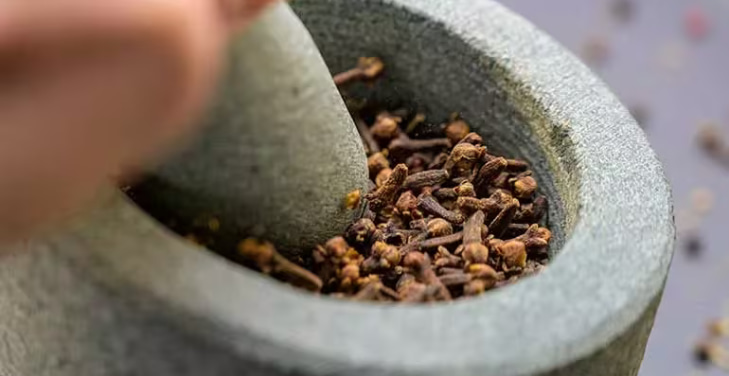
Cloves can be used in foods, drinks, and remedies to support daily health.
What Are Cloves?
Cloves are a spice rich in nutritional value and have a long history in medicine. In modern nutritional practice, cloves are considered a natural ingredient that supports holistic health through various biological mechanisms.
Botanical Origin and Form
Cloves are the dried flower buds of the clove tree, harvested when young and naturally dried. Their small, hard shape and strong aroma create a distinctive mark in traditional cuisine and health care.
Traditional Health Significance
In traditional medicine, cloves are used to warm the body, stimulate digestion, and boost vitality. Asian and Middle Eastern cultures use cloves as a daily health-protective ingredient.
Functional Role in Nutrition
From a nutritional perspective, cloves provide potent bioactive compounds that support metabolism, balance gut microbiota, and enhance the body's physiological adaptability.
Nutritional and Active Compounds in Cloves
Cloves stand out among functional spices for their high nutrient density and diverse array of active compounds. From a nutritional perspective, the components of cloves have a powerful physiological impact, affecting multiple organ systems and sustainably supporting health.
Key Phytochemicals and Antioxidants
Cloves contain abundant eugenol, combined with flavonoids, tannins, and phenolic compounds. These substances activate endogenous antioxidant mechanisms, promoting cell protection and maintaining tissue stability. The high concentration of bioactive compounds makes cloves effective even at low doses.
Essential Vitamins and Minerals
In addition to plant compounds, cloves provide manganese, vitamin K, vitamin C, and natural fiber. These micronutrients support energy metabolism, enhance enzyme function, and help maintain a healthy digestive system, laying a solid foundation for daily health.
How to Use Cloves in Cooking
Cloves bring a distinct depth of flavor and nutritional value to everyday cooking. When used correctly, this spice releases a warm aroma, infusing dishes with a subtle sweet-and-spicy flavor and elevating them from simple to complex.
Using Whole Cloves
Whole cloves are suitable for stews, soups, broths, and casseroles. Slow cooking allows essential oils to gradually release, creating a well-rounded, balanced flavor profile.
Cooking with Ground Cloves
Finely ground cloves blend well in baked goods, cereal porridges, and desserts. Small amounts create a strong accent, adding warmth and depth to the dish.
Flavor Pairing Techniques
Cloves combine harmoniously with cinnamon, ginger, star anise, and nutmeg. This combination creates complex, stable layers of flavor.
Timing and Heat Control
Adding cloves early in the cooking process helps the flavor spread evenly. Temperature control preserves the natural essence and aroma.
How to Use Cloves for Digestive Health
Cloves play an important role in supporting digestion thanks to their warming properties and ability to activate natural enzymes. In applied nutrition, this spice is often used to create a feeling of lightness in the stomach and maintain a stable digestive rhythm after meals.
Clove Tea for Digestive Comfort
Clove tea is made from crushed clove buds and warm water. This drink stimulates the secretion of digestive juices, supports the breakdown of food, and creates a soothing feeling in the stomach.
Infusions and Warm Drinks
Cloves, when combined with ginger or fennel, in warm water, help enhance bowel motility. This mixture is suitable for a daily digestive care routine.
Timing and Consumption Routine
Using cloves after main meals helps to synchronize digestive activity. Small doses, used regularly, provide clear and lasting physiological effects.
How to Use Cloves for Oral Health
Cloves are considered a prominent functional spice in oral health care due to their strong bioactive properties and distinctive aroma. In practical nutrition, cloves often appear as a natural solution to support a clean, healthy mouth and a lasting feeling of comfort.
Clove Chewing and Direct Use
Gently chewing a clove releases its active ingredients, creating a warm and clean sensation in the mouth. This method activates circulation in the gum tissue, supporting comfort for teeth and gums in daily activities.
Mouth Rinse and Oral Care Routine
A diluted clove mouthwash provides a natural cleaning effect. This habit helps balance the oral environment, maintain fresh breath, and enhance the oral care experience proactively and sustainably.
How to Use Cloves for Immune Support
Cloves are widely used in immune-boosting nutrition due to their ability to activate the body's natural defense response. Proper use helps build a strong physiological foundation, especially during periods when the body needs to adapt to changing environments and lifestyles.
Warm Clove Beverages
Warm water infused with cloves facilitates the release of active compounds. This beverage supports circulation, provides a deep warming sensation, and promotes an immune response.
Synergistic Herbal Combinations
Cloves, when combined with ginger, cinnamon, or honey, form potent formulas. This synergy enhances protection and maintains a stable physiological state.
Daily Immune Rituals
Using cloves as a morning or evening habit helps the body maintain a harmonious circadian rhythm. Regular repetition strengthens the natural immune barrier.
Seasonal Wellness Support
Cloves are suitable for transitional seasons. This method of use helps the body adapt flexibly and maintain long-term immune resilience.
External Uses of Cloves
Cloves add value beyond nutrition when used for body care and mental relaxation. From a nutritionist's perspective, external uses focus on activating feelings of well-being, supporting wellness habits, and enhancing the daily personal care experience.
Topical Applications for Comfort
Diluted clove extract is used to massage areas of the body needing relaxation. Its natural warming properties enhance feelings of well-being and support local circulation.
Aromatic and Relaxation Uses
The aroma of cloves is strong when used in aromatherapy or in essential oil diffusers. The deep, warm scent creates a relaxing atmosphere, helping to stabilize breathing and mood.
Daily Wellness Rituals
Cloves are used in evening care rituals, such as foot baths or gentle massages. This practice reinforces a sense of balance and supports recovery after a long day of activity.
How Many Cloves to Use Daily
The daily dose of cloves directly determines the physiological effectiveness and safety of use. In applied nutrition, controlling the amount used helps the body absorb active compounds steadily and in harmony with its natural circadian rhythm.
Recommended Daily Amount
Each day, the body is suited to a small amount of cloves, usually 1–2 whole cloves or about ¼ teaspoon of ground cloves. This amount provides enough bioactive compounds to support digestion, immunity, and metabolism while remaining gentle on the digestive system.
Frequency and Usage Pattern
Cloves are most effective when used regularly in warm foods or drinks. Distributing the amount at a fixed time of day helps the body adapt well, maintain a stable physiological response, and establish a long-term health care rhythm.
Who Should Be Cautious When Using Cloves
Cloves offer many health benefits, but their use requires careful consideration of individual health conditions. In personalized nutrition practices, identifying the groups of people who need caution helps optimize effectiveness and maintain physiological stability.
Individuals with Sensitive Digestion
People with sensitive digestive systems often react strongly to spices rich in active ingredients. Using cloves in small doses and monitoring the body's reactions helps maintain comfort and digestive balance.
Pregnant and Breastfeeding Women
Pregnant or breastfeeding women prioritize hormonal stability and physiological safety. Cloves should be used sparingly in regular meals to maintain harmony in the body.
People Using Long-Term Medications
Those taking long-term medications should consider overall biointeractions. Consulting with a nutritionist or healthcare professional can help establish a suitable and controlled habit of using cloves.
Conclusion
Cloves demonstrate comprehensive value in applied nutrition and daily health care. Proper use allows the body to access powerful active compounds, supporting digestion, immunity, and a sense of physiological balance.
From cuisine and warm drinks to personal care habits, cloves offer noticeable benefits when used regularly and in moderation. This approach creates a foundation for sustainable, flexible wellness that fits many modern lifestyles.
To broaden your perspective on oral care, explore clove seed oil for killing tongue biofilm.
Frequently Asked Questions (FAQs)
-
What forms are cloves most commonly used in?
Cloves are used as whole buds, ground powder, or infused in warm water. Each form offers flexible use for cooking, digestion support, and daily wellness. -
Can cloves be consumed every day?
Yes. When used in small, consistent amounts, cloves support digestion and immunity while helping maintain natural physiological balance. -
How do cloves support digestive health?
Cloves stimulate digestive enzymes and create a warming effect after meals. Clove tea or warm clove water promotes smoother digestion and comfort. -
Are cloves helpful for oral care routines?
Cloves can freshen breath and support oral cleanliness through their natural aroma and active compounds when chewed or used as a rinse. -
Who benefits most from using cloves regularly?
Individuals focused on digestion, immunity, and natural wellness habits benefit most, especially when cloves are used in the right dose and at the right time.
