
Fresh ginger is found in the kitchens of millions of families, but very few people utilize it correctly to make tea. A slice of fresh ginger, when boiled with water, can create a warm, fragrant drink with rich daily benefits.
Fresh ginger tea offers an experience that is both rustic and sophisticated. A mild spiciness spreads, a deep, pleasant warmth, and a feeling of relaxation are evident from the very first sip.
The correct brewing method helps release the full natural essential oils of ginger. Drinking fresh ginger tea is gradually becoming a familiar choice in modern life.
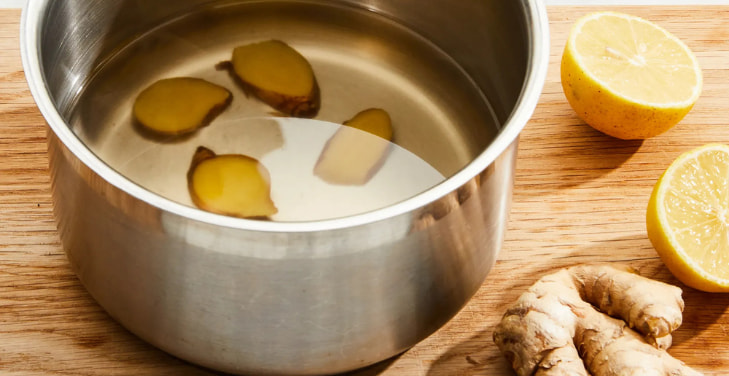
Fresh ginger tea is easy to prepare and supports digestion, warmth, and everyday wellness.
What Is Fresh Ginger Tea?
Fresh ginger tea is a warm beverage made directly from fresh ginger, offering a mildly spicy, deeply warming flavor and a pleasant sensation from the first sip. This tea is popular in daily life due to its simple preparation and clear nutritional value. When fresh ginger is boiled in water, it releases active compounds, creating a tea that is both rustic and highly versatile.
Natural Composition of Fresh Ginger Tea
Fresh ginger tea contains gingerol, shogaol, and natural essential oils. These active compounds create its characteristic aroma, warming sensation, and pleasant feeling for the digestive system. The high water content allows for rapid absorption of dissolved nutrients.
Why Fresh Ginger Is Used Instead of Powder
Fresh ginger retains its natural enzymes and volatile essential oils. The slicing or crushing process activates a stronger flavor and provides a distinctly fresh sensation when enjoying the tea.
The Role of Fresh Ginger Tea in Daily Wellness
Fresh ginger tea helps maintain body temperature, gently stimulates digestion, and promotes a regular habit of drinking warm water. This beverage fits into daily routines, especially in the morning or when relaxation is needed.
Choosing the Right Fresh Ginger Root
Selecting the right fresh ginger directly impacts the flavor, warmth, and quality of fresh ginger tea. A standard ginger root possesses fresh energy, a distinct aroma, and a firm texture. From the selection stage, ginger tea forms the foundation for a complete nutritional and taste experience.
Visual and Texture Indicators
Fresh ginger has a smooth skin, a bright yellow color, and a taut surface. A firm, heavy ginger root indicates a high water content. When gently broken, the inner flesh reveals a light yellow color and a crisp texture.
Aroma as a Quality Signal
A clear, warm, and quickly spreading ginger aroma reflects abundant natural essential oils. The aroma appears immediately upon lightly scraping the thin skin, indicating that the ginger retains its full bioactive compounds.
Size and Shape Considerations
Ginger roots with short branches and thick stems allow for even slicing and stable flavor extraction. A compact shape helps control the dosage when brewing tea daily.
Tools and Ingredients You’ll Need
Preparing the right tools and ingredients ensures a smooth brewing process and consistent flavor of fresh ginger tea. Each element plays a role, from extracting active ingredients to preserving the natural aroma of fresh ginger. The simplicity of preparation makes it easier to maintain a regular tea-drinking habit.
Essential Kitchen Tools
A small, thick-bottomed pot ensures stable water heating. A sharp knife helps to cut the ginger neatly and evenly. A clean cutting board maintains hygiene and preserves the original flavor.
Core Ingredients
High-quality fresh ginger provides a distinct aroma and a deep, warm flavor. Pure filtered water makes the tea clear, refreshing, and easy to drink.
Optional Flavor Additions
Fresh lemon provides a refreshing sensation. Honey adds a gentle sweetness and balances the warm spiciness. Mild herbs enhance the flavor depth.
Serving Accessories
A heat-resistant cup maintains a stable temperature while enjoying the tea. A fine strainer makes the tea clearer and easier to drink.
Preparing Fresh Ginger for Brewing
The preparation of fresh ginger determines the extraction speed and flavor depth of fresh ginger tea. When processed correctly, ginger releases its essential oils evenly, creating a distinct warm taste and a spreading aroma. A few simple steps help optimize nutritional value from the start.
Cleaning and Surface Preparation
Ginger is washed under running water to remove natural impurities. The thin skin retains essential oils and characteristic aroma. Gentle cleaning preserves the ginger's structure.
Peeling Choices and Flavor Impact
Thin peeling results in a milder and clearer tea flavor. Leaving some of the skin intact provides a distinctly warm and spicy aroma. Flexible processing allows for adjustment of flavor intensity.
Cutting, Slicing, or Crushing
Thinly sliced ginger provides a balanced and stable flavor. Crushed ginger releases essential oils quickly and strongly. The preparation method directly affects the tea-drinking experience.
How to Make Ginger Tea Using Fresh Ginger
The process of brewing fresh ginger tea is simple but crucial to its flavor and taste. When done correctly, the fresh ginger releases its essential oils, creating a distinct warmth and a pleasant aftertaste. Each step contributes to a balanced cup of tea.
Water-to-Ginger Ratio
A common ratio is about 5–7 slices of fresh ginger for 500 ml of water. This amount of ginger provides a moderate warmth, a clear aroma, and an easy-to-drink sensation for everyday consumption.
Heating and Simmering Process
The water is gently boiled before adding the ginger. Simmering helps the active ingredients dissolve evenly and maintains the natural aroma.
Steeping for Optimal Extraction
Steeping for 10–15 minutes creates the right intensity. The ginger aroma gradually spreads, and the flavor profile becomes well-rounded.
Straining and Serving
The tea is strained to remove the ginger residue for clarity. A warm cup of tea is ready for a relaxing and pleasant experience.
Ideal Brewing Time and Temperature
Brewing time and temperature directly determine the intensity, aroma, and warmth of fresh ginger tea. When these two factors are well controlled, the tea achieves a well-rounded, easy-to-drink flavor and consistent quality. Precision in the brewing process ensures each cup of tea delivers a consistent experience.
Optimal Water Temperature
Water temperature around a gentle boil allows the ginger essential oils to diffuse evenly. This temperature activates the warm, spicy aroma and preserves the natural freshness of the tea.
Brewing Duration Sweet Spot
A brewing time of 10 to 15 minutes creates a clear depth of flavor. The tea achieves a harmonious intensity and a warm sensation from the first sip.
Adjusting Strength to Preference
A shorter brewing time results in a light and refreshing taste. A longer brewing time enhances the ginger flavor and prolongs the aftertaste, suitable for individual tea-drinking habits.
Flavor Enhancements and Natural Add-Ins
The addition of natural ingredients gives fresh ginger tea a multi-layered flavor profile and makes it easy to incorporate into your daily routine. Each added ingredient brings its own nuance, rounding out the flavor and expanding the tea-drinking experience. The harmonious combination creates a balanced and pleasant sensation.
Citrus Additions for Freshness
Fresh lemon provides a light sourness and bright aroma. Thinly sliced lemon peel adds a delicate layer of fragrance, making the tea refreshing and easy to drink.
Natural Sweeteners
Honey provides a gentle sweetness and a smooth aftertaste. Raw plant-based sugars provide a well-rounded flavor, suitable for familiar tastes.
Herb and Spice Pairings
Cinnamon, lemongrass, or mint add depth of aroma. Mild herbs enrich the tea, making it a more enjoyable and emotionally resonant experience.
How Often to Drink Fresh Ginger Tea
The frequency of drinking fresh ginger tea directly affects how your body feels and the maintenance of a healthy habit. When incorporated into a reasonable daily routine, ginger tea becomes a natural part of your daily rhythm. Regularity provides a stable and pleasant experience.
Daily Consumption Rhythm
One to two cups a day create a warm and soothing feeling in the body. This habit fits into daily routines and supports water balance.
Best Time of Day
Morning provides a gentle start. Afternoon helps relax and recharge after work. The timing of drinking is flexible to suit individual lifestyles.
Listening to Body Signals
The body clearly responds through feelings of comfort and well-being. Adjusting the amount you drink according to your personal feelings helps maintain long-term harmony.
Common Mistakes to Avoid When Brewing Ginger Tea
Brewing fresh ginger tea may seem simple, but it still requires attention to detail. Common mistakes directly affect the flavor, warmth, and overall drinking experience. Identifying the correct mistakes helps ensure consistent tea quality and a more enjoyable drinking experience.
Using Ginger Pieces Too Thick
Ginger slices that are too thick reduce the extraction of essential oils. Thin slices or lightly crushed ginger help the flavor spread more evenly and quickly in the tea.
Excessive Boiling Time
Prolonged boiling time makes the ginger taste harsh and the aroma unbalanced. Simmering gently maintains a well-rounded flavor profile and a smooth drinking experience.
Improper Storage of Fresh Ginger
Ginger stored in a dry and well-ventilated environment retains its freshness and natural aroma. Proper storage conditions support consistent tea quality each time it is brewed.
Skipping Straining Step
Skimming the tea helps create a clear and easy-to-drink beverage. A clean cup of tea provides a more complete tea-drinking experience.
Conclusion
Fresh ginger tea embodies a harmonious blend of simple habits and practical nutritional value. From selecting the ginger, preparing it, brewing it, to enjoying it, each step contributes to a complete experience.
This beverage offers a warm, comforting feeling and fits seamlessly into daily life. With proper preparation and frequency, fresh ginger tea becomes a familiar, sustainable, and valuable choice for a healthy lifestyle.
Frequently Asked Questions (FAQs)
- Can fresh ginger tea be drunk every day? – Fresh ginger tea can be consumed daily in moderation. It supports a warm drinking habit and helps maintain a comfortable and steady daily rhythm.
- How much ginger should be used for a cup of tea? – About five to seven thin slices of fresh ginger are typically used for one cup of tea, creating a balanced flavor and inviting aroma.
- When is the best time to drink fresh ginger tea? – Fresh ginger tea works well in the morning for a refreshing start or in the afternoon to unwind. The timing can be adjusted to suit personal routines.
- Can honey be added to fresh ginger tea? – Honey complements fresh ginger tea by adding mild sweetness and a smooth finish, making it easier and more enjoyable to drink.
- Does fresh ginger tea need to be drunk while still hot? – Fresh ginger tea is most enjoyable when served warm, as warmth enhances its aroma and provides a comforting sensation.
