
Clove tea offers an interesting perspective on health care using familiar herbs. This beverage provides a distinctly warm sensation and a relaxing feeling from the very first sip.
From a nutritional standpoint, clove tea represents a way to utilize natural essential oils through heat and water. The simple brewing process gently releases the active ingredients, creating a characteristic warm, spicy flavor and a tea-drinking experience that is easily incorporated into daily life.
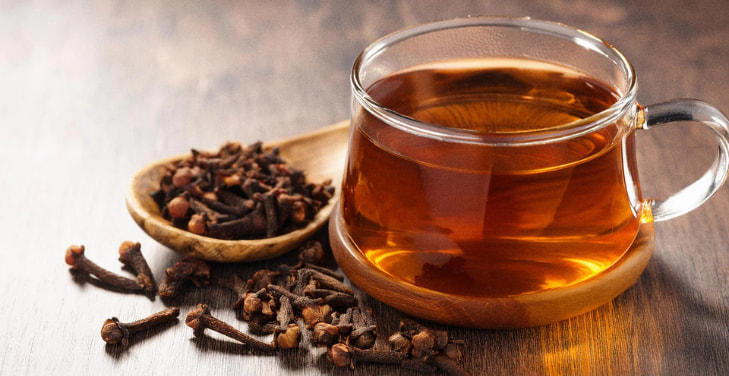
Clove tea is easily prepared by simmering whole cloves in water.
What Is Clove Tea Made From?
Clove tea is made from simple yet highly bioavailable ingredients. As a nutritionist, I view this tea as a simple herbal extract, focusing on its natural active ingredients and solubility in hot water.
Whole Cloves as the Core Ingredient
The main ingredient of clove tea is whole clove buds. Clove buds contain natural essential oils, phenolic compounds, and highly active eugenols. When heated, these compounds diffuse evenly into the water, creating the tea's warm color and characteristic spicy aroma.
Why Whole Cloves Are Preferred
Whole clove buds retain their biological structure and stable essential oil content. The boiling or steeping process slowly releases nutrients, resulting in a deep flavor and a distinctly warm sensation with every sip.
The Role of Water in Extraction
Water serves as the extraction medium. High temperatures accelerate the dissolution of active ingredients, helping to blend the aroma and subtle spiciness into a balanced, easily perceived, and readily absorbed tea experience.
Choosing Quality Whole Cloves
Selecting high-quality whole clove buds directly impacts the flavor and nutritional value of clove tea. From a nutritional perspective, I consider this a fundamental step toward achieving optimal, consistent extraction efficiency.
Visual Characteristics
High-quality cloves are characterized by their uniform dark brown color and intact surface. Firm buds, straight stems, and clearly defined flower heads reflect a high content of natural essential oils, readily released upon contact with hot water.
Aroma as a Quality Signal
A warm, spicy aroma that spreads upon opening the lid is an important biological indicator. A distinct clove scent shows that the essential oils are preserved, contributing to the tea's depth of flavor when brewed.
Texture and Oil Content
When pressed lightly, cloves feel firm and slightly glossy. This characteristic indicates a cell structure rich in oil, supporting the dissolution of active ingredients in water.
Source and Storage Awareness
Cloves with a clear origin, stored in a dry environment, maintain consistent quality. Appropriate storage conditions help preserve their aroma and biological value over time.
Tools and Ingredients You'll Need
Preparing the right tools and ingredients helps clove tea achieve consistent extraction and a well-rounded flavor. From a nutritional perspective, each ingredient directly contributes to the dissolution of active ingredients and the overall drinking experience.
Essential Kitchen Tools
A small, thick-bottomed pot helps distribute heat evenly during brewing. A kettle or household stove provides stable heat. A measuring spoon helps control the amount of cloves precisely. A fine strainer keeps the tea clear and easy to drink. A heat-resistant cup retains the temperature during use.
Core Ingredients for Clove Tea
High-quality whole clove buds contain natural essential oils and active phenolic compounds. Clean water acts as an extraction solvent, helping the warm, spicy aroma spread and nutrients dissolve effectively. This combination creates a solid foundation for a pure, easy-to-brew, and highly sensory cup of clove tea.
Ideal Clove-to-Water Ratio
The ratio of cloves to water directly determines the strength, aroma, and warming sensation of clove tea. As a nutritionist, I consider this a technical factor that ensures the stable release of active ingredients and easy perception in each sip.
Standard Ratio for Daily Use
The common ratio is 3–5 cloves per 250 ml of water. This creates a distinctly mild spicy aroma, a warm color, and a balanced flavor profile, suitable for daily use.
Adjusting Strength Intentionally
Increasing the number of cloves enhances the tea's aroma and provides a faster-spreading warming sensation. Slightly reducing the amount of cloves results in a lighter, more palatable taste, suitable for evening consumption.
Extraction Efficiency Matters
The appropriate amount of water helps essential oils and phenolic compounds diffuse evenly. The correct ratio supports complete extraction, allowing the body to naturally absorb the flavor and bioavailability.
Step-by-Step Brewing Instructions
The process of brewing clove tea from whole clove buds is simple but requires attention to sequence and temperature. From a nutritional perspective, each step helps activate and release the maximum amount of beneficial compounds in cloves.
Preparing the Ingredients
Whole clove buds are measured in the appropriate ratio and quickly rinsed under clean water. Filtered water is prepared to ensure a pure and stable extraction environment.
Heating the Water
Water is heated until small, even bubbles appear. High temperatures allow essential oils and phenolic compounds to begin to diffuse strongly.
Simmering the Cloves
Cloves are added to hot water and simmered for 5–10 minutes. This process creates a warm color, a spreading spicy aroma, and a well-rounded flavor profile.
Straining and Serving
The tea is filtered through a fine sieve and poured into a heat-resistant cup. The distinct aroma and warm sensation create a pleasant and balanced tasting experience.
Boiling vs. Steeping Methods
Two common methods for brewing clove tea are boiling and steeping. From a nutritional perspective, each approach produces a distinct extraction rhythm, thereby affecting aroma, flavor intensity, and the warming sensation.
Boiling Method Characteristics
The boiling method uses direct heat for a short time. High temperatures quickly activate the clove essential oils, resulting in a distinctly spicy aroma and a darker color. This method is suitable when a cup of tea with deep flavor and a strong warming sensation is desired, with the effect felt from the first sip.
Steeping Method Characteristics
The steeping method uses hot water and a natural waiting time. This process allows for the slow release of active ingredients, resulting in a mild, well-rounded, and easy-to-drink flavor. The light tea structure provides a balanced experience, suitable for relaxing moments and leisurely tea enjoyment.
Flavor Adjustments and Add-Ins
The flavor of clove tea can be easily adjusted to suit individual tastes and purposes. From a nutritional perspective, adding natural ingredients expands the sensory experience and adds depth to the flavor profile.
Natural Sweeteners
Honey, raw sugar, or herbal syrups provide a gentle sweetness and a smooth aftertaste. The natural sweetness blends with the warm, spicy notes of cloves, creating a well-rounded and enjoyable flavor.
Citrus and Fresh Elements
Orange peel, lemon slices, or a few drops of citrus juice highlight the aroma and add a bright accent. This combination delivers a refreshing, balanced sensation with every sip.
Complementary Spices
Cinnamon, ginger, or cardamom adds warm and deep layers of flavor. These spices naturally connect with cloves, giving the tea a rich, lingering, and memorable flavor profile.
Storage and Reheating Tips
Proper storage and reheating of clove tea help maintain its aroma, flavor profile, and sensory value over time. From a nutritional perspective, controlling temperature and storage conditions ensures a consistent enjoyment experience.
Proper Short-Term Storage
Clove tea should be allowed to cool naturally and poured into clean, airtight glass bottles. Refrigeration helps preserve the warm color and mild spicy aroma. Short storage time maintains freshness and a well-rounded flavor.
Reheating for Best Flavor
Reheating the tea on the stovetop at a moderate temperature allows the aroma to gradually re-release. Stable heat releases the clove essential oils, providing a warm, pleasant sensation when drinking.
Serving After Reheating
The tea should be poured into a heat-resistant cup immediately after reheating. The distinct flavor and balanced warmth create a seamless and enjoyable drinking experience.
Conclusion
Clove tea offers a simple yet deeply sensory herbal experience. The careful selection of ingredients, the ingredient ratios, and the brewing method ensure the full release of clove essential oils, creating a distinct, warm, spicy aroma.
Proper brewing results in a beautiful color, a stable aroma, and a naturally warm sensation. Regular consumption supports a refined and easily achievable tea-drinking experience at home.
Discover an easy and aromatic clove tea recipe for daily herbal enjoyment.
Frequently Asked Questions (FAQs)
-
What ingredients are used to make clove tea?
Clove tea is prepared using whole clove buds and water. When heated, the essential oils and active compounds from the cloves infuse into the water, producing a warm, spicy aroma and rich color. -
How many cloves should I use for a cup of tea?
Typically, 3–5 clove buds per 250 ml of water create a balanced taste and aroma. This ratio delivers warmth without overwhelming the palate. -
Is boiling or steeping better for clove tea?
Boiling results in stronger extraction, deeper color, and a bolder aroma, while steeping offers a gentler, smoother flavor. The method depends on how intense you want the tea to be. -
What ingredients can be added to clove tea to make it more palatable?
Honey, cinnamon, ginger, and orange peel are popular additions. They balance the spice, add depth to the aroma, and create a comforting sensory experience. -
How long should clove tea be stored?
Store clove tea in a sealed glass bottle in the refrigerator and consume it within a short time. This helps maintain freshness, aroma, and consistent flavor.
