
Thousands of years ago, this small fruit appeared in ancient European and Eastern medical texts, and it was honored as a golden therapy for cardiovascular health and blood circulation.
Today, with the support of modern science, Hawthorn Berry has become the focus of functional nutrition strategies, thanks to its ability to deeply affect endothelial cells, regulate blood pressure, and be a powerful antioxidant.
It is no coincidence that this fruit is being repositioned as a new generation of "cardiovascular superfood."
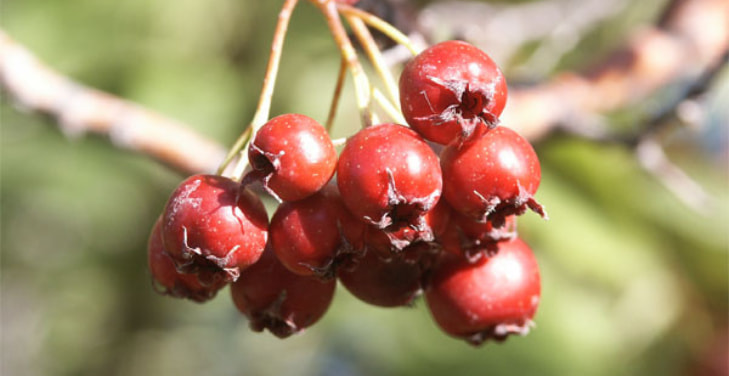
Hawthorn berry is widely used to support cardiovascular health.
What is Hawthorn Berry?
Hawthorn Berry—scientific name Crataegus—is a fruit that grows on hawthorn trees. It belongs to the Rosaceae family and is found mainly in temperate regions of Europe, North America, and Asia. This fruit has long been considered a symbol of life and cardiovascular strength in traditional medicine, with profound medicinal value spanning many centuries.
Outstanding active ingredients
Hawthorn Berry contains high levels of flavonoids, OPCs (oligomeric proanthocyanidins), ursolic acid, and vitexin – biologically active substances with anti-inflammatory, cell-protective, and blood circulation-improving properties. These compounds create a powerful "biological shield" for the body.
Role in traditional and modern medicine
In traditional European and Chinese medicine, Hawthorn Berry treats heart disease and digestive disorders and improves blood circulation. Modern science has proven many biological effects of this fruit, especially in supporting the cardiovascular system, reducing cholesterol, and protecting the nerves. This is the perfect bridge between ancient knowledge and modern functional medicine.
Nutrition Facts of Hawthorn Berry
Nutrition Facts of 100 grams (3.5 ounces) of Hawthorn Berry include:
- Calories: 52
- Fats: 0.3g - 0% of the Daily Value (DV)
- Sodium: 1mg - 0% of the DV
- Carbs: 13g - 5% of the DV
- Fiber: 3.6g - 14% of the DV
- Protein: 1g
- Calcium: 30mg - 3% of the DV
- Iron: 0.6mg - 8% of the DV
- Potassium: 250mg - 7% of the DV
- Copper: 0.1mg - 11% of the DV
- Folate (B9): 20μg - 5% of the DV
- Magnesium: 10mg - 2% of the DV
- Manganese: 0.1mg - 5% of the DV
- Niacin: 0.4mg - 3% of the DV
- Pantothenic acid: 0.2mg - 4% of the DV
- Phosphorus: 20mg - 3% of the DV
- Riboflavin (B2): 0.05mg - 3% of the DV
- Selenium: 0.5μg - 1% of the DV
- Thiamine: 0.1mg - 7% of the DV
- Vitamin B6: 0.1mg - 7% of the DV
- Zinc: 0.2mg - 2% of the DV
Hawthorn Berry Vitamins and Minerals
Hawthorn berries are a source of a variety of important vitamins and minerals, which play an indispensable role in maintaining overall health. Their rich nutritional composition supports many physiological functions of the body.
Vitamin C and E – Powerful Antioxidants
Hawthorn Berry is rich in vitamin C, a powerful antioxidant that helps protect cells from free radical damage. The vitamin E in this fruit also protects the cardiovascular system and improves skin health, reducing signs of aging.
Vitamin A – Supports Vision and Immunity
Hawthorn Berry also provides vitamin A, which is important for vision and the immune system. Vitamin A supports cell growth and regeneration while enhancing the body's natural immunity.
Minerals – Magnesium, Potassium and Iron
The magnesium and potassium in hawthorn berries help maintain electrolyte balance, regulate blood pressure, and support nerve function. Iron is a mineral that is essential for the production of red blood cells, helping to improve blood health and prevent anemia.
Health Benefits of Hawthorn Berry
Hawthorn Berry – also known as Hawthorn – is a long-standing superfood in traditional European medicine, known as "the heart of nature." With high concentrations of flavonoids, oligomeric proanthocyanidins (OPCs), and phenolic acids, this small fruit possesses outstanding biological power, profoundly affecting overall health, especially the cardiovascular system.
Enhance cardiovascular function
Hawthorn Berry helps improve blood flow to the heart muscle, stabilize heart rate, and naturally reduce blood pressure. Its antioxidant compounds protect blood vessel walls, reduce atherosclerosis, and effectively support vasodilation.
Support the nervous system and reduce anxiety
Hawthorn Berry extract can calm the sympathetic nervous system, helping reduce nervousness, anxiety, and insomnia. This is an ideal herbal choice for those who are under prolonged psychological pressure.
Antioxidant and Cell Protection
With its ability to neutralize free radicals, Hawthorn Berry protects cells from oxidative damage – a factor associated with aging and many dangerous chronic diseases.
Side Effects of Hawthorn Berry
Although Hawthorn Berry is praised as a golden herb for cardiovascular health, using the wrong dose or being unsuitable for the body can still lead to adverse reactions. Understanding the side effects is essential in using Hawthorn Berry scientifically and safely in a nutritional regimen or supportive treatment.
Digestive disorders and blood pressure
Some people may experience nausea, abdominal pain, bloating, or mild diarrhea due to reactions to phenolic compounds. In addition, Hawthorn Berry can reduce blood pressure too much if used in high doses or combined with antihypertensive drugs, leading to dizziness or lightheadedness.
Complex pharmacological interactions
Hawthorn Berry has the potential to interact with cardiovascular drugs such as digoxin, beta-blockers, and diuretics, increasing or decreasing the drug's effects and causing arrhythmia or electrolyte imbalance. People with heart conditions should consult a healthcare professional before use.
Allergic reactions and sensitivities
In rare cases, allergic reactions such as rash, itching, swelling of the lips, or difficulty breathing have been reported. People with a history of allergies to plants in the Rose family should use caution when using Hawthorn Berry.
Discover the potential dangers of hawthorn berry and when its use might pose health risks.
Tips for Choosing Hawthorn Berry
Choosing a high-quality Hawthorn Berry is key to maximizing the biological benefits of this superfood. In a diverse market that sometimes lacks transparency about its origin, consumers need to be equipped with in-depth knowledge to make accurate and safe choices.
Prioritize organic and wild-harvested sources
Hawthorn Berries grown in an organic environment without the use of pesticides and preservatives will retain the highest concentration of biologically active substances. Prioritize products that clearly state the harvest region, preferably from Europe or Asia, where the climate is suitable for the natural growth of hawthorn trees.
Check the extraction standards and dosage forms
For functional foods, choose products that are standardized according to the content of flavonoids or OPCs. The concentrated extract (extract standardized) is often more effective than the raw powder. Capsules, herbal teas, and tinctures are common forms, each with different levels of absorption and bioavailability.
Ensure Quality and Purity Testing
Choose products that are certified by reputable organizations such as GMP or USDA Organic or independently tested by a third party. These standards help ensure that Hawthorn Berry products are free of heavy metals, mold, or harmful additives.
Tips for preparing Hawthorn Berry
With its biological structure rich in polyphenols and flavonoids, Hawthorn Berry requires skillful processing methods to preserve maximum pharmacological activity. Proper preparation improves absorption efficiency and expands the scope of application from medicinal herbs to functional foods.
Freeze-dried or natural-drying
For fresh fruits, freeze-drying retains the active molecular structure, helping to preserve the integrity of flavonoids and OPCs. If dried, avoid direct sunlight to limit biological oxidation, choose a well-ventilated place, and avoid mold.
Making tea and decocting medicinal herbs in standard proportions
Hawthorn Berry can be made into tea by steeping 5–10g of dried fruit with 300ml hot water for 10–15 minutes. To increase bioavailability, it can be combined with red dates or licorice. For medicinal purposes, boiling in a clay pot over low heat is recommended to extract the active ingredients thoroughly.
Soaking in alcohol or making a medicinal tincture (tincture)
Soaking the dried fruit in 40% alcohol or food alcohol at a ratio of 1:5 for 2–4 weeks is a method of creating a strong extraction solvent. This tincture can be used as a drop under the tongue, helping it quickly absorbed into the circulatory system.
Tips for Adding Hawthorn Berry to Your Diet
To maximize the biological potential of Hawthorn Berry in your daily diet, combining taste, appearance, and metabolic effects is important. Integrating it into familiar dishes makes this medicinal fruit an essential part of your nutritional strategy for disease prevention and optimal heart health.
Making it into jam or fruit sauce
Hawthorn Berry has a mildly sour taste and a sweet aftertaste, making it ideal for making jam with whole wheat bread or making fruit sauce with oatmeal and Greek yogurt. Add a little raw honey and ginger to increase anti-inflammatory activity when cooking.
Incorporating it into herbal stews or soups
Dried fruit can be cooked with stewed bones, chicken, or Chinese herbal soups to support blood circulation and digestion. Hawthorn's tannin structure helps neutralize animal fats, making the dish easier to digest.
Sprinkle on cereal or functional smoothies
Hawthorn Berry powder can be mixed into green smoothies, bowls, or overnight oats. It creates a superior antioxidant combination with spinach, berries, and chia seeds.
Frequently Asked Questions About Hawthorn Berry
- Is Hawthorn Berry suitable for people taking heart medications?
Hawthorn Berry may interact with beta-blockers, diuretics, or digoxin. People on heart treatment should consult a healthcare professional before taking supplements to avoid altering the bioavailability of the drug. - When should Hawthorn Berry be taken for optimal effectiveness?
Early morning or 30 minutes before meals is ideal for Hawthorn Berry to maximize its effects, especially with standardized extracts to support circulation and stabilize blood pressure. - Should children and pregnant women use Hawthorn Berry?
Due to the lack of clinical data on safety, children and pregnant or lactating women should avoid taking Hawthorn Berry unless directly prescribed by a nutritionist or physician. - Is fresh or dried Hawthorn Berry more bioavailable?
If properly processed (freeze-dried, sealed), dried Hawthorn Berries are usually more stable in active ingredients, easier to store, and suitable for long-term medicinal and supplement preparations. - Can Hawthorn Berry be used long-term?
It can be used long-term with reasonable dosage and regular body reaction monitoring. However, there should be a break between doses to avoid biological adjustment or active ingredient tolerance.
