
Ginger root tea possesses the power of a small beverage with a profound impact on the body. Just one warm cup is enough to trigger a noticeable sense of balance and well-being.
This herbal drink is intertwined with daily life, from starting the day to relaxing at the end of the day. Its warm, spicy aroma, naturally refreshing taste, and clear physiological benefits make ginger root tea a trusted choice for proactive health care.
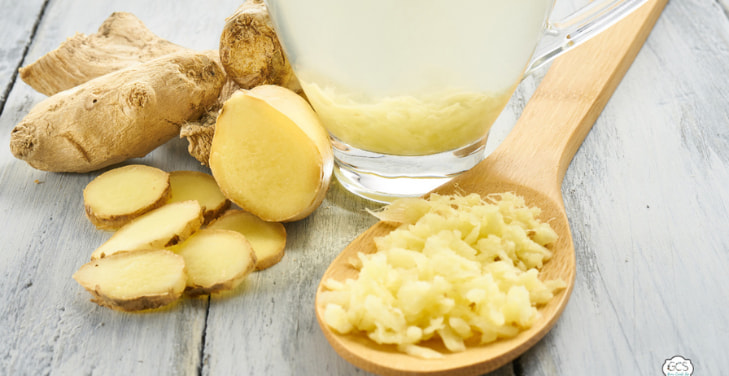
Ginger root tea is a herbal infusion valued for digestive, immune, and warming support.
What Is Ginger Root Tea Made From
Each cup of ginger tea begins with a familiar yet biologically rich ingredient, often found in many traditional and modern ginger tea recipes. Ginger root tea is made from fresh ginger root harvested at the right time, retaining its natural energy and characteristic warm, spicy flavor.
Fresh Ginger Rhizome
The core ingredient of ginger root tea is the ginger rhizome, the underground part that accumulates essential oils and active compounds. Fresh ginger root has a firm, fibrous structure, a strong aroma, and a spicy flavor that spreads quickly when it comes into contact with hot water.
Minimal Processing Ingredients
Ginger root tea uses ginger in the form of thin slices, crushed, or shredded. This simple process helps preserve the essence while naturally releasing flavor and nutrients into the tea.
Water as an Extraction Medium
Hot water acts as an activator and a carrier of the ginger's active ingredients. The appropriate temperature helps the essential oils diffuse evenly, creating a warm, flavorful drink that is easily appreciated from the first sip.
Key Active Compounds in Ginger Root
Ginger root possesses a multi-layered spectrum of active compounds, contributing significantly to the biological value of ginger tea. These molecules are produced during rhizome growth and exert their potent effects upon contact with hot water.
Gingerol
Gingerol plays a central role in the chemical structure of ginger. This compound creates the characteristic warm, spicy sensation and activates physiological responses related to digestion and circulation.
Shogaol
Shogaol forms when ginger is heated. This molecule is highly active, giving ginger tea a rich, deep flavor and a rapidly spreading warming effect throughout the body.
Zingerone
Zingerone has a mild aroma, balances the spiciness, and contributes to a pleasant aftertaste. This compound contributes to the overall taste experience of ginger root tea.
Volatile Oils
Volatile oils containing sesquiterpenes and monoterpenes. This group of compounds diffuses the aroma, promotes relaxation, and enhances the natural appeal of each cup of tea.
Ginger Root Tea vs. Other Ginger-Based Drinks
Ginger root tea is a pure beverage that clearly reflects the nature of ginger root in hot water. Each type of ginger drink is formulated for a specific purpose, creating a distinct physiological experience and sensation.
Whole Root Infusion Profile
Ginger root tea uses fresh or dried ginger rhizomes directly, allowing the active ingredients to dissolve naturally as the temperature rises. This extraction method maintains the original aroma, evenly distributed warm spiciness, and a pleasant sensation when drunk slowly.
Processed Ginger Beverages
Ginger drinks in powder, syrup, or bottled form are usually processed. The flavor is pre-defined, the taste is clear, convenient, and consistent for quick daily needs.
This diversity allows users to flexibly choose a form of ginger consumption that suits their habits, timing, and health goals.
How Ginger Root Tea Supports Digestion
Ginger root tea directly impacts the digestive system through clear biological mechanisms and natural physiological rhythms. This warm beverage activates a feeling of lightness in the stomach, creating a favorable foundation for the absorption and processing of food.
Stimulating Gastric Motility
The active compounds in ginger promote gastric peristalsis. This process supports the smooth movement of food, helping to quickly reduce bloating and maintain post-meal comfort.
Enhancing Digestive Secretions
Ginger root tea stimulates the secretion of digestive juices. Enzymes and gastric juices work more effectively, helping food to be evenly broken down and smoothly absorbed in the intestines.
Supporting Gut Comfort
The warmth from ginger tea spreads throughout the abdominal cavity. This effect helps relax smooth muscles, stabilize contractions, and provides a lasting feeling of comfort, especially when consumed after a main meal.
Immune and Circulatory Benefits
Ginger root tea simultaneously impacts the immune and circulatory systems through a harmonious combination of warmth and bioactive compounds. This beverage facilitates the body's ability to maintain balance and adapt well to environmental changes.
Supporting Immune Readiness
Compounds such as gingerol and shogaol activate biological responses related to the immune barrier. This process helps immune cells function more efficiently, supporting the body's rapid response to external factors.
Enhancing Blood Flow
The warmth of ginger root tea promotes peripheral vasodilation. Blood flow becomes smoother, delivering oxygen and nutrients to tissues more effectively, while creating a warming sensation throughout the body.
Warming Systemic Effect
The warming effect of ginger tea deeply impacts the circulatory system. The body maintains a stable temperature, feelings of coldness decrease rapidly, and overall energy is naturally activated.
How to Brew Ginger Root Tea at Home
Brewing ginger root tea at home is a simple process, but it requires attention to detail to fully extract the flavor and active ingredients. Each step contributes to shaping the warmth, aroma, and overall taste.
Selecting Fresh Ginger Root
Fresh ginger root, firm with smooth skin and a distinct aroma, provides optimal tea quality. The root is rich in essential oils, creating a warm, spicy base that spreads evenly during brewing.
Preparing the Ginger
The ginger is washed, thinly sliced, or lightly crushed. This preparation increases the surface area, supporting efficient extraction.
Brewing with Hot Water
Hot water is poured directly over the ginger. Steeping for 5 to 10 minutes allows the active ingredients to dissolve evenly, resulting in a clear tea with a distinct aroma.
Finishing and Serving
The tea is strained and poured into a cup while still warm. The ginger aroma is subtle, and the spicy, warm flavor is distinct, making it ideal for slow, deep enjoyment.
Best Time and Ways to Drink Ginger Root Tea
The timing and method of drinking ginger root tea directly affect physiological sensations and the absorption of its active ingredients. When consumed in line with your circadian rhythm, ginger tea fully leverages its warming properties and supports overall well-being.
Morning Consumption
Drinking ginger root tea in the morning helps awaken the digestive system and activate circulation. The warmth spreads quickly, creating a feeling of alertness and lightness from the start of the day.
After-Meal Use
Ginger tea after meals supports smooth digestion. The warm, spicy flavor helps stabilize the stomach and maintain a lasting feeling of comfort.
Seasonal and Weather-Based Drinking
Ginger root tea is suitable for cold or humid weather. This drink helps the body retain heat, supports blood circulation, and provides a noticeable feeling of well-being.
Mindful Drinking Practice
Drinking ginger tea slowly allows the body to fully absorb its flavor and energy. This habit enhances relaxation and improves the overall experience.
Taste Variations and Pairing Ideas
Ginger root tea has a distinctly warm and spicy base flavor, making it ideal for developing subtle flavor variations. The right pairings make ginger tea easy to drink, multi-layered, and rich in sensory experience.
Lemon and Citrus Notes
Fresh lemon or orange peel adds a light sourness, highlighting the ginger flavor and providing a refreshing sensation. Natural citrus essential oils brighten and lighten the tea.
Honey and Natural Sweeteners
Honey adds a gentle sweetness, balancing the warm spiciness of ginger. This combination creates a soothing sensation in the throat and enhances the enjoyment of regular drinking.
Herbal Pairings
Mint, cinnamon, or lemongrass broaden the flavor profile of ginger root tea. These herbs add characteristic aromas, making the tea-drinking experience deeper and more complete with each sip.
Safety Considerations and Daily Intake
Ginger root tea is highly safe when used in the correct dosage and according to individual needs. Understanding the daily intake limits helps optimize benefits and maintain long-term physiological stability.
Recommended Daily Amount
The typical amount of ginger root tea is 1 to 3 cups per day. This level allows the body to steadily absorb the active ingredients, maintaining a warming effect and supporting natural physiological functions.
Sensitivity Awareness
Individuals with sensitive constitutions often feel the warming effect of ginger tea more clearly. Starting with a small amount allows the body to adapt gently and maintain a pleasant feeling with regular use.
Interaction with Physiological Conditions
Ginger root tea supports a healthy lifestyle. Purposeful use, linked to meals or fixed times of day, helps the body react more harmoniously and stably.
Conclusion
Ginger root tea is a herbal beverage with clear physiological benefits. From its natural ingredients to its simple brewing method, ginger tea creates a direct connection between flavor and bodily function.
This beverage supports digestion, promotes circulation, and maintains a stable feeling of warmth. Regular and timely consumption helps the body adapt flexibly and maintain balance each day.
Frequently Asked Questions (FAQs)
- Can ginger root tea be drunk daily? – Ginger root tea can be enjoyed daily in reasonable amounts. Regular consumption supports warmth, digestion, and a stable daily rhythm.
- When is the best time to drink ginger root tea? – The best times are in the morning or after meals, when its warmth and mild spiciness help stimulate digestion and maintain comfort.
- Should ginger root tea be made with fresh or dried ginger? – Fresh ginger provides a brighter aroma and flavor, while dried ginger offers a deeper, warmer taste. Both are suitable depending on preference and brewing style.
- What ingredients can ginger root tea be combined with? – Ginger root tea pairs well with lemon, honey, cinnamon, or mint, enhancing flavor and creating a more enjoyable tea experience.
- Who should pay attention to the dosage when drinking ginger root tea? – Individuals with sensitive systems should start with smaller amounts to allow the body to adapt gently and maintain long-term balance.
