
Delicata squash, with its graceful elongated shape and distinctive striped skin, is a winter squash that boasts a rich, buttery flavor with the subtle sweetness of sweet potatoes. Its thin, edible skin makes it an ideal ingredient for dishes without complicated preparation. Inside, it packs a nutritional punch, from beta-carotene to aid vision, potassium to help balance blood pressure, and fiber to promote healthy digestion. A perfect combination of deliciousness and surprising health benefits.
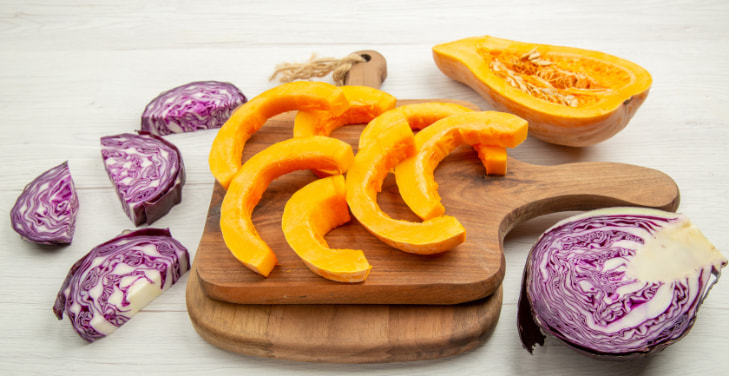
Delicata Squash is a flavorful, vitamin-rich winter squash with a creamy texture and naturally sweet taste.
What is Delicata Squash?
Delicata squash, also known as the art squash, is a long, cylindrical winter squash with creamy skin streaked with vibrant green or orange. Dubbed the “miniature butternut squash” for its sweet, creamy flavor that blends sweet potato and pumpkin, Delicata offers a rich, sophisticated culinary experience. The special feature is the thin, soft skin that can be eaten directly after processing, eliminating the hassle of peeling like many other squash varieties.
Inside is a treasure trove of nutrients: rich in vitamins A and C, fiber, and powerful antioxidants, supporting immunity, improving digestion, and protecting the cardiovascular system. The complex carbohydrate content helps maintain sustainable energy without causing blood sugar spikes. Thanks to its smooth, creamy texture and natural sweetness, Delicata becomes an ideal ingredient for many dishes, from baking, stir-frying, and stuffing to pureeing into soups. Fall and winter are the perfect times to enjoy this squash, enjoying its warm, enchanting flavor.
Nutrition Facts of Delicata Squash
Nutrition facts of 100 grams (3.5 ounces) of Delicata Squash include:
- Calories: 40
- Fats: 0.1g - 0% of the Daily Value (DV)
- Sodium: 4mg - 0% of the DV
- Carbs: 9g - 3% of the DV
- Fiber: 1.5g - 5% of the DV
- Protein: 0.9g
- Calcium: 20mg - 2% of the DV
- Iron: 0.4mg - 2% of the DV
- Potassium: 350mg - 7% of the DV
- Copper: 0.05mg - 6% of the DV
- Folate (B9): 18μg - 5% of the DV
- Magnesium: 16mg - 4% of the DV
- Manganese: 0.1mg - 5% of the DV
- Niacin: 0.6mg - 4% of the DV
- Pantothenic acid: 0.3mg - 6% of the DV
- Phosphorus: 35mg - 5% of the DV
- Riboflavin (B2): 0.03mg - 2% of the DV
- Selenium: 0.3μg - 1% of the DV
- Thiamine: 0.03mg - 3% of the DV
- Vitamin B6: 0.1mg - 6% of the DV
- Zinc: 0.2mg - 2% of the DV
Vitamins and Minerals in Delicata Squash
Delicata squash is a nutritional treasure trove with many essential vitamins and minerals that help the body maintain optimal health. Vitamin A is present in impressive amounts, converted from beta-carotene, which protects vision, boosts the immune system, and maintains radiant skin. Vitamin C, a powerful antioxidant, stimulates collagen production, aids wound healing, and enhances iron absorption.
The minerals in Delicata squash are also extremely diverse. Potassium is abundant, helping to balance blood pressure and optimize muscle and nerve function. Magnesium supports over 300 enzyme reactions in the body, from energy metabolism to protein synthesis. Manganese, an important trace mineral, plays an essential role in bone formation and protects cells from oxidative damage. The combination of iron, zinc, folate, and copper in this squash helps boost red blood cell production, supports brain function, and boosts metabolism, keeping the body running smoothly and efficiently.
Health Benefits of Delicata Squash
Delicata squash is a nutritional powerhouse, providing outstanding benefits for overall health. Its high beta-carotene content is converted into vitamin A, which helps improve vision, protect the retina from oxidative damage, and support immune function. The abundant vitamin C in this squash promotes collagen production, increases skin elasticity, and improves iron absorption, reducing the risk of anemia.
Delicata squash is rich in fiber, which helps improve digestion, maintains blood sugar stability, and creates a feeling of fullness for a long time, supporting effective weight control. Potassium in squash helps regulate blood pressure, optimizes cardiovascular function, and reduces the risk of stroke. Magnesium and manganese play an important role in bone formation, enhance energy metabolism, and protect cells from oxidative stress. Delicata squash's perfect combination of micronutrients helps the body function sustainably, reduces inflammation, and optimizes overall physiological performance.
Side Effects of Delicata Squash
Delicata squash offers many health benefits, but consuming it in moderation can lead to some potential side effects. Despite being nutritious, this squash can still affect the body in unwanted ways, especially for people with specific health conditions or strict diets.
Hyperglycemia for Diabetics
Although Delicata squash contains complex carbohydrates and has a relatively low glycemic index, it can contribute to high blood sugar when consumed in large quantities. People with diabetes need to control their portion sizes to avoid affecting blood glucose stability.
Food Allergies and Sensitivities
Some people may experience an allergic reaction or sensitivity to squash, resulting in symptoms such as itching, rashes, or indigestion. If you have a history of allergies to other squashes, be cautious when trying Delicata squash.
Digestive Effects Due to High Fiber Content
While fiber is essential for the digestive system, consuming too much can cause gas, bloating, or diarrhea, especially in people with sensitive bowels or irritable bowel syndrome (IBS).
Interactions with Blood Pressure Medications
With its high potassium content, Delicata squash may affect people who are taking diuretics or blood pressure medications. Excessive consumption can lead to electrolyte imbalances, which can be dangerous for people with heart disease.
Risk of contamination if stored improperly
Squash stored in damp conditions can develop mold or bacteria, increasing the risk of food poisoning. Make sure to buy fresh squash, store it in a dry place, and wash it thoroughly before cooking to ensure safety.
Tips for Choosing Delicata Squash
Choosing a quality Delicata squash affects its taste and determines its nutritional value. A good fresh squash should have a firm texture, bright color, and no signs of damage. Here are some important factors to help you choose the perfect squash.
Look at the color and pattern of the skin
Delicata squash has cream-colored skin with dark green or orange stripes. The brighter the color, the higher the beta-carotene content. Avoid squash with soft spots, cracks, or dark areas, as these may be signs of damage or dehydration.
Check the firmness and weight
Delicata will have firm skin that does not dent easily when pressed lightly. When picked up, the squash should feel heavy for its size, indicating freshness and abundant water content.
Pay attention to the stem
A thick, firm, dry stem signifies a properly ripe and well-preserved squash. If the stem is soft, moist, or shows signs of mold, the squash has likely begun to decompose from the inside.
Avoid overly large or overly small squash
Overly large squash may be fibrous and less sweet, while undersized squash may not have reached optimal ripeness. Medium-sized squash, around 6-8 inches (15-20 cm), are usually the best choice.
Tips for Preparing Delicata Squash
Delicata squash is a wonderful ingredient with a smooth texture, natural sweetness, and edible skin, making it easy and versatile to prepare. Proper preparation and cooking techniques are needed to maximize the flavor and nutritional value.
Clean thoroughly before cooking
The skin of Delicata squash is edible but should be washed to remove dirt and bacteria. Use a soft brush to scrub gently under running water to ensure food safety.
Cut and remove seeds easily
Use a sharp knife to cut both squash ends, then split it in half lengthwise. The seeds can be scooped out with a spoon and used to roast until crispy, adding nutritional value.
Choose the right cooking method
Roasting helps to concentrate the natural sweetness and create an attractive caramel layer. A quick stir-fry with olive oil and spices gives it a delicious, chewy texture. Steaming retains maximum moisture and vitamins, making it a healthy snack.
Incorporate spices to enhance flavor
Delicata squash pairs well with cinnamon, nutmeg, black pepper, or herbs like rosemary sage. A little honey or balsamic vinegar will bring out the squash's natural sweetness, creating the perfect balance of flavors.
