
Digestive, endocrine, and metabolic health are becoming prominent concerns in modern society, where a diet rich in green vegetables is considered the foundation of a healthy body. However, not all vegetables have the same impact on everyone.
Romanesco Broccoli, with its characteristic spiral shape and complex nutritional profile, contains numerous bioactive compounds that directly impact the digestive system, thyroid function, and blood circulation.
Understanding the potential risks and how to safely consume Romanesco is an essential step to maintaining overall health and preventing long-term metabolic disorders.
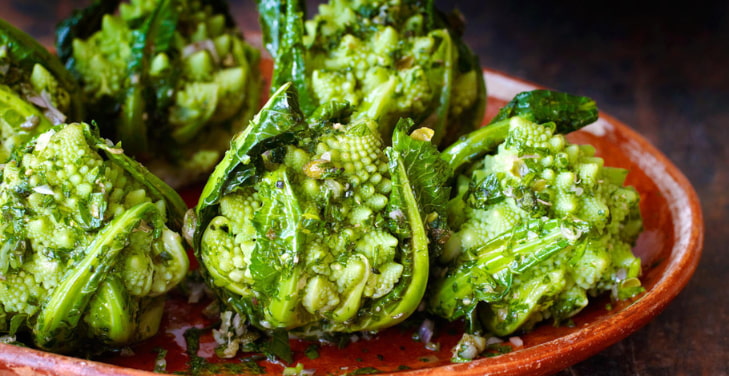
Romanesco broccoli is a nutritious option, but it may cause health issues for individuals with sensitive reactions.
What Is Romanesco Broccoli?
Romanesco Broccoli is fascinating, from its shape to its biological structure. Each flower branch creates a perfect spiral according to the Fibonacci ratio, representing the harmony between natural science and geometric art in the plant world.
Origin and Appearance
Romanesco is native to Italy and belongs to the Brassicaceae family, the same family as broccoli and cauliflower. The pale green color mixed with yellow and the fractal structure create a distinct and sophisticated appearance.
Nutritional Composition
This vegetable contains high levels of vitamin C, vitamin K, folate, and carotenoids, which play a role in the antioxidant process and support DNA synthesis. The rich fiber content helps maintain stable bowel movements and improve blood sugar metabolism.
Culinary and Health Value
Romanesco is favored in cuisine for its light taste and crunchy texture. In nutrition, it is considered a plant food source rich in bioactive compounds, which help to strengthen cell health and enhance natural immunity.
Digestive Discomfort and Bloating
Romanesco Broccoli offers significant digestive benefits, but in some cases, the digestive system can react strongly to the fiber structure and complex carbohydrates inside. Feelings of bloating or flatulence often occur due to natural fermentation in the gut.
Role of Fiber and Raffinose
Romanesco contains dietary fiber and raffinose, an oligosaccharide that is difficult to break down in the small intestine. When it reaches the large intestine, it is metabolized by intestinal bacteria, producing hydrogen and carbon dioxide – the main causes of bloating and abdominal discomfort.
Impact on Gut Motility
High fiber intake stimulates peristalsis, helping to increase intestinal motility. However, when eaten in excess, osmotic pressure in the intestinal lumen increases, causing mild spasms and a feeling of fullness.
Digestive Support Tips
Cooking Romanesco at the right temperature reduces the amount of raffinose, making it easier for the body to absorb nutrients while maintaining a healthy gut microbiome.
Thyroid Function and Goitrogenic Compounds
Romanesco Broccoli contains biological compounds that have a direct effect on thyroid function, especially when consumed frequently. These compounds affect the hormone synthesis mechanism, thereby regulating the body's metabolic rate.
Goitrogenic Substances
Romanesco contains goitrogens, mainly glucosinolates and isothiocyanates. When metabolized by the body, they form thiocyanate ions, which can compete with iodine absorption in the thyroid gland, affecting the formation of thyroxine (T4) and triiodothyronine (T3).
Thyroid Hormone Regulation
The thyroid gland responds delicately to these chemical changes by regulating hormone production to maintain homeostasis. Small changes in iodine intake can alter the rate of thyroid hormone biosynthesis.
Safe Consumption Guidance
Cooking Romanesco reduces goitrogenic activity through thermal denaturation, helping to maintain healthy thyroid function while still ensuring the necessary nutrient absorption.
Allergic Reactions and Sensitivities
Romanesco Broccoli can trigger an immune response in people with sensitivities. The immune system recognizes plant proteins as allergens, triggering a complex chain of biological reactions within the body.
Immunological Mechanism
Proteins in Romanesco trigger an IgE-mediated response, which causes the release of histamine and cytokines from mast cells and basophils. This process causes local and systemic manifestations, including erythema, angioedema, and oral burning.
Clinical Manifestations
Allergic reactions may manifest as urticaria, lip swelling, bronchospasm, or acute gastrointestinal disturbances. These signs indicate an overactive immune system's response to a harmless protein component.
Medical Attention and Safety
People with a history of allergy to the Brassicaceae family should be monitored when trying Romanesco for the first time. Consulting an allergist can help assess the degree of sensitivity and guide safe tolerance.
Interference with Blood Thinners
Romanesco Broccoli contains high levels of vitamin K, a nutrient that plays a key role in the coagulation cascade. When consumed in large amounts, it can interfere with the effectiveness of anticoagulant medications.
Role of Vitamin K in Coagulation
Vitamin K1 (phylloquinone) is involved in activating clotting factors such as prothrombin (factor II), factors VII, IX, and X. Increased levels of vitamin K in the blood stimulate the liver to synthesize more of these factors, altering the body's natural anticoagulant ability.
Interaction with Anticoagulants
Drugs such as warfarin work by inhibiting vitamin K epoxide reductase, the enzyme responsible for recycling vitamin K. When vitamin K is increased through dietary intake, this process is disrupted, making the medication less effective.
Clinical Guidance
Individuals on anticoagulant therapy should maintain a steady intake of vitamin K in their diet. Consulting with a nutritionist helps to establish the appropriate Romanesco intake, ensuring a balance between therapeutic efficacy and nutritional benefits.
Food Safety and Contamination Risks
Romanesco Broccoli is a fresh food that is susceptible to environmental and storage conditions. Pathogenic microorganisms can grow on the surface of the vegetable if hygienic conditions or storage temperatures are not strictly controlled.
Microbial Contamination
The surface of Romanesco has a fractal spiral structure with many small crevices, which facilitates the adhesion of bacteria such as Escherichia coli, Salmonella spp., and Listeria monocytogenes. Consuming it without washing it significantly increases the risk of foodborne illness.
Handling and Washing Practices
Washing Romanesco with clean, running water helps remove most microorganisms and dirt. Soaking in a sodium bicarbonate solution or dilute salt water significantly reduces the bacterial load.
Storage and Temperature Control
Storage at 1–4°C helps maintain biological freshness and prevents the growth of aerobic bacteria. Maintaining a stable cold chain is essential to ensure food safety and minimize the risk of contamination.
Overconsumption Risks
Consuming more Romanesco Broccoli than necessary can put physiological stress on the digestive system and nutrient metabolism. The body responds by adjusting the absorption, excretion, and balance of micronutrients in the blood.
Digestive Overload
A high dietary fiber content can strongly stimulate intestinal motility, leading to flatulence and abdominal distension. Fermentation of fiber in the colon produces gas and organic acids, which can cause discomfort in individuals with sensitive intestines.
Nutrient Imbalance
High amounts of vitamin K and folate can affect the coagulation profile and homocysteine metabolism. The accumulation of glucosinolates increases the detoxification burden on the liver through the cytochrome P450 enzyme system.
Recommended Intake
A reasonable portion size ranges from 100 to 150 g per serving, with a frequency of 3 to 4 times per week. This distribution helps maintain optimal nutritional benefits without causing metabolic disturbances or overloading the digestive system.
Safe Ways to Enjoy Romanesco Broccoli
Romanesco Broccoli exhibits its highest nutritional value when prepared and combined properly. Each cooking method not only changes the chemical structure but also determines the absorption of nutrients and reduces health risks.
Optimal Cooking Methods
Steaming at 90–95°C for 5–7 minutes helps preserve vitamin C and carotenoids, while reducing the activity of goitrogenic compounds. Blanching briefly in boiling water helps break down the enzyme myrosinase, optimizing digestibility.
Nutrient Synergy
Pairing Romanesco with foods rich in omega-3 fatty acids or olive oil helps increase the absorption of fat-soluble antioxidants. Adding a plant-based protein source, such as quinoa or lentils, creates a balance of amino acids and energy.
Practical Consumption Tips
Store Romanesco in an airtight container at 3°C and use within 3 days. Maintaining a reasonable diet helps the body receive adequate micronutrients while maintaining stable metabolism and immune function.
Conclusion
Romanesco Broccoli is a perfect natural structure combining geometry and nutrition. Each flower branch contains a powerful source of bioenergy, bringing benefits to the digestive, metabolic, and immune systems.
However, the body needs intelligent regulation in the way it consumes. Moderate amounts, correct processing, and scientific preservation help maintain optimal nutritional value.
Romanesco is not just food, but also a symbol of sophistication in functional cuisine, where nutritional science and biological art meet to nourish sustainable health.
Frequently Asked Questions (FAQs)
- Is Romanesco Broccoli Allergenic? - Romanesco can cause an IgE-mediated reaction in people sensitive to the Brassicaceae family. Symptoms include itching, swelling of the lips, or mild gastrointestinal upset. It is important to monitor your body's reaction after eating it for the first time.
- Can people with thyroid disease eat Romanesco? - Thyroid patients can eat cooked Romanesco to reduce goitrogenic activity. Heat alters the glucosinolates, enabling the thyroid gland to maintain stable hormone levels and absorb iodine more effectively.
- Does Romanesco affect anticoagulants? - The amount of vitamin K1 in Romanesco can affect the effectiveness of warfarin. Individuals on treatment should maintain a stable intake and consult a doctor to adjust the dose as needed.
- Is it safe to eat raw Romanesco? - Raw Romanesco retains its enzymes and antioxidants, but is susceptible to E. coli or Salmonella. Thorough washing and quick blanching in boiling water help reduce bacterial load, ensuring digestive safety.
- How much Romanesco should you eat per week? - A 100–150 g serving, 3–4 times per week, helps maximize the absorption of vitamin C, fiber, and carotenoids. This amount supports energy metabolism, maintains the immune system, and protects cells effectively.
