
Chickpeas, those little legumes that look like tiny balls, have been part of diets worldwide for a long time. They're also called garbanzo beans, and they're not just tasty – they're really good for you too. Whether you're a fan of their smoothness in hummus, their crunch in salads, or their heartiness in stews, chickpeas are a versatile ingredient that brings both yumminess and health benefits. Let's take a closer look at chickpeas, learning about where they come from, what's good about them, and how people use them in cooking everywhere.
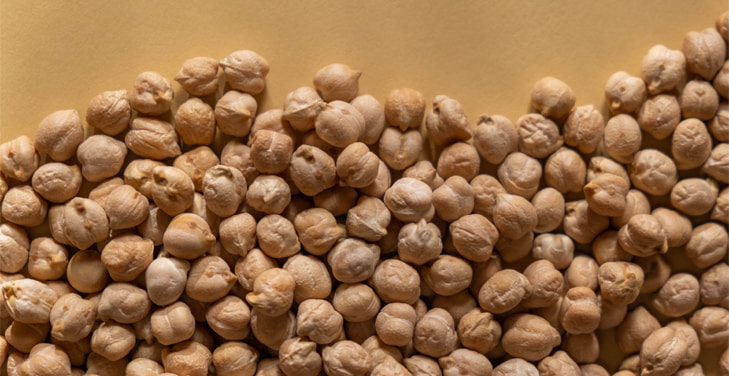
Chickpeas, also known as garbanzo beans, are nutritious legumes commonly used in a variety of dishes worldwide.
What Are Chickpeas?
Chickpea is a type of legume. It is a member of the family Fabaceae and the subfamily Faboideae. It also goes by the name gram or garbanzo bean. The seeds of this plant are high in protein. They are commonly eaten for their nutritious and versatile properties.
Chickpeas have a distinctive taste and texture. They have a nutty, rich flavor and are a great addition to baked goods. They can also be used in salads, stews, and pizzas. You can find them at most major grocery stores and online. They are typically sold in 16 or 32-ounce cans or one-pound bags. You can also buy them in bulk. You can also find them at Middle Eastern and Indian grocers.
One cup of cooked chickpeas contains 80% of the recommended daily value for manganese, a mineral for energy, strong bones, and immunity. Additionally, chickpeas contain more than 20% of the recommended daily value for folate and 20% of the recommended daily dose for magnesium, which helps regulate blood sugar and blood pressure. They also contain high amounts of potassium and zinc, necessary for healthy kidney, heart, and nerve function.
Studies have shown that eating chickpeas can lower blood cholesterol. In addition to lowering total cholesterol, they also reduce LDL (bad) cholesterol, reducing cardiovascular disease risk. Additionally, chickpeas contain soluble fiber, which helps lower cholesterol levels.
Nutrition Facts of Chickpeas
A cup of cooked chickpeas has nearly 15 grams of protein per serving. Protein is essential for virtually every function in the human body, including building strong bones and managing blood sugar levels. It also creates necessary antibodies and helps the body heal from injuries. However, chickpeas are not complete proteins because they contain only some of the nine essential amino acids.
Nutrition facts of 100 grams (3.5 ounces) of chickpeas include:
- Calories: 364
- Fat: 6 g 9%
- Sodium: 24 mg - 1% of the Daily Value (DV)
- Potassium: 875 mg - 25% of the DV
- Carbohydrates: 61 g - 20% of the DV
- Fiber: 17 g - 68% of the DV
- Sugar: 11 g
- Protein: 19 g - 38% of the DV
- Vitamin C: 6% of the DV
- Iron: 34% of the DV
- Vitamins: B6 25% of the DV
- Magnesium: 28% of the DV
- Calcium: 10% of the DV
Vitamins and Minerals
Chickpeas are an excellent source of several vitamins and minerals, including magnesium, phosphorus, iron, zinc, and folate. They also contain good amounts of vitamins B and A. Magnesium helps deal with PMS symptoms, and zinc and iron are important for bone health. They also help prevent anemia and improve blood quality.
Chickpeas are also a good source of essential protein. They are a good alternative to meat for vegans and vegetarians alike. They contain high amounts of fiber and protein and are an excellent source of all nine essential amino acids. They are also low in calories, making them a filling food source.
Increasing your consumption of chickpeas can also help you meet your recommended amount of legumes. One cup of chickpeas contains about 2 cups of legumes, and four tablespoons of traditional chickpea hummus can provide up to 2.5 cups each week. Furthermore, four tablespoons of chickpea hummus provide up to 25 grams of dietary fiber. These nutrients also help you meet the recommended daily intake of protein.
Chickpeas are also rich in polyunsaturated fat, which is good for your health. Garbanzo beans contain omega-3 fatty acids and plant-based alpha-linolenic acid (ALA), essential for raising HDL cholesterol (the 'good' cholesterol). Additionally, chickpeas contain soluble fiber, which is critical for binding LDL cholesterol. So, chickpeas are an excellent option if you are looking for a heart-healthy meal that is low-fat and gluten-free.
Health Benefits of Chickpeas
Chickpeas contain a high fiber content - half a cup of canned chickpeas contains about 6 grams or 24% of your recommended daily fiber intake. This fiber is soluble and insoluble and helps your body process food more easily. It also helps lower blood cholesterol and glucose levels. In addition, chickpeas help prevent constipation. However, if you are prone to bloating and gas, avoiding eating too many of them at once is best.
Moreover, chickpeas are also high in iron, zinc, magnesium, and vitamin A. These nutrients have essential roles in the body and may help reduce your risk of various types of cancer. In particular, chickpeas contain beta carotenes, which reduce the growth of cancer cells. These nutrients can also help improve the condition of your heart and help reduce LDL cholesterol. Moreover, chickpeas also contain plenty of vitamin B, which can help improve your overall health and reduce your blood pressure.
Chickpeas are also fiber-rich, which can help regulate blood sugar levels. This can help people with diabetes reduce their risk of developing type 2 diabetes. In addition, fiber can control your appetite, which may help you lose weight.
Chickpeas are high in vitamin K, and their high content of vitamin K2 (menaquinone) has been linked to a lower risk of cardiovascular disease. Vitamin K2 is vital for maintaining healthy blood vessels and inhibits calcium from building up in the arteries. It also contributes to bone health. Vitamin E is also found in chickpeas, protecting the body from pathogens.
Side Effects
Chickpeas, also called garbanzo beans, are eaten by many folks worldwide because they're good for you and can be cooked in many ways. While chickpeas have a bunch of health perks, it's smart to know about some downsides that could come with eating them. Here are a few normal issues people might have with chickpeas:
1. Gas and Tummy Trouble: Chickpeas have carbs and fiber that some folks might have trouble digesting. This can cause gas, feeling puffy in the belly, and tummy aches.
2. Allergies: Though it's not common, some folks could be allergic to beans like chickpeas. Allergy signs could be mild, like itching or swelling, or serious, like trouble breathing. If you think you're allergic, get help from a doctor.
3. Tummy Problems: Sometimes, having too many chickpeas or not cooking them right can mess with your tummy. You might get diarrhea or belly cramps. Make sure to cook them well and eat just the right amount.
4. Kidney Stones: Chickpeas have oxalates, which can cause kidney stones in some folks, especially if they're already prone to getting them. If you've had kidney stones before, talk to a doctor before you eat too many chickpeas.
5. Things That Stop Nutrients: Chickpeas have stuff that stops your body from using some good minerals like calcium, iron, and zinc. But if you soak, sprout, or cook chickpeas right, these things disappear, and your body can use the minerals.
6. Gout Woes: Chickpeas have some stuff called purines. If you're someone who gets gout or might get it, eating too many purine foods can give you painful joints. Don't overdo chickpeas if gout is a worry for you.
7. Messing with Meds: Chickpeas have things that could mess with how some meds work or get into your body. If you take meds, ask a doctor if eating chickpeas is okay.
8. Gaining Weight: Even though chickpeas are full of good stuff, eating too many without thinking about calories could make you gain weight. Eat chickpeas as part of a good mix of foods.
9. Tummy Sensitivity: Chickpeas have things that could bug your tummy if you have a sensitive gut. If you get tummy aches, bloating, or gut issues from certain foods, chickpeas might be a problem.
Tips for Choosing Chickpeas
When picking chickpeas, you can remember a few things to make sure you're getting the good ones. Whether you're getting them in a can or dried, here are some things to think about to help you pick the right chickpeas for your cooking:
1. Look for Same-Sized Ones: If you choose dried or canned chickpeas, choose the same size and color. This shows they were sorted well, which means they'll cook evenly and have a similar texture.
2. Canned Chickpeas: Check the Can: If you're getting canned chickpeas, see if they can have any bumps, bulges, or damage. Damaged cans might mean the food could be better or could be spoiled. Pick cans that look good.
3. Dried Chickpeas: See if it's Clean: If you're buying dried chickpeas, make sure the bag or box isn't dirty or torn. Dirt or dampness can mess up how long the chickpeas last.
4. Look at the Date: No matter if they're canned or dried, always check the date that says when they're best to use. Fresher chickpeas will taste and feel better.
5. Color and Feel: Chickpeas should all be the same color, like light tan or beige. Avoid chickpeas that look weird because they could be spoiled.
6. No Extra Stuff: When you're picking canned chickpeas, try to get ones with as few extra things added as possible. Just water and a bit of salt is best. This way, you can make them taste like what you want.
7. Dried Chickpeas: If Buying in Big Containers: If you're getting dried chickpeas from big containers, ensure the bins are clean and covered so nothing bad gets in. Also, check to make sure no water or bugs are in there.
8. Watch Out for Rocks: Not often, but sometimes you might find small rocks or dirt mixed in with dried chickpeas. Just take a quick look and remove anything that shouldn't be there before cooking.
9. Think About Organic: If you're worried about chemicals, you could try to find organic chickpeas. These are grown without the bad stuff, which might be what you're looking for.
10. Store Them Right: Once you buy dried chickpeas, put them in a dry, cool spot in a container that seals tight. This stops them from getting wet or having bugs in them. Keep canned chickpeas in a dark, cool place until you're ready to use them.
11. What You Like: Depending on what you're making, you might like bigger or smaller chickpeas. Try different sizes and see what works best for you.
Tips for Preparing Chickpeas
When you're getting chickpeas ready, having a few tricks up your sleeve helps make them turn out great. Whether you're using dried chickpeas or the ones from a can, these pointers will help you get your chickpeas set for your cooking:
1. Wash Dried Chickpeas: If you're using dried chickpeas, rinse them under cold water before you start cooking. This gets rid of any dirt or extra starch.
2. Soak Dried Chickpeas: To cook them better and faster, you can soak dried chickpeas. Put them in a bowl, cover them with water, and let them sit for 8-12 hours or overnight.
3. Quick Soak Method: If you're in a hurry, you can do a quick soak. Put dried chickpeas in a pot, cover them with water, boil them, and let them sit for an hour. After that, drain and rinse them before cooking.
4. Drain Canned Chickpeas: When using canned chickpeas, drain and rinse them under cold water. This helps take away extra salt and the liquid they're canned in.
5. Take Off Skins: If you want smoother hummus or to cut down on gas, consider taking off the skins from cooked chickpeas. It takes some time but can make a difference in some dishes.
6. Cook Dried Chickpeas: Drain and rinse the dried chickpeas after they're soaked. Please put them in a pot, cover them with water, and let them come to a boil. Then, lower the heat and let them simmer until soft, usually around 1 to 1.5 hours.
7. Cook Canned Chickpeas: They're already cooked if you're using canned chickpeas. You can use them as they are or warm them up if your recipe asks.
8. Check If They're Done: Whether you're cooking dried or canned chickpeas, taste one to see if it's ready. It should be soft but not mushy.
9. Add Flavor While Cooking: To make chickpeas tastier, think about adding things like garlic, onion, or herbs to the water while they're cooking.
10. Salt at the End: Put salt in toward the end of cooking if you're cooking dried chickpeas. Adding it at the start can make them tough.
11. Use the Cooking Liquid: The liquid left from cooking chickpeas, aquafaba, can be used instead of eggs in vegan baking or as a base for sauces and dressings.
12. Store Right: After you cook chickpeas, put them in a container that seals well and keep them in the fridge for 3-4 days. You can also freeze them for longer.
13. Get Creative: Once ready, chickpeas can be used in various dishes like salads, soups, stews, curries, hummus, or roasted for a crispy snack.
Tips on Including Chickpeas in Meal
Using chickpeas as a meal is a great way to get more protein and fiber in your diet. You can also use them in soups and salads. You can also serve them over mashed potatoes or squash for a satisfying meal. They can also be used as a vegetarian alternative to meat.
Chickpeas are low in fat and contain a high amount of protein. They are also an excellent source of fiber and are one of the most nutritious foods on the planet. They are also a low-calorie source of protein and are great for weight loss. You can prepare a chickpea meal in various ways, from a salad to a savory dip.
To prepare chickpeas:
- Rinse them before cooking them.
- Please place them in a large pot and cover them with at least 2 inches of water.
- Boil them for about 5 minutes, remove them from the heat, and let them cool.
Cooked chickpeas are then ready for use in any recipe. They can also be stored in the fridge for several days.
Chickpeas are an excellent meat alternative for vegetarians, and there are many ways to incorporate them into your meal. You can eat them whole or mashed, in salads, and even in desserts!
