
Beetroot is emerging as a major part of the modern nutrition movement, closely linked to active lifestyles and natural, food-based health care. New research continues to highlight the role of beetroot in supporting circulation and optimizing body performance.
The popularity of beetroot juice, functional foods, and nitrate-rich diets reflects the growing interest in cardiovascular health. Beetroot has become a strategic choice in nutrition science and wellness globally.
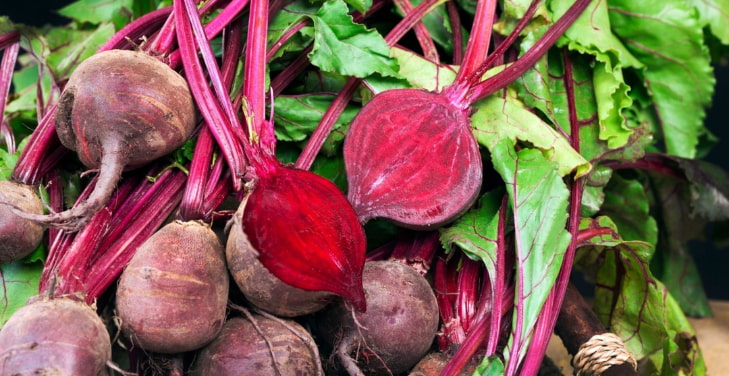
Beetroot is rich in nitrates that help support healthy blood pressure.
What is Beetroot?
Beetroot is a nutrient-dense root vegetable that is highly valued in nutrition and preventative medicine. It gets its characteristic red color from betalains, a group of bioactive compounds. Beetroot is commonly found in healthy diets due to its high nutrient density and ability to support multiple organ systems.
Botanical and Nutritional Identity
Beetroot is a member of the Amaranthaceae family and contains dietary nitrate, folate, vitamin C, potassium, and dietary fiber. These micronutrients are directly involved in energy metabolism and circulatory regulation.
Key Bioactive Compounds
Betalains, inorganic nitrates, and polyphenols act as antioxidants, anti-inflammatory agents, and endothelial-supportive compounds. These compounds positively impact vascular function at the cellular level.
Physiological Role
Dietary nitrate in beetroot is converted to nitric oxide, which supports vasodilation and blood flow. This process is closely related to cardiovascular health and exercise performance.
Dietary Significance
Beetroot is suitable for therapeutic nutrition and can be used flexibly in fresh, cooked, juice, or functional food forms, contributing to sustainable health optimization.
Nutrition Facts of Beetroot
The nutritional value of beetroot stems from its high micronutrient density and its ability to support overall metabolism. Every 100 grams of beetroot provides light energy and is rich in minerals, B vitamins, and circulatory support compounds, making it suitable for clinical nutrition and daily diets.
Nutrition facts of 100 grams (3.5 ounces) of Beetroot include:
- Calories: 37
- Fats: 0.1g – 0% of the Daily Value (DV)
- Sodium: 1mg – 0% of the DV
- Carbs: 9g – 3% of the DV
- Fiber: 2.8g – 10% of the DV
- Protein: 0.4g
- Calcium: 6mg – 1% of the DV
- Iron: 0.3mg – 4% of the DV
- Potassium: 99mg – 2% of the DV
- Copper: 0.05mg – 6% of the DV
- Folate (B9): 6μg – 2% of the DV
- Magnesium: 6mg – 2% of the DV
- Manganese: 0.3mg – 13% of the DV
- Niacin: 0.4mg – 3% of the DV
- Pantothenic acid: 0.1mg – 2% of the DV
- Phosphorus: 13mg – 2% of the DV
- Riboflavin (B2): 0.03mg – 2% of the DV
- Selenium: 0.1μg – <1% of the DV
- Thiamine: 0.02mg – 2% of the DV
- Vitamin B6: 0.1mg – 5% of the DV
- Zinc: 0.1mg – 1% of the DV
Health Benefits of Beetroot
Beetroot offers remarkable health benefits due to its high concentration of bioactive compounds and pronounced physiological effects. This root is widely used in nutrition science because of its direct effects on circulation, metabolism, and body performance.
Cardiovascular Support
Dietary nitrate in beetroot converts to nitric oxide, which activates vasodilation and increases blood circulation. This mechanism supports blood pressure regulation and improves endothelial function.
Exercise Performance Enhancement
Nitric oxide helps increase oxygen delivery to skeletal muscle, improving aerobic capacity and muscular efficiency. Beetroot is often used in sports nutrition to optimize endurance and recovery.
Metabolic and Digestive Health
Dietary fiber promotes stable gut motility and glucose metabolism. Phytonutrients support insulin sensitivity and energy utilization.
Antioxidant Protection
Betalains act as powerful antioxidants, supporting cellular defense and reducing oxidative stress. This activity supports long-term health maintenance and healthy aging.
Cognitive and Circulatory Function
Improved cerebral blood flow helps support overall cognitive performance and vascular integrity.
Possible Side Effects or Risks
Beetroot produces characteristic physiological responses when consumed regularly or at high doses. Discover the potential dangers of eating beetroot and when it may cause digestive or urinary issues. These responses reflect the body's adaptation to the potent active compounds in natural dietary supplements.
Beeturia Phenomenon
Pigment betalains pass through the urinary system, causing beeturia, which is characterized by changes in urine and stool color. This is a common metabolic reaction associated with pigment absorption.
Gastrointestinal Response
The dietary fiber and fermentable compounds strongly stimulate gut motility. Some people experience marked abdominal activity in the early stages of beetroot supplementation.
Oxalate Load
Beetroot provides oxalates, which are involved in renal metabolism. This mechanism is associated with urinary crystal formation in susceptible individuals.
Blood Pressure Modulation
Dietary nitrate promotes nitric oxide synthesis, leading to rapid vasodilation. This reaction produces a distinct feeling of altered circulatory dynamics in some individuals.
Drug Interaction Potential
The high biological activity of beetroot affects the pharmacokinetics of cardiovascular-regulating medications.
Tips for Choosing Beetroot
The choice of high-quality beetroot directly determines the nutritional value and biological effectiveness when used. Each morphological feature reflects the density of active ingredients and the freshness of the plant tissue.
Visual Appearance
Quality beetroot possesses a deep, uniform red-purple color and a smooth surface. This pigmentation indicates a high content of betalains and polyphenols.
Texture and Firmness
A firm, heavy root with a dense texture indicates intact plant cells. Good elasticity indicates stable vascular tissue and water content.
Size and Maturity
A medium-sized beetroot represents the optimal growth stage. This stage maintains a balance between dietary nitrate, fiber, and micronutrients.
Skin and Root Tail
A thin, undamaged skin indicates the integrity of the epidermal layer. An intact root tail reflects minimal post-harvest stress.
Organic and Handling
Organically cultivated beetroot results in minimal agrochemical residues, safely supporting long-term dietary intake and therapeutic nutrition.
Storage Tips
Proper storage of beetroot helps maintain the nutrient density and bioactivity of important compounds. Appropriate storage conditions directly affect the stability of the enzyme and the cellular integrity of the root.
Temperature Control
A stable low temperature slows the enzymatic activity and respiration rate of beetroot. A cool environment helps maintain vitamin content and betalain pigments.
Humidity Balance
Moderate humidity keeps plant tissue hydrated and cell structure stable. This balance helps limit water loss and tissue stress.
Leaf Removal Practice
Separating the leaves before storage helps redistribute nutrients to the root. This practice maintains energy reserves and root firmness.
Containers and Packaging
Using breathable containers supports physiological gas exchange. This packaging maintains a stable metabolic environment during storage.
Cooked Beetroot Storage
Cooked beetroot retains its quality when stored in sealed glass containers. This method effectively maintains food safety and nutrient retention.
Tips for Preparing Beetroot
The preparation of beetroot directly affects its ability to retain nutrients and maintain bioactivity. Proper processing helps optimize bioavailability and nutritional efficiency upon consumption.
Washing and Cleaning
Gently rinsing under running water helps to remove surface impurities and environmental microorganisms. This action protects the outer tissue and preserves the root tissue structure.
Peeling Method
Keeping the peel thin during cooking helps to limit nutrient leaching. The epidermal layer acts as a natural biological barrier.
Thermal Processing
Steaming and roasting methods maintain betalain stability and vitamin content. Controlled temperatures help to reduce enzymatic degradation.
Cutting Technique
Cutting beetroot after cooking helps to limit polyphenol loss. The monolithic structure preserves the cellular matrix more effectively.
Juicing and Blending
Liquid processing accelerates the absorption of dietary nitrate and antioxidant compounds. This form is suitable for functional nutrition and performance-focused diets.
Tips for Adding Beetroot to Your Meals
Beetroot is easy to incorporate into your daily diet thanks to its distinctive flavor and high nutritional value. The right combination maximizes its physiological effects and metabolic value.
Fresh and Raw Applications
Freshly shredded beetroot is suitable for salads and functional bowls. This form retains dietary nitrate, enzyme activity, and antioxidant capacity.
Cooked Meal Integration
Steamed or roasted beetroot blends well in main and side dishes. Controlled cooking maintains mineral bioavailability and fiber structure.
Juices and Smoothies
Beetroot juice supports rapid nitric oxide synthesis. Liquid form is suitable for circulatory support and exercise nutrition.
Fermented Preparations
Fermented beetroot provides natural probiotics and organic acids. This form promotes gut microbiota balance and metabolic signaling.
Functional Food Pairing
Combining beetroot with protein and healthy fats creates nutritional synergy. This combination enhances satiety and overall nutrient utilization.
Conclusion
Beetroot represents a bioactive food that provides comprehensive support from circulation to cellular metabolism. The presence of dietary nitrates, betalains, and micronutrients provides a solid foundation for health optimization.
When selected, stored, and prepared properly, beetroot exhibits its full bioavailability and physiological effects. This food is suitable for therapeutic nutrition and an active lifestyle.
Regularly including beetroot in the diet strengthens the foundation for long-term health and sustainable body performance.
Frequently Asked Questions (FAQs)
- What are the key health benefits of beetroot? – Beetroot enhances cardiovascular function through dietary nitrate–driven nitric oxide production. This process improves circulation, supports blood pressure regulation, boosts oxygen transport, and promotes cellular metabolic activity.
- Is daily beetroot suitable for long-term nutrition? – Yes. Its high micronutrient density and stable bioactivity make beetroot appropriate for long-term diets. Moderate intake supports vascular health, digestive balance, and cellular antioxidant defenses.
- How does beetroot affect athletic performance? – Beetroot increases oxygen efficiency and endurance by supplying dietary nitrate. This helps enhance aerobic capacity, lower fatigue, and improve performance during sustained physical activity.
- What form of beetroot is best absorbed? – Steamed, roasted, juiced, or fermented beetroot is highly bioavailable. These forms activate different nutrient pathways that optimize nitric oxide production, mineral absorption, and phytochemical utilization.
- Who should add beetroot to their daily diet? – Adults, regular exercisers, and individuals interested in preventative nutrition can benefit most. Beetroot supports steady circulation, digestive function, and overall energy metabolism.
