
Basil's herbal scent—radiating from a tiny leaf—can evoke memories of a family meal, a fresh morning, or even a quiet corner of the soul.
Behind the soft green leaves lies a complex biological world: antioxidants, volatile oils, natural anti-inflammatories – all crystallized in each slender yet powerful vein.
From traditional cuisine to traditional medicine, from the Mediterranean to mystical Asia, basil is always present as a symbol of vitality and healing.
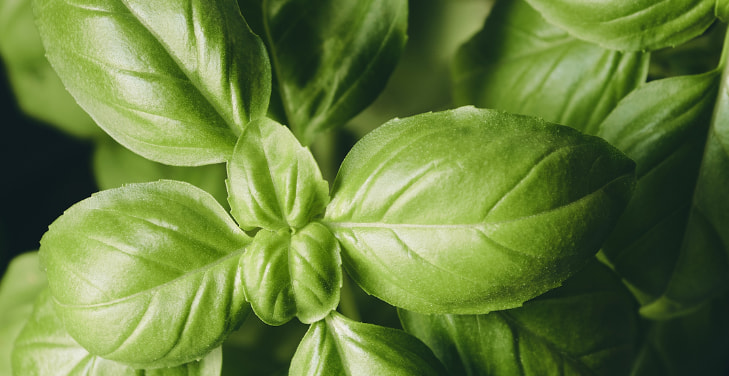
Basil leaves add a fragrant aroma to any Italian dish.
What Are Basil Leaves?
Basil, scientifically known as Ocimum basilicum, is a familiar and popular herb worldwide. It is known for its mild aroma and characteristic spicy flavor. From small gardens in the Mediterranean to large farms in Asia, this leaf is always an indispensable highlight in many cuisines and traditional medicine. The shape of the leaves is usually small to medium in size; the leaf surface is smooth or slightly rough, bright green or dark purple, depending on the variety.
Origin and cultural role
Basil is native to tropical Asia but has spread across continents. Many cultures honor it for its ability to balance flavor and heal. In Buddhism, basil also has deep spiritual meaning, while many Western families consider it a symbol of luck and protection.
Sensory and Flavor Characteristics
The aroma of basil leaves is sweet, with a slight pungency, creating a complex blend that is difficult to match with other herbs. The taste of the leaves ranges from mildly sweet to slightly bitter or spicy, adding depth to any dish or drink in which it appears.
Types of Basil Leaves
Basil leaves are incredibly diverse, with each variety possessing unique characteristics, from aroma to taste, creating a rich and multidimensional application in culinary and medicinal applications. This differentiation is reflected in color, leaf structure, and characteristic essential oils, making each type of basil a separate story, containing medicinal potential and unique flavors that researchers continue to explore.
Sweet Basil
This is the most common form, with bright green leaves and a gentle aroma mixed with a bit of sweetness. It is very suitable for Italian dishes such as pesto or caprese salad. Sweet basil brings a pleasant feeling and is the "soul" in many traditional recipes.
Thai Basil
With its spicy flavor and distinctive aroma of anise and mint, this variety is often found in Southeast Asian cuisine, especially curries and pho. Thai basil leaves are usually dark green, with a firmer stem and an unforgettable, rich aroma.
Holy Basil (Tulsi)
Considered a sacred herb in Ayurvedic medicine, Tulsi has a slightly bitter taste, a strong aroma, and extremely effective anti-inflammatory and immune-boosting properties. This type of basil is often used in traditional remedies to balance the body and mind.
Lemon Basil
With its characteristic freshness and light lemon scent, this variety creates a vibrant highlight for salads, drinks, or seafood dishes. It is both pure and stimulating to the taste buds.
Purple Basil
The vibrant, deep purple color highlights the kitchen space and dishes. Besides its eye-catching color, this variety has a mild spicy taste and complex aroma. It is often used as a decoration or processed into unique sauces.
Culinary Uses of Basil Leaves
Basil leaves play an important role in the global culinary world, acting as an indispensable ingredient, enriching flavors and elevating the dining experience. The diversity in the use of basil leaves creates a symphony of flavors, from famous traditional dishes to new creations, making it an invaluable ingredient for chefs and food lovers.
Italian Cuisine
The lush green basil leaves are the soul of dishes such as pesto, caprese salad, or traditional tomato sauce. They bring a fresh, rich, and slightly sweet taste, creating a perfect balance between ingredients.
Asian Cuisine
In Thai curries, Vietnamese pho, or other broths, basil shows its characteristic spicy flavor. It complements the aroma and enhances the taste, making each dish more vibrant and attractive.
Teas and Herbal Drinks
Fresh basil leaves are used to make herbal teas or as a flavoring ingredient in cocktails and juices, providing a refreshing and cleansing sensation.
Fresh and dried
Depending on the cooking purpose, fresh leaves are often added at the end to retain the flavor, while dried leaves develop their aromatic power when simmered for a long time, adding depth to the dish.
Health Benefits of Basil Leaves
Basil leaves are more than just a spice that adds a culinary symphony—they are a botanical treasure trove of valuable bio-compounds that provide significant benefits for physical and mental health. From traditional Indian medicine to modern medical research, basil has been. It continues to be explored as one of the herbs with great potential in preventing and supporting the treatment of many medical conditions.
Rich in antioxidants
Basil contains flavonoids, beta-carotene, and vitamin C – natural "shields" that help neutralize free radicals, slow down the aging process of cells, and protect the body from damage caused by oxidative stress.
Natural anti-inflammatory effects
Eugenol – the main aromatic compound in basil – has been shown to inhibit inflammatory enzymes, reduce pain, and support immune response regulation without causing side effects like NSAIDs.
Immune System Support
With its antibacterial, antiviral, and antifungal properties, basil acts as a biological barrier, helping the body prevent the invasion of pathogens in an increasingly polluted living environment.
Stabilize blood sugar
Tulsi—a sacred basil—has been noted in many studies for its effects on improving insulin sensitivity and helping to maintain stable blood sugar levels. This is especially beneficial for people at risk of prediabetes or those controlling the disease.
Benefits for skin and hair
When used as an essential oil or herbal mask, the essence of basil leaves can detoxify and cleanse the skin from the inside while supporting acne treatment, soothing irritated skin, and reducing dandruff.
How to Grow Basil Leaves at Home
Growing basil at home is more than just sowing seeds – it is a healing experience, a journey of connecting with the soil, the sun, and the breath of nature. When properly cared for, Basil leaves will grow lushly, give off a vibrant aroma, and become a pure green gift in the kitchen corner every morning. Cultivation does not require sophisticated techniques but meticulousness and a subtle sense of the plant's living environment.
Light and soil
Basil needs at least 6 hours of direct sunlight daily for effective photosynthesis. The ideal soil is loose, rich in nutrients, and well-drained but retains stable moisture.
Watering and care
Water evenly every early morning or cool afternoon to avoid waterlogging. When the plant reaches a height of about 15–20cm, pinch the tops regularly to stimulate branching, thereby obtaining more leaves and maintaining a neat plant shape.
Pots or gardens are both suitable
Whether grown in small pots on the balcony or in a large garden, basil grows well if placed in a well-ventilated area, protected from strong winds, and regularly fertilized with organic fertilizer.
Storage and Preservation Tips
Once picked, basil leaves have a fragile and sensitive flavor life. If not stored properly, the essential oils are volatile, the color fades quickly, and the aroma disappears like the last note in a symphony that has not yet been fully played. Therefore, keeping basil fresh and prolonging its life is an art that requires skill and scientific understanding.
Short-term fresh preservation
Place unwashed basil leaves in a glass of water like a flower arrangement, cover lightly with a plastic bag, and leave at room temperature. This way, the leaves will stay fresh for a few days without turning black, like when kept in the refrigerator.
Air-dry or freeze-dry
Dry in a cool place, away from direct sunlight, to retain the essential oils - or use a specialized dryer at a low temperature to preserve the biological active ingredients. Dried leaves should be stored in a sealed glass jar in a cool, dark place.
Freeze in olive oil
Pour fresh leaves into an ice cube tray and freeze. These little cubes are the perfect flavor addition to soups, sauces, or stews when basil is not in season.
Precautions and Possible Side Effects
Although a valuable herb with a wealth of uses documented for centuries, basil is a powerful biological entity—and like any natural remedy, it does not exist in a completely safe zone. Uncontrolled, prolonged, or inappropriate use can cause the body to react in unpredictable ways, especially when combined with modern drugs or in special physiological situations.
Effects on blood clotting
Certain compounds in basil, especially eugenol, can inhibit platelets. This means that taking them in high doses or in combination with anticoagulants can increase the risk of prolonged bleeding.
Effects on blood sugar
Tulsi and other forms of basil can cause mild to moderate blood sugar reduction – which is helpful for diabetics but carries the risk of excessive hypoglycemia if you are taking hypoglycemic drugs.
Caution in Pregnancy
Some ancient texts suggest basil essential oil may be a mild uterine stimulant. Although evidence is limited, high doses of basil during pregnancy should be considered carefully and under the guidance of a healthcare professional.
Conclusion
Basil is more than just a spice that brightens up a dish—it is a symbol of the intersection between cuisine, traditional medicine, and modern science. Each leaf has a complex biological structure and contains active ingredients that can improve health and prevent disease.
From the kitchen to the clinic, from the small potted plant on the window to clinical research, basil has proven its place in a healthy and sustainable lifestyle.
Whether used as a food or as a supportive treatment, understanding the properties and limitations of this herb is the key to fully reaping its benefits.
Frequently Asked Questions (FAQs)
- Can basil leaves be eaten raw? - Yes. Fresh basil leaves eaten raw retain their essential oils and nutrients and are often used in salads, wraps, or garnishes. They help stimulate the taste buds and naturally aid digestion.
- Can basil be used every day? - It can be used daily in reasonable amounts. However, long-term abuse can cause mild blood clotting disorders or affect blood sugar, especially in people taking chronic medications.
- What is the difference between basil and Thai basil? - Thai basil has a spicy aroma, a licorice-like taste, and thicker leaves. It is often used in Asian dishes. Western sweet basil is mild and often present in Mediterranean cuisine.
- Does basil help detoxify? - Basil leaves contain antioxidants and antibacterials, which support the liver's effective function and thereby promote the natural elimination of toxins in the body through the excretory system and skin.
- Should you drink basil tea when you have a cold? - Yes. Warm basil tea soothes the throat, aids breathing, has mild antibacterial properties, and stimulates the immune system to function more effectively during a weakened state.
