
Acerola Cherry, also known as Barbados Cherry, is one of the richest natural sources of vitamin C, surpassing oranges and lemons. This small fruit contains a powerful combination of antioxidants, flavonoids, and carotenoids, providing outstanding benefits for the immune system, skin, and heart health. With its unique sour taste and incredible nutritional value, Acerola Cherry is an ideal choice for a healthy diet. However, to maximize the benefits, it is necessary to understand how to choose, prepare, and use it most effectively.
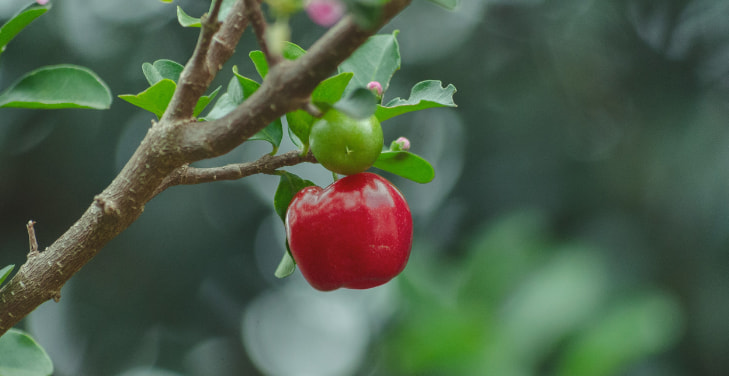
Acerola Cherry is a nutrient-rich superfruit packed with vitamin C, boosting immunity, enhancing skin health, and supporting overall vitality.
What Is Acerola Cherry?
Acerola cherry, also known as Barbados Cherry, Guarani cherry, and Wild Crepe Myrtle, is an exotic fruit of tropical origin with an enriched nutritional profile that has gained increasing interest among scientists and manufacturers worldwide. It is one of the richest natural sources of Vitamin C and contains a wide range of phytonutrients like carotenoids, flavonoids, and anthocyanins. It has a strong antioxidant capacity with several biofunctional properties including multidrug resistance reversal activity.
The evergreen shrub-like tree thrives in warm and tropical climates and bears small trilobite cherries that are orange to red on ripening. It is widely cultivated in South Texas, Mexico, Central America, semi-northern South America, Brazil, and Caribbean islands for its high Vitamin C content and reported health benefits.
Raw fruits have a short shelf life and low sensorial appeal and hence are usually consumed processed into juices, puree, or supplements. They have a good nutritional value and have a high level of bioavailability. They are rich in Vitamins C and B6, A, and E, along with minerals, trace elements, and phenolic compounds. These nutrients synergize with Vitamin C, enhancing its absorption and bioactivity. They also have astringent properties similar to witch hazel, which could make them useful in aiding digestion and treating skin blemishes.
Nutrition Facts of Acerola Cherry
Nutrition facts for 100 grams (3.5 ounces) of Acerola Cherry include:
- Calories: 32
- Sodium: 7 mg
- Potassium: 146 mg - 4% of the Daily Value (DV)
- Carbohydrates: 8 g - 2% of the DV
- Fiber: 1.1 g - 4% of the DV
- Protein: 0.4 g
- Vitamin C: 2796% of the DV
- Iron: 1% of the DV
- Calcium: 1% of the DV
- Magnesium: 4% of the DV
Vitamins and Minerals
Acerola cherries contain a variety of vitamins and minerals. Vitamin C is the most well-known, commonly used to help prevent or treat colds and flu. It's also an antioxidant nutrient that can help fight free radical damage in the body.
The fruit is rich in phenolic compounds, including benzoic acid derivatives, phenylpropanoids, flavonoids, and anthocyanins, which have many health-promoting properties. The plant is also a provitamin A (beta-carotene) source, which the body can convert to vitamin A. The plant is also a good source of organic acids, including malic and citric acid.
Research on the plant shows that acerola cherries can have anti-inflammatory and antioxidant activities. In particular, it has been shown to protect the liver from oxidative damage and inhibit cell growth in colon cancer.
Acerola cherry may have other beneficial effects, but further research is needed. In addition to being a powerful antioxidant, acerola cherries may aid digestion and act as an astringent. They also contain pectin, a resistant fiber fermented by beneficial bacteria in the large intestine to produce prebiotics. This can encourage the growth of healthy gut microbes and improve immune function. In addition, acerola cherries are high in vitamin A and are rich in other nutrients like iron, phosphorous, and calcium. They can also be a good source of potassium.
Health Benefits of Acerola Cherry
Acerola cherry is a fruit-bearing shrub or small tree native to Central America and South America. It is renowned for its exceptionally high Vitamin C content, which boosts immune function and promotes healthy hair, nails, and skin. It is also packed with phytonutrients and a rich source of antioxidants.
Besides its potent Vitamin C content, this superfruit contains essential vitamins and minerals such as B vitamins, A vitamin, calcium, potassium, copper, iron, folic acid, and anthocyanins. Acerola cherries have been credited with anticancer properties too. This is due to tetranorditerpenoids (acerolanin A, B, and C) with rare 2H-benz[e]inden-2-one substructures that have been shown to reduce the viability of breast cancer cells and inhibit tumor growth.
Vitamin C is a natural antioxidant that scavenges the body's free radicals, protecting cells against oxidative damage. Moreover, it has blood glucose balancing, antimicrobial and liver protective effects. It is also known to aid in the healing of wounds and to increase athletic endurance. Since fresh acerola cherries are perishable, they are often made into juice or dried and used as a supplement. However, the best option for acquiring this nutrient is to buy organic freeze-dried acerola powder, which preserves its natural goodness. Moreover, it is much more economical than buying fresh acerola cherries. Additionally, it is easier to absorb the supplements in this form than when chewing raw berries.
Side Effects of Acerola Cherry
Acerola Cherry is a superfood rich in vitamin C, but excessive consumption can cause unwanted reactions. Here are some side effects of consuming this fruit without control.
Digestive Disorders and Stomach Pain
The extremely high vitamin C content in Acerola Cherry can irritate the stomach lining, causing abdominal pain, diarrhea, nausea, and bloating. Excess ascorbic acid can also increase the risk of stomach ulcers for people with a history of this condition.
Kidney Stones and Kidney Burden
The absorption of large amounts of vitamin C from Acerola Cherry increases the excretion of oxalate in the urine, thereby facilitating the formation of kidney stones. People with a history of kidney stones should be especially careful when using it.
Allergic Reactions and Hypersensitivity
Some people may experience an allergic reaction to Acerola Cherry, including rash, itching, facial swelling, or difficulty breathing. Severe cases may result in anaphylactic shock, requiring immediate medical attention.
Effects on Iron Metabolism
The high vitamin C content in Acerola Cherry promotes iron absorption, which can cause excess iron in the body. For people with hemochromatosis, this can cause damage to the liver, heart, and other organs.
Although Acerola Cherry has many benefits, overuse can lead to unintended consequences. Always consider the appropriate dosage to maximize the benefits without harming your health.
Discover the hidden dangers of Acerola Cherry and why excessive intake may cause more than just vitamin‑C overload.
Tips for Choosing Acerola Cherries
Acerola cherries are a rich source of vitamin C, but to get the most out of their nutritional value, choosing the right fruit is important. Here are some tips to help you find high-quality Acerola cherries that are guaranteed fresh and provide optimal health benefits.
Choose Fresh Fruits with Deep Color
Ripe Acerola cherries are bright red or orange-red, indicating the highest vitamin C content. Pale or green fruits have not reached optimal ripeness, significantly reducing their nutritional value.
Check for Skin Firmness and Texture
Quality Acerola cherries typically have plump, wrinkled skin that is not wrinkled or has dark spots. Soft, mushy fruits may be overripe, prone to fermentation, and lose many valuable nutrients.
Prioritize Organic and Preservative-Free
Organic Acerola cherries reduce the risk of harmful chemicals, retaining the maximum natural nutrients. Choose products with organic certification to ensure health safety.
Choose a Reliable Powder or Pill
If using Acerola Cherry in powder or pill form, choose a product with a clear origin, pure ingredients, and no artificial impurities for optimal effectiveness.
Choosing Acerola Cherry properly helps you enjoy the full nutritional benefits without reducing the quality of your health.
Tips for Preparing Acerola Cherries
Acerola cherries are a rich source of nutrients, but how they are prepared directly affects this fruit's vitamin and mineral value. You need to apply appropriate processing methods to preserve the health benefits and enhance the flavor.
Wash to Remove Impurities
Before use, soak Acerola cherries in salt water or a diluted vinegar solution to remove bacteria and residual pesticides. Wash gently to avoid breaking the skin and losing precious juice.
Use Whole Fruit to Preserve All the Nutrients
Fresh Acerola cherries should be used whole or pureed instead of juiced because the skin and pulp contain a lot of fiber and antioxidants that benefit health.
Store Properly to Limit Vitamin Loss
Acerola cherries are perishable, so store them in the refrigerator at 2-4°C to maintain maximum freshness for 2-3 days. If you want to use it for a long time, you can freeze it immediately after washing it to preserve the nutrients.
Combine with suitable ingredients
Acerola Cherry has a slightly sour taste, which is ideal when combined with honey, banana, or yogurt to balance the flavor and increase the nutritional value. Avoid eating foods rich in calcium immediately to avoid reducing vitamin C absorption.
Preparing Acerola Cherry properly helps you enjoy the full health benefits while preserving this fruit's natural flavor and essence.
Tips on Including Acerola Cherry in Meal
Acerola cherries are a staple for many Puerto Rican families because of their incredibly high vitamin C content. They are often consumed fresh, dried, and made into juice. They are also a popular supplement due to their rich antioxidant profile and ability to boost the immune system.
The fruit has a sweet, fragrant flavor and contains vitamin C, a water-soluble nutrient required for human health. The acerola cherry is one of the richest sources of natural vitamin C, containing up to four times more than oranges. This vitamin is essential for healthy skin, tissue repair, and immune function.
These small berries are easy to add to any meal and make a great snack or addition to a smoothie. They are available fresh in markets in Latin America and can be found frozen in the freezer section of Latin supermarkets. The berries can also be canned for longer storage.
Canned acerola cherries can be used to make a fruit cocktail or mixed into yogurt or oatmeal for an added vitamin kick. It is important to store acerola cherries in a cool, dark place and keep them away from light and moisture.
Fresh acerola cherries have a short shelf life and are typically harvested within five days of harvesting, making them highly perishable. They are most commonly enjoyed fresh but can also be purchased frozen or dried and ground into a powder to supplement.
